
Lieferung heute & morgen

Qualitätsgarantie

Willkommens-Angebote freischalten: KOSTENLOSE Lieferung | Bis zu 80 % RABATT | Kostenlose 30-Tage-JoyPlus-Testphase
App herunterladen
A clay face mask can be a useful addition to your weekly skincare routine if your skin feels oily, shiny or congested. However, clay masks, mineral mud masks, charcoal masks and creamy treatment masks can vary significantly in their ingredients, how you use them and how they feel on your skin.
If you focus only on claims such as ‘detox’, ‘refines pores’ or ‘deep cleansing’, it’s easy to overlook important details. Three common buying mistakes are worth avoiding:
Kaolin is a commonly used clay with a relatively fine texture. Bentonite and other mineral clays are also used in formulas for oily or blemish-prone skin. A mineral mud mask, by contrast, typically contains natural mineral-rich earth or loess. Charcoal masks contain Charcoal Powder, either as an additional ingredient or as an alternative.
However, the name alone doesn’t tell you how a product will feel on your skin. Check:
A deep-cleansing face mask shouldn’t automatically be used alongside an exfoliator. If it also contains abrasive particles or acids, it’s best to use it sparingly.
The recommended leave-on time for the products featured here is often between 5 and 15 minutes. This isn’t a blanket rule for every clay mask. Follow the instructions on the packaging, and don’t leave a clay mask on for longer just because it hasn’t dried completely.
A simple routine to follow:
If you have sensitive or reactive skin, it’s a good idea to do a patch test on a small area before using the mask for the first time. Stop using it if you experience burning, itching, swelling or persistent redness.
Tubs are practical if you use a mask regularly, but you’ll need clean hands or a spatula. Mask sticks are easy to apply directly and use sparingly, making them handy for travel. Individually wrapped sheet masks are hygienically portioned, but create more packaging per use.
Recommendations such as ‘once or twice a week’ or ‘two to three times a week’ come from the product information for each mask. Using a mask more often isn’t necessarily better. If you’re choosing a face mask for oily skin, also pay attention to whether your skin feels uncomfortably tight after rinsing.
The selection below groups products by practical needs. The features described are based on the available product information and listed ingredients. Claims such as ‘refines pores’, ‘soothing’ or ‘detox’ should be understood as cosmetic product positioning, not medical effects.
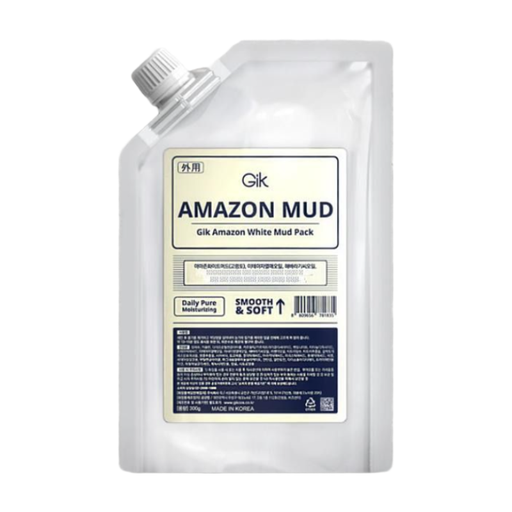
Why it suits this profile: The generous 300-g size is ideal if you’d like to make a rinse-off clay mask a regular part of your skincare routine.
According to the product description, the creamy texture applies without a pronounced ‘cracking’ sensation. Even so, don’t leave the mask on for longer than the recommended time.
Kaolin and bentonite are listed as ingredients; use is recommended once or twice a week.
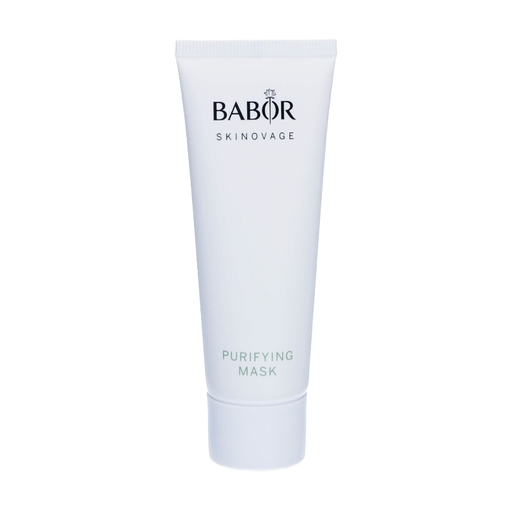
Why it suits this profile: The clearly specified application layer of 1 to 2 mm and precise leave-on time make it easier to use the mask in a controlled way.
The product information specifically advises against use on irritated or damaged skin and notes that the formula contains salicylic acid.
The listed INCI ingredients include kaolin, panthenol, glycerin and salicylic acid; use is intended once or twice a week.
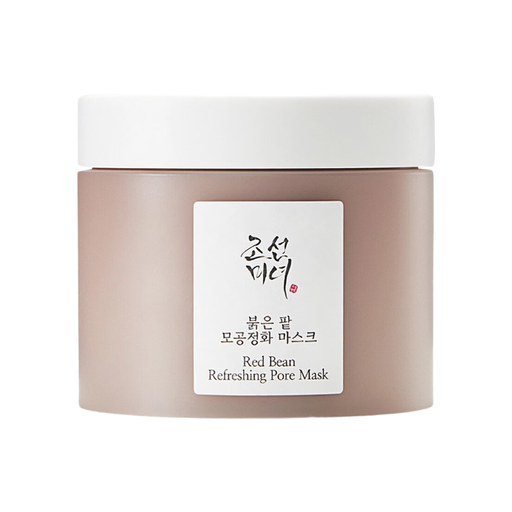
Why it suits this profile: This Korean face mask combines kaolin with red bean powder and is designed for a short application of 5 to 10 minutes.
The short leave-on time helps prevent you from leaving the mask on to dry for too long out of habit. Massage gently when rinsing it off.
The listed ingredients include kaolin, glycerin, red bean extract and red bean powder; the pack contains 140 ml.
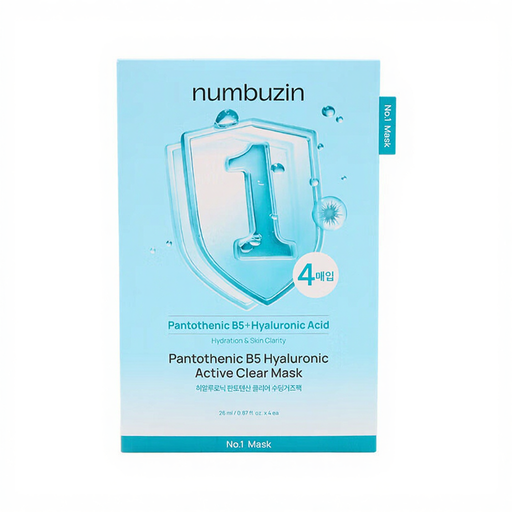
Why it suits this profile: This handy four-pack is individually portioned for anyone who prefers a hydration-focused sheet mask after cleansing.
As a sheet mask, it doesn’t dry on your skin like a traditional clay mask. The individual sachets also mean you don’t have to keep opening and closing a tub.
According to the product description, it contains pantothenic acid and hyaluronic acid; use is recommended once or twice a week.
We’ve put together a complete, regularly updated list of products that meet these strict selection criteria and fully comply with the safety regulations in force in the EU.
Many products recommend using a mask once or twice a week. Some suggest two to three applications. Always follow the packaging instructions and pay attention to how your skin responds. If your skin feels tight or dry, use the mask less often.
Many products recommend a leave-on time of between 5 and 15 minutes. Leaving a mask on for longer won’t necessarily cleanse your pores more effectively. Remove it according to the manufacturer’s instructions, particularly if it contains added acids, exfoliating particles or fragrance.
Not necessarily. Oily skin can also be sensitive or dehydrated. Check the INCI list, avoid using a mask on irritated skin and patch test new products. If you have recurring or severe skin problems, seeking advice from a dermatologist may be helpful.