
Lieferung heute & morgen

Qualitätsgarantie

Willkommens-Angebote freischalten: KOSTENLOSE Lieferung | Bis zu 80 % RABATT | Kostenlose 30-Tage-JoyPlus-Testphase
App herunterladen
A clay face mask can complement your weekly skincare routine if your skin is prone to excess oil, congested-looking pores or blackheads. However, face masks containing clay can vary considerably in their ingredients, recommended leave-on time and how they should be used. If you focus only on claims such as “detox”, “refines pores” or “deep cleansing”, you could easily end up with a product that doesn’t suit your skin.
The points below will help you assess marketing claims and choose a face mask for blemish-prone skin, a soothing treatment or a suitable face mask for oily skin.
A tight or cracked feeling on your skin is not reliable proof of a deeper cleanse. Clays such as kaolin or bentonite can absorb excess oil. However, if a mask dries out too much or is left on for too long, your skin may feel uncomfortably dry. If your skin is sensitive or prone to dryness, look for a short leave-on time and moisturising ingredients such as glycerin or panthenol.
An activated charcoal face mask often also contains clay, silica or mineral ingredients. This combination can absorb impurities and excess oil. However, it doesn’t replace daily cleansing or permanently change the actual size of your pores. Claims about “minimising pores” should therefore be understood as describing the appearance of your skin, not a lasting change to its structure.
A salicylic acid mask may also contain clay and charcoal powder. Salicylic acid is listed among the ingredients in The Ordinary Salicylic Acid 2% Masque. According to the product information, it should be left on for no longer than ten minutes and used once or twice a week. If you also use other exfoliants, retinoids or heavily fragranced products, avoid overloading your routine. If you have sensitive skin, it’s a good idea to test the product on a small area of skin before using it for the first time.
Use a face mask for pore cleansing according to the instructions on the packaging. Examples from our selection:
Leaving a mask on for longer is no substitute for choosing the right formula. After rinsing it off, a simple moisturiser can help restore your skin’s comfort.
Jars containing 140 to 300 grams are suitable for regular use, but you’ll need to handle them hygienically and keep the lid tightly closed. A stick format can make it easier to control how much you use and is handy for travel. Single-use sachets or modelling masks reduce how long the mixed product needs to be stored, but create more packaging waste.
Also check:
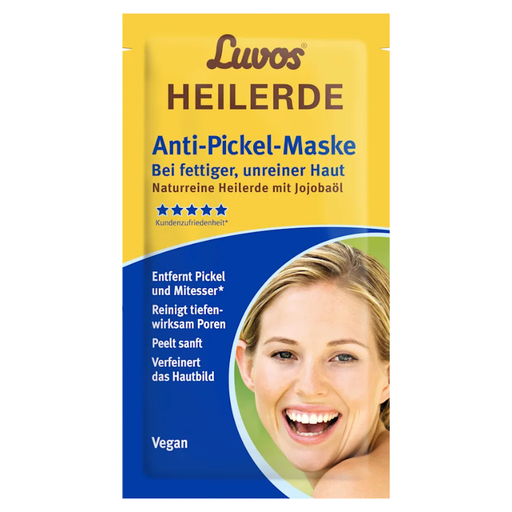
Why this product suits this profile: The formula combines natural healing earth with jojoba oil, and is described as vegan skincare with no parabens, paraffins or mineral oils. It’s a straightforward option for anyone looking for a mask to use regularly.
Jojoba oil complements the clay, so the product isn’t chosen solely for a finish that can leave skin feeling very dry. The product description also mentions a gentle exfoliating ingredient.
Described as vegan; contains healing earth and jojoba oil; suitable for the face and body.
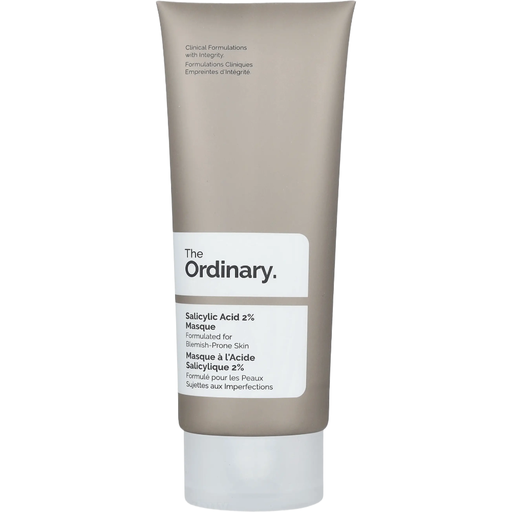
Why this product suits this profile: The combination of kaolin, charcoal powder, squalane, glycerin and 2% salicylic acid will appeal to buyers who like to choose products based on familiar ingredients in the INCI list.
The instructions set clear limits: leave on for no more than ten minutes, use once or twice a week, and don’t apply to sensitive, flaky or damaged skin.
2% salicylic acid, plus kaolin and Charcoal Powder; described as a vegan, cruelty-free formula.
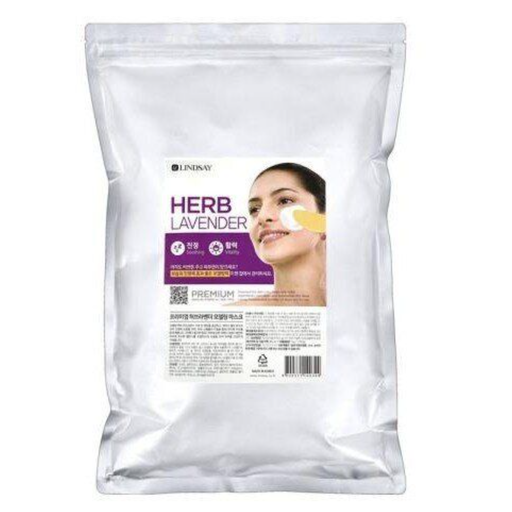
Why this product suits this profile: The generous 1-kg size is designed for people who use modelling masks regularly and want to incorporate mixing the powder with water into their skincare routine.
The powder is mixed with cold water just before use, so there’s no need to store an opened, damp mask.
Alginate and diatomaceous earth; with lavender leaf powder and a stated leave-on time of around 15 minutes.
We’ve put together a complete, regularly updated list of products that meet these strict selection criteria and fully comply with the safety regulations in force in the EU.
If you’re using a peel-off mask, peel it off slowly without pulling hard. A modelling mask, on the other hand, is removed in one piece. Stop using the product if you experience burning, redness, swelling or itching. If symptoms persist, seek medical advice.
Depending on the formula, usually once or twice a week. If a mask contains salicylic acid or an additional exfoliant, follow the manufacturer’s instructions. Oily skin doesn’t automatically need daily treatment.
Clay, charcoal and certain acids can help remove excess oil and surface build-up. However, a face mask for blackheads won’t necessarily clear every blocked pore for good. Don’t squeeze blackheads or follow up with aggressive treatments, as this can irritate your skin.
It depends on the full formula. Fragrances, alcohol, acids and essential oils can be problematic for some people. As a sensible precaution, patch-test the product, leave it on for a short time and only apply it to unbroken skin.