
Lieferung heute & morgen

Qualitätsgarantie

Willkommens-Angebote freischalten: KOSTENLOSE Lieferung | Bis zu 80 % RABATT | Kostenlose 30-Tage-JoyPlus-Testphase
App herunterladen
A clay face mask can be part of a straightforward skincare routine when your skin type, the ingredients and the application time are a good match. However, many products are marketed with terms such as “detox”, “refines pores” or “anti-ageing”. On their own, these descriptions say little about the actual formulation or how the product should be used.
If you are looking for a face mask for blemish-prone skin, a face mask for oily skin or a moisturising clay mask, you should therefore look beyond the packaging colour and marketing claims. The type of clay, additional active ingredients, texture and recommended frequency of use are what really matter.
A strongly drying mask may initially feel particularly thorough. However, it can be uncomfortable on dry or sensitive skin. Kaolin, bentonite, mud and volcanic minerals all have different properties. Alcohol, fragrances, essential oils and physical exfoliating particles can also affect how well a product is tolerated.
A face mask for pore cleansing therefore does not necessarily need to become completely hard and cracked. A creamy texture that can be rinsed off after a short time may be more practical for regular use.
Combination, oily and dry skin do not always need the same type of care. With a face mask for dry skin, for example, glycerine, squalane, panthenol, ceramides and hyaluronic acid are useful points of reference. For a face mask for excess sebum, kaolin, bentonite, activated charcoal and Rhassoul clay may be worth considering.
The complete INCI list on the product packaging remains the key reference, as formulations can change.
A 200 to 300 g quantity may initially seem appealing. With a mask that should only be used once or twice a week, you also need to consider how long it will be open. The lid should close securely, and the product should be stored somewhere cool and protected from direct sunlight. For travel or occasional use, a stick or sachet may be more practical.
A face mask for blackheads removes visible residue from the skin’s surface, but does not replace medical treatment for acne or inflammatory skin changes.
Salicylic acid and niacinamide may be useful ingredients for oily or blemish-prone skin. However, salicylic acid can pose a patch-test risk for sensitive skin. Moisturising formulations often contain glycerine, hyaluronic acid, panthenol or squalane. Ceramides, honey and propolis extracts are frequently used in nourishing masks.
If you are sensitive to fragrance, it is worth checking for “Fragrance” as well as fragrance ingredients that must be declared. If you have allergies, you should check individual tolerability in advance.
Most of the products featured are wash-off cleansing masks. Typical application times range from three to 15 minutes. Leaving a mask on for longer does not automatically increase its benefits. Avoid the eye and lip area. After rinsing, you can apply a simple moisturiser.
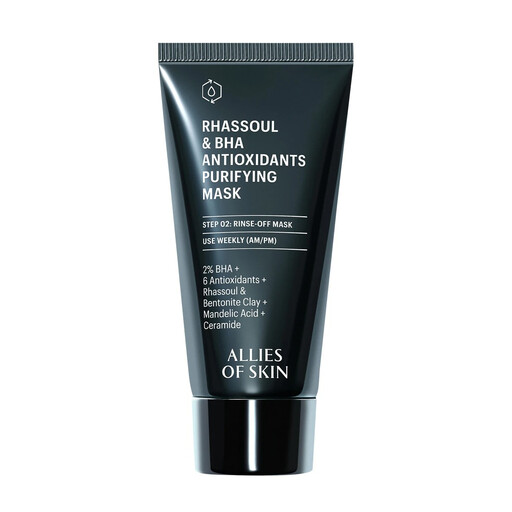
Why this product suits the profile: The formulation contains Rhassoul, bentonite, kaolin, salicylic acid, mandelic acid, panthenol and ceramides. It is aimed at shoppers who want to compare the INCI list carefully with their skincare plan.
The recommended use of once or twice a week helps prevent clay and acids from being used too frequently. The application time is stated as 10–15 minutes.
A combination of several types of clay with BHA, mandelic acid, ceramides and panthenol in a 50 ml pack.
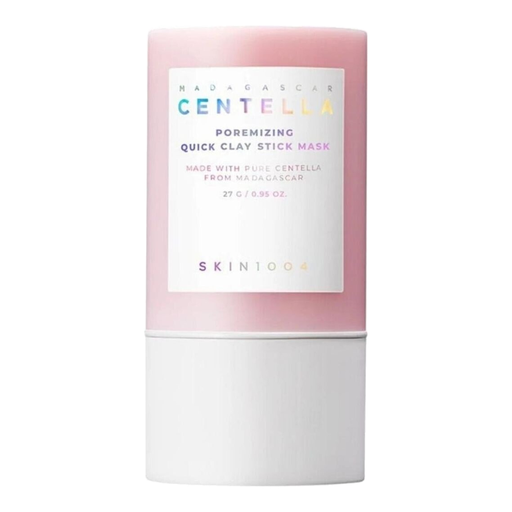
Why this product suits the profile: The stick format is ideal for travelling, smaller bathrooms or targeted application to the T-zone. The stated application time is just 3–5 minutes.
The solid packaging reduces spills and the need to measure out the product. The lid must be closed fully after each use to prevent the stick from drying out.
18% kaolin according to the product details, Centella asiatica extract and a compact stick format.
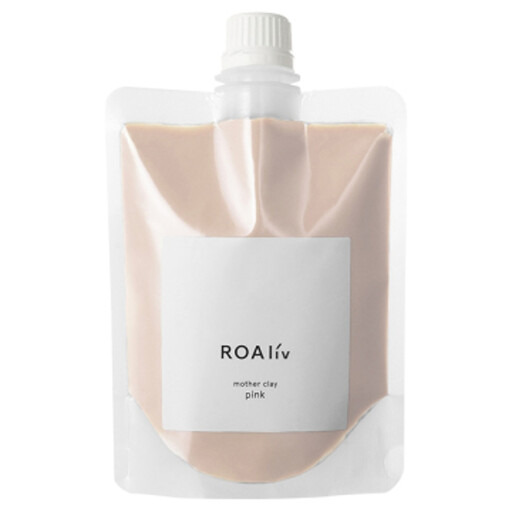
Why this product suits the profile: Kaolin and bentonite are combined with squalane, honey, propolis and royal jelly extracts. According to the product description, application takes around five minutes.
The choice is based not only on the clay, but also takes additional moisturisers and nourishing oils into account. Anyone allergic to bee products should take care.
240 g pack, kaolin and bentonite, plus squalane and other nourishing ingredients.
We have put together a complete, regularly updated list of products that fully meet these strict selection criteria and the safety regulations applicable in the EU.
If your skin is sensitive, irritated or damaged, pause use. Test new products on a small area of skin first. If you notice redness, stinging, swelling or itching, wash the product off and do not continue using it. If skin problems persist, seek advice from a dermatologist.
Depending on the formulation, once to three times a week is usual. Products containing salicylic acid, mandelic acid or exfoliating particles should be used particularly carefully and not automatically applied more often. Dry skin will generally benefit from longer intervals than very oily skin.
This depends on the packaging, preservatives and storage conditions. The printed best-before date, the period-after-opening symbol and the manufacturer’s instructions are the key references. Keeping the lid tightly closed and storing the product somewhere cool and dry can help prevent the texture from drying out.
Yes, provided the overall formulation is not designed solely to absorb large amounts of oil. For dry skin, creamy textures and additional ingredients such as glycerine, squalane, ceramides and panthenol are important selection criteria. If your skin feels tight, shorten the application time or use the mask less frequently.