
Lieferung heute & morgen

Qualitätsgarantie

Willkommens-Angebote freischalten: KOSTENLOSE Lieferung | Bis zu 80 % RABATT | Kostenlose 30-Tage-JoyPlus-Testphase
App herunterladen
A clay face mask can be a useful addition to your weekly skincare routine if excess sebum, a shiny skin feel or visibly congested pores are your main concerns. However, there is plenty of choice: clay masks, healing earth face masks, mud masks, detox face masks and charcoal face masks can differ considerably in their ingredients, application and how they feel on the skin.
A mask does not need to feel tight or become cracked to provide a cleansing effect. If a clay mask dries out completely, your skin may feel uncomfortably dry. This is particularly relevant for combination skin: applying the mask only to the T-zone, nose or chin and leaving more sensitive cheeks uncovered can be a better approach.
Terms such as pore-refining or clay mask for blackheads generally refer to the temporary appearance of the skin. Kaolin, bentonite and activated charcoal can bind excess skin oil and help the skin’s surface look clearer. This should not be taken to mean that pore size will be permanently changed.
A 300-g or 480-g container may appeal to frequent users. However, it is important to consider whether the mask will be used regularly, how long it remains suitable after opening and whether it can be removed hygienically. With powder products, you also need to factor in the time required to mix them.
Before buying, it is worth checking the full ingredients list. In addition to clay, products may contain fragrance, essential oils, alcohol, salicylic acid or plant extracts. If your skin is sensitive or reactive, test new products on a small area of skin first. Products containing salicylic acid should not be used on irritated, damaged or flaky skin.
The INCI list on the packaging is the authoritative source, as formulations can change. Claims such as “vegan”, “Ecocert” or “dermatologically tested” should also be verifiable directly on the product packaging or in the manufacturer’s information.
A face mask for pore cleansing is usually applied to cleansed skin. Follow the instructions for the specific product:
Many products are intended for use once or twice a week. Leaving a mask on for longer or using it more frequently does not automatically increase its benefits.
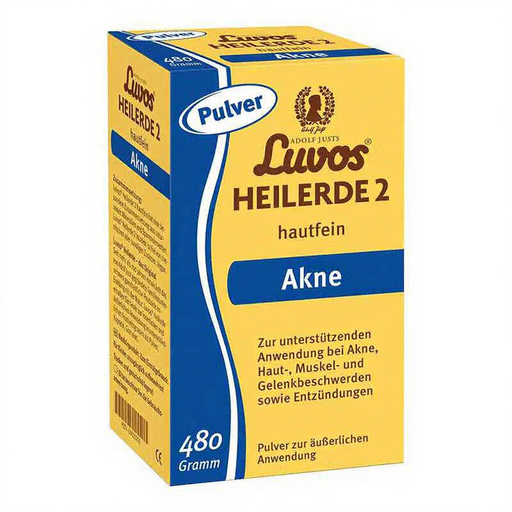
Why this product suits this profile: The powder format allows you to mix your own healing earth face mask to the consistency you prefer. The 480-g quantity is designed for regular use.
The simple ingredient information makes it easier to check what you are using. You can measure out the amount yourself instead of applying an unnecessarily thick ready-made layer.
100% healing earth according to the product information; vegan and intended as a powder for external cosmetic use.
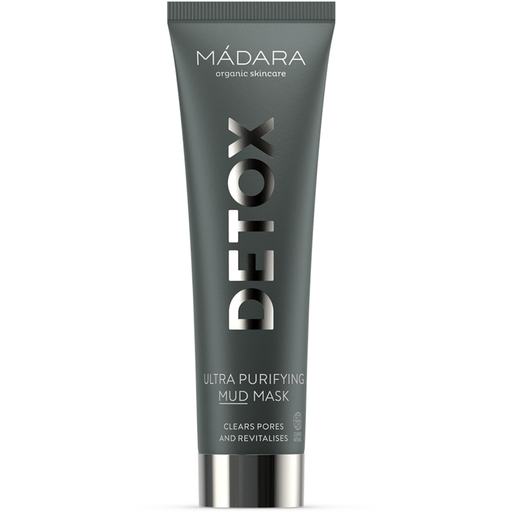
Why this product suits this profile: The tube makes application simple and mess-free. According to the product description, the mask is suitable for dry, oily and combination skin.
The stated leave-on time of 10 to 15 minutes helps prevent unnecessarily prolonged drying. The tube also reduces the remaining contents’ exposure to moisture.
According to the product information, vegan, Ecocert-certified and free from silicones, paraffins and parabens.
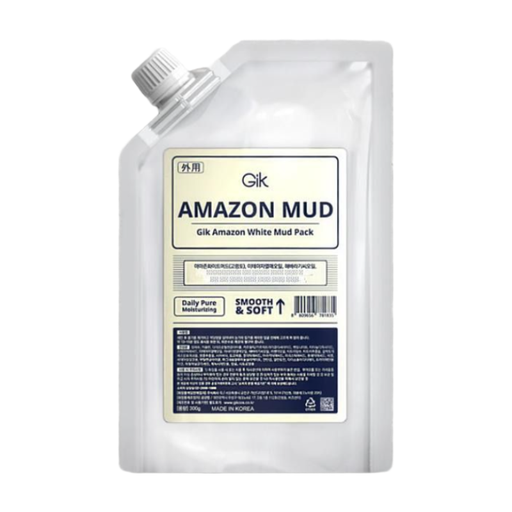
Why this product suits this profile: The 300-g tub is designed for regular use and is ideal if you prefer a ready-to-use clay mask rather than one that needs mixing.
The product description highlights a creamy texture without a strong cracking sensation. Even so, you should pay attention to the leave-on time and your skin’s reaction.
Kaolin and bentonite are included in the stated INCI list; according to the product information, recommended use is once or twice a week.
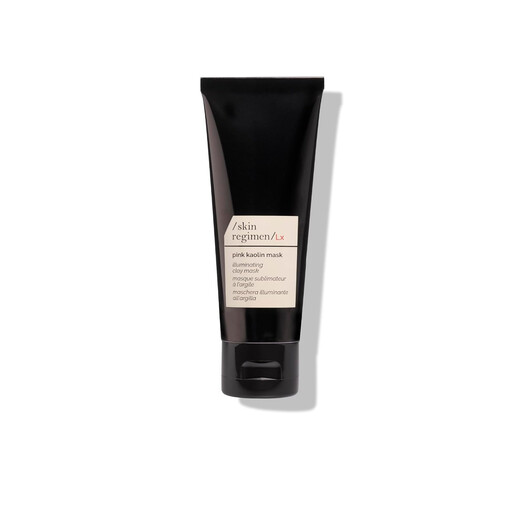
Why this product suits this profile: According to the product description, the creamy kaolin mask is suitable for all skin types, including sensitive skin, and is not intended to dry out completely.
The instructions specify a leave-on time of 10 to 15 minutes and recommend avoiding complete drying. This may be an important consideration when choosing a product for sensitive skin.
99.3% ingredients of natural origin according to the product information; creamy texture and recommended use once or twice a week.
We have put together a complete, regularly updated list of products that fully meet these strict selection criteria and the safety regulations applicable in the EU.
Many products are recommended for use once or twice a week. If you have dry or sensitive skin, leaving a longer gap between applications may be advisable. The specific guidance on the packaging and product page should always be followed. Stop using the product if you experience burning, persistent redness or itching.
Healing earth is often sold as a minimally processed powder that is mixed before use. Kaolin is a specific type of clay and is often used in ready-to-use masks. Both options may be suitable for oily or blemish-prone skin; however, the full formulation, leave-on time and your individual skin compatibility are what matter most.
Not necessarily. With some clay masks, allowing the product to dry slightly is part of the application process, but complete drying is not always intended. Follow the product instructions and remove the mask no later than the stated time. Applying a thinner layer or using the mask only on the T-zone may be more practical for combination skin.