
Lieferung heute & morgen

Qualitätsgarantie

Willkommens-Angebote freischalten: KOSTENLOSE Lieferung | Bis zu 80 % RABATT | Kostenlose 30-Tage-JoyPlus-Testphase
App herunterladen
A clay face mask can absorb excess sebum, cleanse the skin’s surface and refine how your skin feels after use. However, not every clay mask suits every skin type. A strongly mattifying face mask for pore cleansing can feel uncomfortably tight on dry or sensitive skin. Conversely, a very nourishing mask may not provide the sebum control you want if you have oily skin.
A strong feeling of tightness is not a reliable sign of better cleansing. Clays such as kaolin or bentonite bind oil and moisture at the surface. If a cleansing mask for the face becomes completely hard and cracked, it can feel drying for some skin types. What really matters are the leave-on time, the formulation and how well your skin tolerates it – not the maximum level of dryness.
Clay, mud, essential oils, fragrances, honey or plant extracts can be used effectively in a formula, but they are not automatically right for everyone. If you have sensitive skin, you should check the full list of ingredients and test new products on a small area of skin first.
A face mask for enlarged pores can remove sebum and surface impurities, which may make pores look less noticeable for a while. However, it won’t permanently change their size. Claims about firming, brightening or anti-ageing should therefore be understood as cosmetic care promises from the manufacturer, not as medical effects.
For oily and blemish-prone skin, kaolin or bentonite formulations are a logical choice. For dry skin, the mask should also contain glycerin, squalane, ceramides or plant oils.
A hydrating face mask should not only cleanse but also contain ingredients that balance how your skin feels after rinsing. Glycerin, hyaluronic acid, squalane, ceramides and certain plant oils are relevant entries to look for on the INCI list.
If you have sensitive skin, it is worth checking for denatured alcohol, perfume, essential oils and acids. This does not automatically mean a product is unsuitable, but if you know you are sensitive, you should pay particular attention to these ingredients.
A mask is usually applied to clean, dry skin, avoiding the eye and lip area. The leave-on time depends on the product instructions; recommendations are often between five and 15 minutes. Many products are designed for use once or twice a week, while some formulas can be used more frequently.
A stick format, such as a Korean clay mask, makes targeted application easier and can be more hygienic if you don’t dip your fingers into a pot. Large pots, on the other hand, offer more product for regular use, but need to be sealed carefully so the clay doesn’t dry out prematurely.
The following products differ in texture, ingredients, pack size and application. The classification is based on the available product information and does not replace individual dermatological advice.
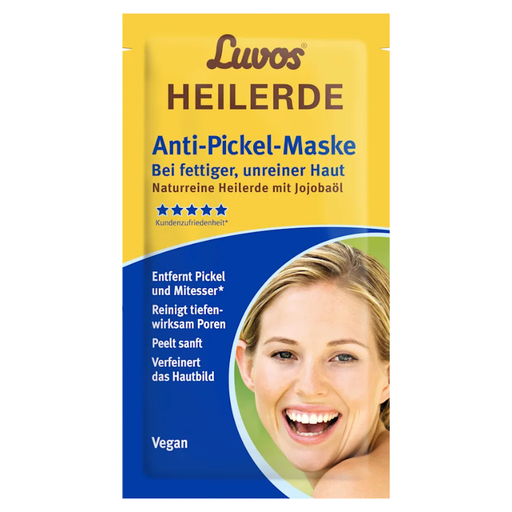
Why this product fits the profile: According to the product description, the combination of natural healing earth and jojoba oil is aimed at oily skin, linking cleansing with a nourishing component.
Jojoba oil complements the clay formulation, so it doesn’t rely solely on a strongly mattifying skin feel.
Vegan according to the product information; free from parabens, paraffins and mineral oils.
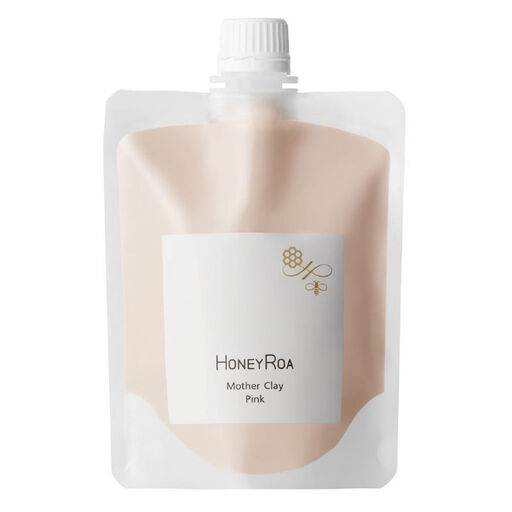
Why this product fits the profile: French red clay and Okinawa sea mud are combined with argan oil, ceramides, squalane and honey extracts.
Alongside clay and sea mud, the formula also includes moisture-binding and lipid-replenishing ingredients.
210 g content; according to the product information, intended for use two to three times a week.
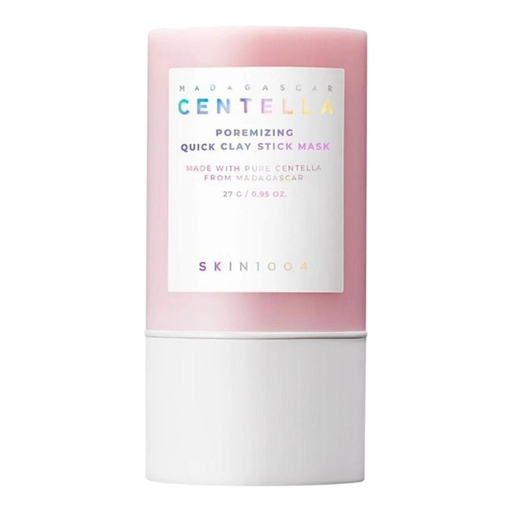
Why this product fits the profile: The stick format is ideal for targeted application, for example on the forehead, nose or chin. Kaolin, bentonite and centella asiatica are listed in the product description.
Zone application helps you treat areas that need more cleansing precisely, rather than covering dry cheeks entirely with clay.
27 g stick packaging; indicated for face and décolleté; kaolin at 8% according to the INCI listing.
Products containing salicylic acid, fragrances or plant extracts should be used with particular caution on sensitive skin. Do not apply a clay mask to irritated, damaged or sunburnt skin.
That depends on the formula and your skin type. Many products recommend using them once or twice a week. Richer formulations may be intended for use two to three times a week according to the product information. For dry or sensitive skin, a longer gap between applications is often more sensible than frequent use.
Yes, if the formulation contains moisturising or lipid-replenishing ingredients alongside the clay. Look for things like glycerin, ceramides, squalane or jojoba oil. A short leave-on time and subsequent moisturising can help reduce any feeling of tightness.
A face mask for blemishes can remove excess sebum and surface impurities. This can make your skin look clearer or smoother temporarily. However, you cannot infer a permanent change in pore size or treatment of acne from this. For persistent or inflammatory skin concerns, dermatological advice is recommended.