
Lieferung heute & morgen

Qualitätsgarantie

Willkommens-Angebote freischalten: KOSTENLOSE Lieferung | Bis zu 80 % RABATT | Kostenlose 30-Tage-JoyPlus-Testphase
App herunterladen
The search for an effective mask for blemishes can often feel like an endless cycle. The market is flooded with products promising quick fixes, but they frequently lead to disappointment or even worsen your skin's condition. As your Joybuy Product Recommendation Officer, I'm here to help you identify the most common purchasing traps and make an informed decision based on your skin's actual needs.
Before you invest in the next trending product, you should be aware of these common marketing promises and product shortcomings.
To avoid a bad buy, you should focus on objective and verifiable product features. Two parameters are of central importance.
An effective mask for blemish-prone skin balances clarifying components with soothing ones. Look for a well-thought-out formulation rather than a single, highly concentrated active ingredient.
The type of mask determines how the active ingredients are delivered to the skin and which skin condition it is best suited for.
Here are some product recommendations tailored to specific needs and skin types, which take the above criteria into account.
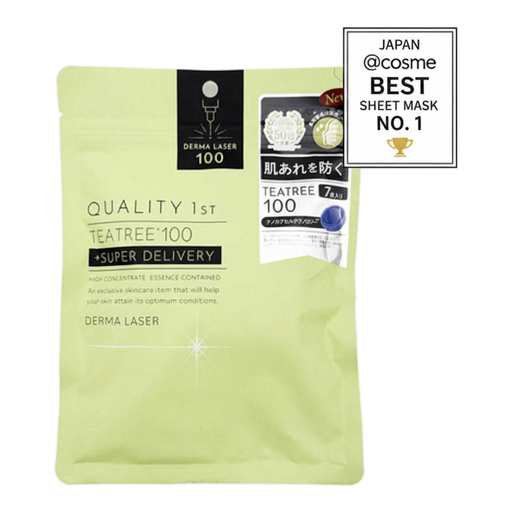
Why This Fits Their Persona: Ideal for those seeking a quick yet gentle solution. The sheet mask uses tea tree oil extract to soothe acute redness and irritation without stressing the skin—perfect for starting an acne care routine.
The formula is free of preservatives, alcohol, and fragrances, thus avoiding the trap of aggressive ingredients that could irritate sensitive skin.
The short 3-minute application time makes it extremely convenient. According to the manufacturer, its nanocapsule technology enables rapid and deep delivery of active ingredients.
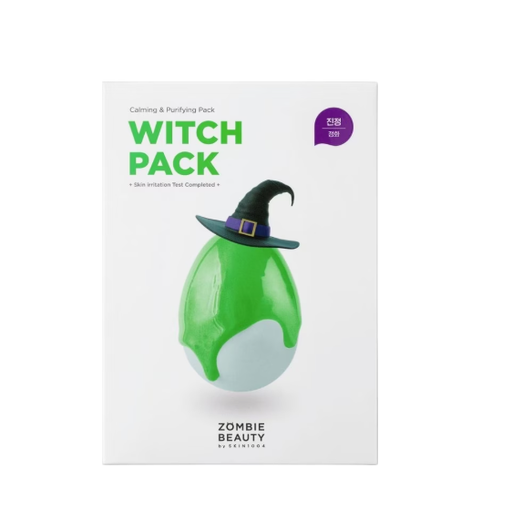
Why This Fits Their Persona: For anyone seeking an intensive, yet non-drying treatment for acute pimples and heated skin. Its base of 71% green tea water provides intense cooling and soothing.
Unlike classic mud masks that crack and feel tight, this creamy formula remains moist and flexible. It avoids the trap of over-drying and protects the skin barrier.
The single-serving sachets are hygienic and practical for on-the-go use. The kit includes a brush for a clean and even application.
We have compiled a complete, up-to-date list of products that fully meet these strict selection criteria and all applicable safety regulations.
1. How often should you use a mask for blemishes? The frequency of use depends on the type of mask and your skin condition. For most clarifying clay or charcoal masks, applying it one to two times per week is sufficient. Overuse can throw your skin off balance. Soothing sheet masks can be used more often if needed. Always follow the manufacturer's recommendations.
2. Can a face mask for acne dry out the skin? Yes, this is possible, especially with masks high in clay, charcoal, or alcohol if they are used too often or for too long. To avoid this, choose products that also contain hydrating or soothing ingredients like glycerin, hyaluronic acid, panthenol, or Centella Asiatica. Remove the mask before it has completely dried and feels tight on the skin.
3. What is the difference between a sheet mask and a clay mask for blemish-prone skin? The main difference lies in their function. A clay mask is primarily for absorption and purification. It draws excess sebum and impurities from the pores, making it ideal for oily skin types. A sheet mask is primarily for ingredient delivery. It supplies the skin with a concentrated serum that can be soothing, hydrating, or clarifying without stripping its natural oils. It's a great choice for irritated, red, or dehydrated skin that is prone to blemishes.