
Lieferung heute & morgen

Qualitätsgarantie

Willkommens-Angebote freischalten: KOSTENLOSE Lieferung | Bis zu 80 % RABATT | Kostenlose 30-Tage-JoyPlus-Testphase
App herunterladen
The selection of protein bars on the market can be overwhelming. Whether for after a workout, as an on-the-go snack, or to supplement a specific diet, the right bar should be convenient and support your individual goals. This guide is here to help. It highlights the essential criteria to consider when choosing a protein bar and presents a selection of different products to make your decision easier.
To find the perfect protein bar for your needs, it's helpful to consider a few fundamental aspects. The following points provide an objective basis for your purchasing decision.
Protein content is a key feature. A high-protein bar can contain anywhere from 15 to over 50 grams of protein per 100 grams, depending on the product. The choice depends on your personal requirements. For muscle building, a bar with higher protein content can be beneficial after an intense workout.
The protein sources also vary:
Many people specifically look for a low-sugar protein bar. A glance at the nutrition label is crucial here. Pay attention to the "of which sugars" line. Some bars use sweeteners like maltitol or sucralose, known as sugar alcohols (polyols), instead. These have fewer calories than sugar but can have a laxative effect if consumed in excess, which manufacturers usually indicate. The total carbohydrate content is also relevant, especially for those following a low-carb diet.
The ingredient list provides a complete overview of all contents. Besides the protein source and sweeteners, you'll find fats, fibres, and any additives. This section is particularly important for those with allergies. Common allergens like milk, soy, gluten, peanuts, and other nuts must be clearly declared. A short, clean ingredient list can be an indicator of a less processed product.
Based on the criteria mentioned, we have compiled a selection of products that cater to different needs.
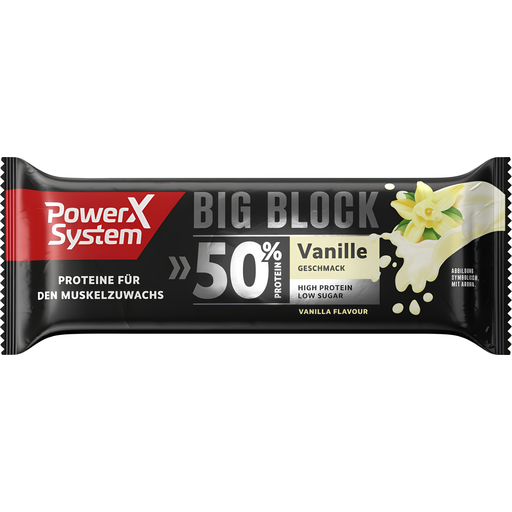
Why it stands out: This bar is distinguished by its exceptionally high protein content. With 50g of protein per 100g bar, it delivers a significant amount of protein.
Benefits:
Who is it for? This bar is aimed at athletes with very high protein requirements who are looking for a quick and concentrated protein boost after an intense training session.
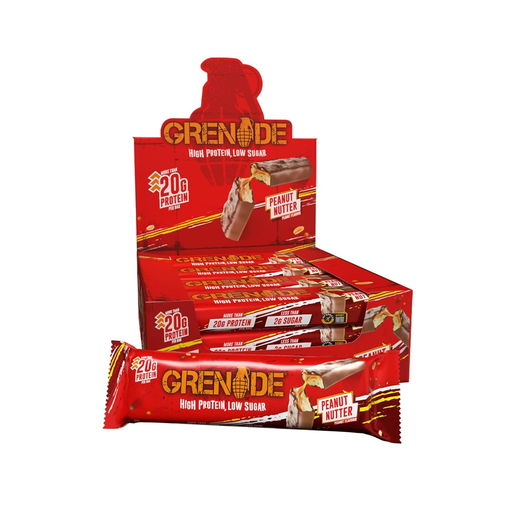
Why it stands out: The Grenade Carb Killa combines a multi-layered texture with peanut pieces and caramel, all while maintaining a low sugar content.
Benefits:
Who is it for? Ideal for fitness enthusiasts and health-conscious individuals looking for a flavourful, low-sugar fitness bar as a snack or a post-workout treat.
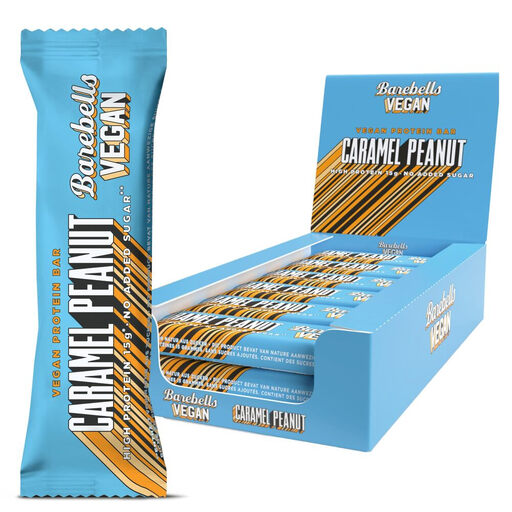
Why it stands out: This bar offers a purely plant-based protein source with no palm oil and no added sugar.
Benefits:
Who is it for? This vegan protein bar is the perfect choice for anyone following a plant-based diet or avoiding animal products, without sacrificing a protein-rich snack with a peanut-caramel flavour.
The products featured here cover only a small fraction of the available range. If you are looking for other flavours, brands, or specific nutritional profiles, you can find a wider selection in our category.
? Discover more high-protein snacks here
A protein bar can be used flexibly. Many athletes consume one within 30 to 60 minutes after a workout to support muscle recovery. However, it also works well as a high-protein snack between meals to curb cravings or as a convenient protein source on the go.
Proteins contribute to the growth and maintenance of muscle mass. A protein bar can be a convenient way to increase your daily protein intake, especially when combined with regular strength training and a balanced diet. It is a supplement, not a replacement for a protein-rich main meal.
Most protein bars are designed as snacks, not as complete meal replacements. They often lack the variety of vitamins, minerals, fibre, and complex carbohydrates that make up a balanced meal. They can serve as an occasional, short-term meal substitute in exceptional situations, but this should not become a regular habit.