
Lieferung heute & morgen

Qualitätsgarantie

Willkommens-Angebote freischalten: KOSTENLOSE Lieferung | Bis zu 80 % RABATT | Kostenlose 30-Tage-JoyPlus-Testphase
App herunterladen
A newborn's health and safety are the top priority. Since their immune system is still developing during the first few months of life, the hygienic preparation of baby food plays a crucial role. Thoroughly cleaning baby bottles and accessories is an essential part of the daily routine. This guide provides an overview of proven methods and helpful tools to make it easier for you to choose the right solution for your household.
The right cleaning method depends on individual needs, such as time constraints, household size, and personal preferences. Here are three key aspects to consider when making your choice.
Manual cleaning is the traditional method. It requires a good baby bottle cleaning brush to reach all interior surfaces, as well as a suitable baby bottle soap. This approach is budget-friendly and flexible, but it demands time and care to ensure all milk residue is completely removed.
Automated systems, such as an electric bottle steriliser or a fully automatic cleaning device, offer significant time savings and a standardised hygiene process. These appliances handle washing, sterilising baby bottles, and often drying in a single cycle. This is especially helpful in the daily lives of parents with multiples or those who go through a high volume of bottles.
Not all dish soaps are suitable for cleaning baby accessories. Look for products specifically developed for the needs of infants. Ideal features include:
A special soap for cleaning baby accessories effectively dissolves milk fat and purée residue without using harsh ingredients.
After cleaning, sterilisation is an important step to eliminate germs and bacteria. Common methods include:
Based on functionality and user-friendliness, we have curated a selection of products that cover different bottle-cleaning needs.
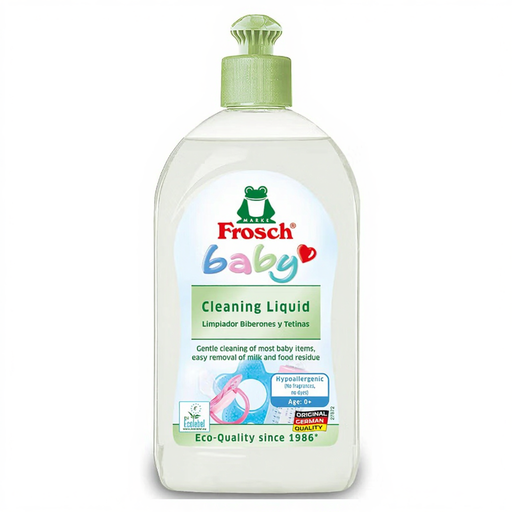
Why it stands out: This washing-up liquid was specifically designed for the safe cleaning of baby items. It powerfully removes milk, purée, and juice residue from baby bottles, nipples, teething rings, and washable toys.
Advantages:
Who is it for? For parents who prefer manual cleaning and place the highest value on skin compatibility and safety. Ideal for the daily, gentle cleaning of all baby accessories.
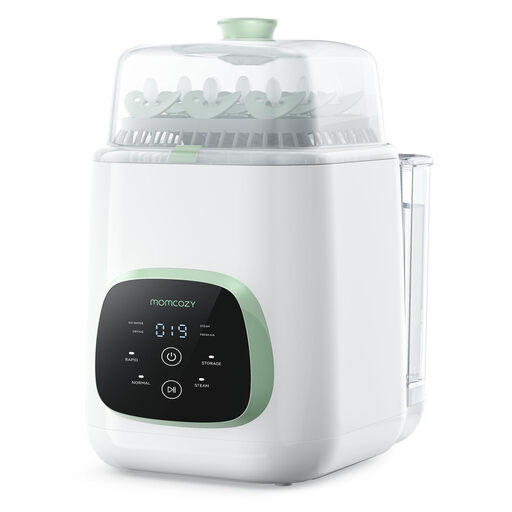
Why it stands out: This all-in-one device automates the entire process: it washes, steam-sterilises, and dries baby bottles and accessories. This results in significant time savings in the demanding daily life of a parent.
Advantages:
Who is it for? For busy parents looking for an efficient, reliable, and time-saving all-in-one solution. The device ensures a consistently high standard of hygiene with minimal effort and also makes a very practical gift for expectant parents.
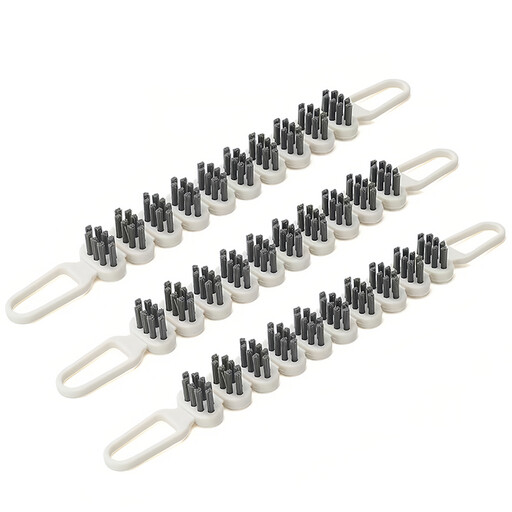
Why it stands out: This brush set is specially designed for cleaning hard-to-reach areas like bottle threads, nipple tips, and the grooves in lids, which are often missed by conventional brushes.
Advantages:
Who is it for? For parents who make no compromises on manual cleaning and want to ensure that even the smallest corners and threads are hygienically clean. A smart addition to any standard baby bottle cleaning brush.
If the products featured here don't exactly meet your needs, or if you'd like to get a broader overview, you can find an extensive selection of tools for the hygienic cleaning of baby and household items in our Cleaning & Washing category.
For newborns and infants in their first few months, daily sterilisation after cleaning is generally recommended. All bottles and nipples should always be sterilised before their very first use. As the child gets older and their immune system strengthens, the frequency of sterilisation can be reduced, though thorough cleaning should still be done after every feeding. For personalised advice, it's best to consult with your paediatrician or midwife.
Many plastic (BPA-free) and glass baby bottles are dishwasher-safe. Always check the manufacturer's instructions to be sure. Place the bottles and larger accessories on the top rack of the dishwasher and use a cycle with a temperature of at least 65°C (150°F). Small parts like nipples or valves should be secured in a closed-top basket to prevent them from getting lost in the machine. Manually pre-rinsing heavy milk residue can improve the final cleaning results.
A suitable soap for baby bottles will be explicitly labelled as such or will have specific characteristics. Look for terms like "hypoallergenic," "dermatologically tested," and confirmation that it is free from fragrances, dyes, and preservatives. A pH-neutral formula is gentle on your hands during washing, and the ability to be rinsed away without leaving residue is crucial for your baby's safety.