
Lieferung heute & morgen

Qualitätsgarantie

Willkommens-Angebote freischalten: KOSTENLOSE Lieferung | Bis zu 80 % RABATT | Kostenlose 30-Tage-JoyPlus-Testphase
App herunterladen
A reusable bottle is an essential accessory—at the office, the gym, or on the go. But over time, even the highest-quality bottle can develop buildup, bacteria, and unpleasant odors. The market for cleaning products is vast, but not every solution delivers on its promise. Before you invest in another product that ends up unused in a cupboard, you should know the most common pitfalls.
Many users buy brushes that are too short or too stiff to reach the bottom of the bottle, or whose hard bristles scratch sensitive inner surfaces. Others turn to aggressive chemical cleaners that can damage the bottle's material or leave behind harmful residues. A third pitfall is so-called "wonder gadgets" that only clean superficially, leaving germs in hard-to-reach areas like threads or seals. Effective cleaning requires the right tool for the specific bottle type and purpose.
To make an informed decision, you should consider three core parameters. These will help you separate the wheat from the chaff and find a solution that is hygienic, gentle on materials, and practical.
The choice of method depends on the type of grime and the bottle itself.
Not every cleaning product is suitable for every material. The wrong choice can shorten the lifespan of your reusable bottle.
The purpose of your bottle places specific demands on its cleaning.
Based on these criteria, we have identified products that provide a suitable solution for specific user profiles and their needs.
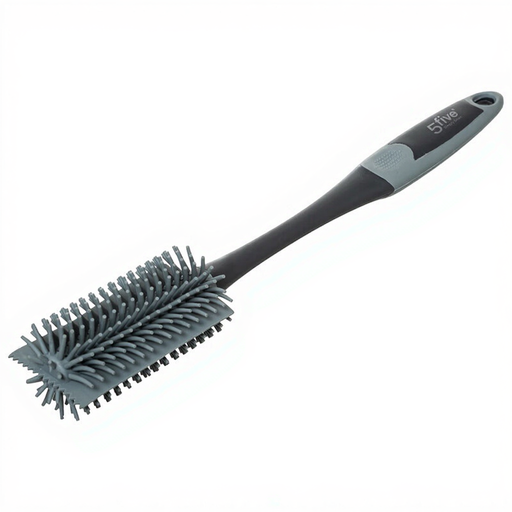
Why This Fits Their Persona: Ideal for the daily, straightforward cleaning of water bottles, thermoses, and glasses. A robust, durable tool that gets the job done without much fuss.
The soft yet sturdy rubber bristles clean effectively without scratching the inner surfaces of stainless steel or plastic bottles—a common problem with hard nylon brushes.
The slim, long design effortlessly reaches the bottom of tall containers. The rubber material is durable, hygienic, and dishwasher-safe.
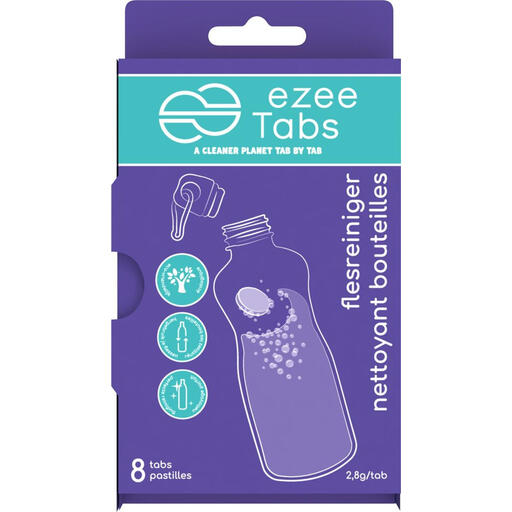
Why This Fits Their Persona: An effortless and eco-friendly solution for anyone who wants to avoid plastic packaging and harsh chemicals. Ideal for deep cleaning without scrubbing.
These tablets bypass the pitfall of aggressive cleaners. They are biodegradable, non-toxic, and free of microplastics, making them safe for your family and the environment.
Effectively removes residue and odors in places a brush can't reach. The compact, recyclable packaging is perfect for home and travel.
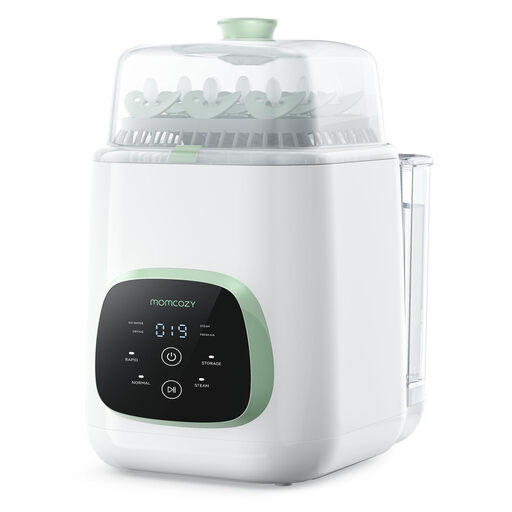
Why This Fits Their Persona: For parents who refuse to compromise on baby bottle hygiene while also wanting to save precious time. An all-in-one solution for maximum safety.
This device goes far beyond superficial cleaning. It automates the entire process—washing, steam sterilizing, and drying—eliminating the risk of human error and inadequate hygiene.
26 high-pressure water jets provide 360° cleaning. The standardized sterilization cycle offers a level of safety that is difficult to achieve manually.
We have compiled a complete, up-to-date list of products that fully meet these strict selection criteria and German safety regulations.
1. How often should you clean a reusable water bottle? For bottles filled only with water, a daily rinse with hot water and a thorough cleaning with a brush or tablet at least every few days is recommended. Bottles used for juices, shakes, or sweetened drinks should be cleaned immediately after each use to prevent bacterial growth and odor buildup.
2. Can I clean my Sodastream bottles in the dishwasher? Most Sodastream plastic bottles are not dishwasher-safe, as the high temperatures can damage the material. However, there are special dishwasher-safe glass or plastic carafes from Sodastream. Always check the manufacturer's instructions on the bottle. For non-dishwasher-safe models, cleaning with lukewarm water and cleaning tablets is a safe and effective method.
3. What helps against bad odors in protein shakers? The key is to rinse the shaker with cold water immediately after use, as warm water causes protein to coagulate and stick. For a deep clean, fill the shaker with water, add a cleaning tablet, and let it sit for 30 minutes. Alternatively, a mixture of water and a splash of vinegar can help neutralize odors. Rinse thoroughly afterward.