
Lieferung heute & morgen

Qualitätsgarantie

Willkommens-Angebote freischalten: KOSTENLOSE Lieferung | Bis zu 80 % RABATT | Kostenlose 30-Tage-JoyPlus-Testphase
App herunterladen
A cleaning brush needs to suit the job at hand. A narrow grout brush is designed for corners and gaps, whereas a scrubber with a long handle can reach larger floor areas. If you only focus on stiff bristles or a large number of brush heads, you could end up buying a product that is impractical for everyday use.
Hard bristles can shift stubborn dirt on robust surfaces. However, on delicate coatings, plastic, painted surfaces or certain fittings, they can cause scratches. A stainless steel brush is not automatically suitable for tiles, sanitary ceramics or glass.
Check before you buy:
A bathroom cleaning set with several attachments sounds versatile. But if it lacks a sufficiently long or adjustable handle, its use is limited to hard-to-reach spots. For floors, high tiled areas and shower walls, a cleaning brush with a long handle is often more practical than a small hand brush.
Concrete details on handle length, adjustment range and the stability of the connections are important. A long handle should not twist easily or collapse under pressure.
An electric cleaning brush can support the scrubbing motion with rotating brush heads. However, it does not replace the need to choose the right attachment, use the correct cleaning fluid, or manually work on tight grout lines. Pay attention to battery life, charging time, speed settings, weight and water protection.
For robust floors, garage areas or heavily soiled outdoor spaces, firm PP or nylon bristles can be a good choice. A brass brush is often less aggressive than stainless steel, but should still be tested on an inconspicuous area first. For fittings, delicate plastic surfaces or daily cleaning, softer nylon bristles are usually the gentler option.
A grout brush should be narrow enough to get into gaps. Brushes that are too wide tend to spread dirt across the surface. For limescale and dirt rings around taps, curved or flexible models are helpful.
For a scrubber, the key factors are:
A 45-degree angle can make it easier to guide the brush on the floor. A curved hand brush, on the other hand, is suitable for edges, skirting boards and narrow gaps.
For cordless models, you should not just judge the advertised runtime. The charging time and the actual features are also relevant. A model with eight attachments covers more areas but also requires extra storage space.
One example is the Leebein Electric Cleaning Brush with eight interchangeable brush heads, two speed settings, USB-C charging and an adjustable handle from 30 to 137 cm. According to the product description, the runtime is up to 90 minutes, and the charging time is approximately three hours. The IPX7 rating describes protection against temporary immersion under specified test conditions. However, the device should not be operated underwater continuously.
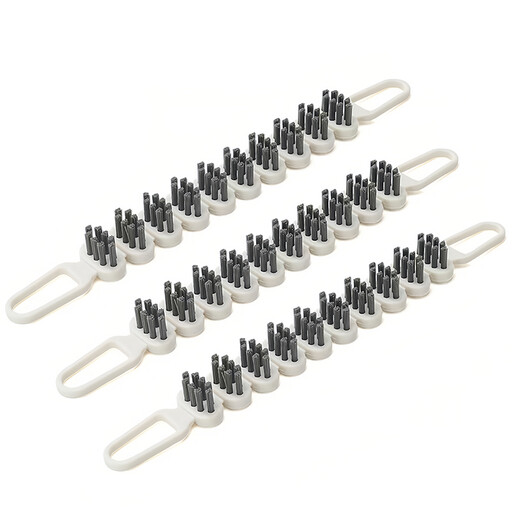
Why this product suits the profile: This set is designed for narrow gaps around sinks, fittings and in the kitchen. The curved shape helps you reach difficult spots without needing to buy an electric device.
The product description mentions soft bristles and a flexible, curved design. This allows you to choose the brush type more precisely for tight areas than a universal hard-bristle brush.
Three brushes, flexible design and compact dimensions of approximately 23 × 3 × 2 cm.
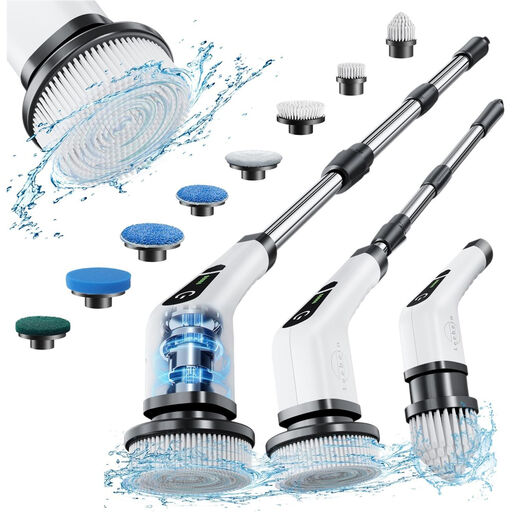
Why this product suits the profile: If you want to clean the bathroom, kitchen, tiles and hard-to-reach areas with a cordless device, this offers several attachment shapes and an adjustable handle.
The product data lists speed settings, battery life, charging time and IPX7 protection. This allows you to check the key technical points before buying.
Eight interchangeable heads, two speeds, USB-C charging and a handle range from 30 to 137 cm.
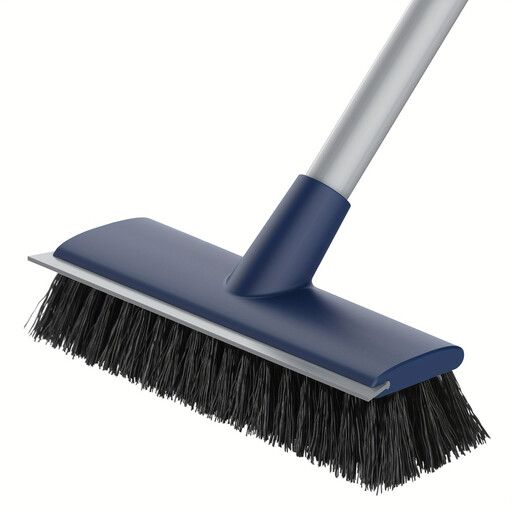
Why this product suits the profile: This model is aimed at households that need to clean floors, tiles, the shower, garage or patio, and then squeegee away the water.
The adjustable handle and integrated squeegee are specific features. This means you do not need to use a separate scrubber and water squeegee.
45-degree brush head, hard bristles, metal frame and adjustable length from approximately 49.2 to 124 cm.
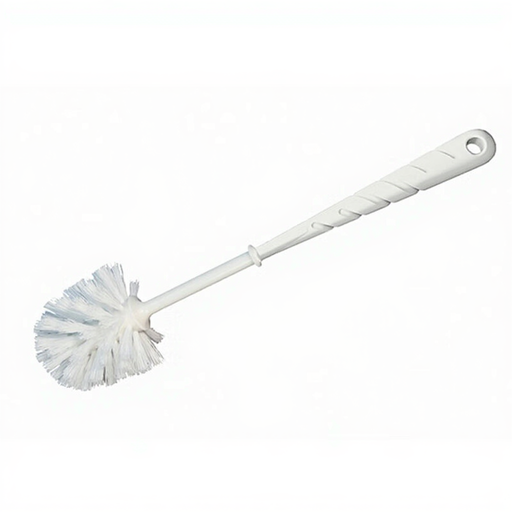
Why this product suits the profile: For daily toilet cleaning, a separate toilet brush with a classic shape and modest storage requirements is often sufficient.
The description states the length of approximately 34 cm and a ribbed brush head. Buyers can check whether it suits their available storage space and intended use.
Sturdy PP plastic, ribbed brush head and compact standard length for everyday use.
We have put together a complete, regularly updated list of products that fully meet these strict selection criteria and the safety regulations in force in the EU.
Rinse brush heads after use and allow them to dry completely. Prolonged moisture can encourage odours and damage materials. Electric models should only come into contact with water in accordance with the manufacturer's instructions. With an IPX7 rating, the device may be rinsed according to the product description; this does not automatically cover operation underwater.
Use a toilet brush, washing-up brush and grout brush separately where possible. This prevents dirt from being transferred between different cleaning areas. Worn, bent or damaged bristles should be replaced.
For narrow gaps, a grout brush with a narrow head and firm nylon or PP bristles is suitable. With delicate tiles, you should first test on a small, inconspicuous area to see if the material affects the surface.
The ongoing costs depend mainly on electricity consumption, charging frequency and battery capacity. For cordless models, charging time and runtime are more meaningful than the motor power alone. Cleaning products and replacement brush heads can also contribute to long-term costs.
The lifespan depends on the bristle material, frequency of use, cleaning products and drying conditions. A sturdy handle alone does not guarantee long-term use. Regularly check the bristles, connections, handle mechanism and, for electric models, the battery and seals.