
Lieferung heute & morgen

Qualitätsgarantie

Willkommens-Angebote freischalten: KOSTENLOSE Lieferung | Bis zu 80 % RABATT | Kostenlose 30-Tage-JoyPlus-Testphase
App herunterladen
By the Joybuy Product Recommendation Officer, August 28, 2026
A clean home starts with the right tools. But when it comes to choosing cleaning cloths, many face a common problem: the cloth advertised as "universal" leaves unsightly streaks on windows, the new dish cloth falls apart after just a few washes, and the supposed bargain sheds more lint than it cleans. The result is frustration and unnecessary expense.
As your Product Recommendation Officer at Joybuy, I see it as my mission to provide you with objective, practical information. This guide will help you navigate the common pitfalls of purchasing and find the right cloth for every purpose—from daily maintenance to specialized tasks.
Before we turn to the solutions, it's important to understand the most common problems. Many purchasing decisions are based on marketing promises that don't hold up in practice.
To avoid a bad buy, you should focus on three verifiable criteria instead of relying on marketing slogans.
The material determines the intended use. The two main categories are microfibers and natural fibre blends.
The texture of the cloth is not a design feature, but a functional one.
A good cleaning cloth should be easy to care for. Washability at at least 60°C (140°F) is crucial to reliably eliminate bacteria and germs. When washing microfiber cloths, never use fabric softener, as it clogs the fine fibres and permanently reduces cleaning performance. It's best to wash them separately from cotton textiles to avoid lint transfer. The size should match the application: a small cloth for fixtures, a large floor cloth, or a mop replacement head for the floor.
Instead of making a blanket recommendation, we have identified products that meet specific requirements and avoid the pitfalls mentioned.
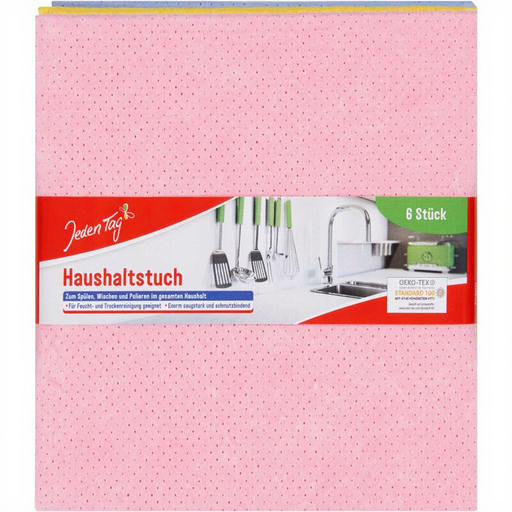
Why This Fits Their Persona: Ideal for price- and quality-conscious individuals who need a reliable basic set for daily cleaning. The 6-pack in various colours allows for hygienic separation by area of use (e.g., kitchen, bathroom, dusting).
This cloth avoids the "all-in-one" trap by being positioned as a solid all-rounder for standard tasks, without promising perfection on specialty surfaces. The viscose-polypropylene blend is designed for absorbency and durability in everyday use.
Good value for money in a multipack. The perforated structure ensures high absorbency for wet applications, and the material is low-lint.
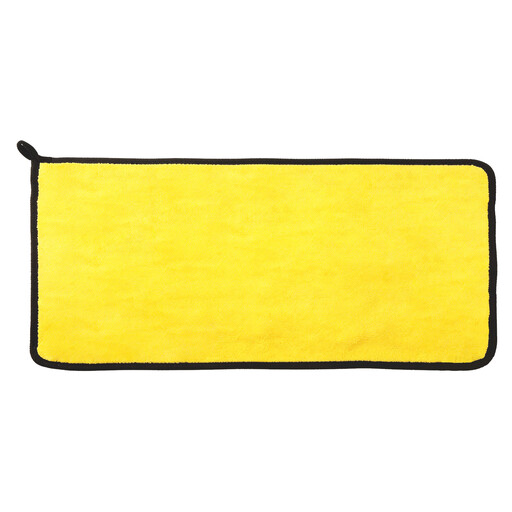
Why This Fits Their Persona: For users who demand the highest standards for caring for sensitive surfaces like car paint, glass, or polished furniture. The high weight (GSM) is an indicator of a dense, soft, and extremely absorbent quality.
This is a specialized tool, not a generalist. It bypasses the trap of unsuitable materials, as its high density and soft fibres are specifically designed to safely trap dirt particles and prevent scratches on delicate paintwork.
600 GSM (grams per square meter) for maximum water absorption and fast, streak-free drying. The dual-sided design offers versatility for polishing and drying.
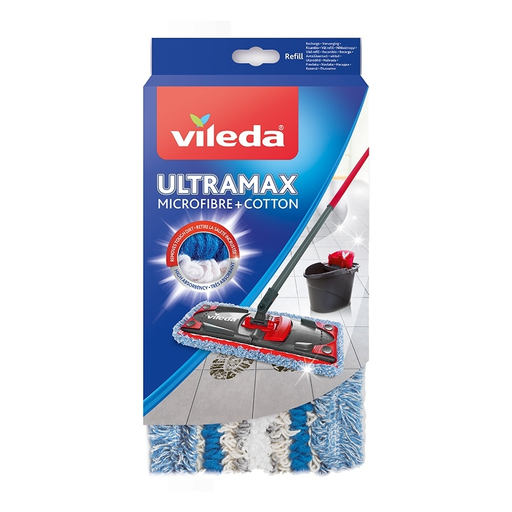
Why This Fits Their Persona: Perfect for households with large tile or stone floors that require efficient and thorough wet cleaning. As a brand-name replacement part for the Vileda Ultramax system, it is designed for durability and high cleaning performance.
This mop replacement head bypasses the problem of poor durability. It is designed for repeated machine washing at 60°C and retains its cleaning power thanks to the high-quality material combination, unlike cheap, disposable floor cloths.
The combination of microfiber (for deep cleaning) and cotton (for high water absorption) reliably removes both coarse and fine dirt. Ideal for durable floors.
In addition to these specific cleaning textiles, there are also products for protecting items, such as a protective cover, which shields furniture or vehicles from the elements and dirt. The principle remains the same: the material and construction must be suited to the application.
We have compiled a complete, up-to-date list of products that fully meet these strict selection criteria and rigorous safety standards.
Microfiber cloths should be washed at 40°C to 60°C (104°F to 140°F). Never use fabric softener, as it clogs the fibres and destroys both the electrostatic effect and the absorbency. It's best to wash them separately from cotton textiles to avoid lint transfer. Cloths made of cotton or viscose are generally less sensitive and can often be washed at higher temperatures. Always follow the manufacturer's care instructions.
Streaking usually has one of three causes:
It is not recommended. While a general microfiber cloth may be suitable for the car's interior, you should exclusively use special car care towels for the delicate automotive paint. These typically have a higher material density (GSM value), longer and softer fibres, and a silk-banded edge to prevent micro-scratches. A standard household cloth can be too abrasive.