
Lieferung heute & morgen

Qualitätsgarantie

Willkommens-Angebote freischalten: KOSTENLOSE Lieferung | Bis zu 80 % RABATT | Kostenlose 30-Tage-JoyPlus-Testphase
App herunterladen
A cleansing balm usually transforms from a solid balm texture into an oil when warmed by the skin, then emulsifies with water to form a milky lotion. This allows a make-up remover balm to dissolve waterproof make-up, sun cream and oily residue. However, it is not simply the promise of “deep pore cleansing” that matters. The right formula, application method and pack size are just as important.
Many products are described as suitable for everyone. However, fragrances, essential oils or certain plant extracts may not suit every individual. If you have sensitive or reactive skin, check the full INCI list and first apply a small amount to an inconspicuous area.
A cleansing balm is primarily a rinse-off cleansing product. Claims about “brightening”, “anti-ageing” or permanently refining pores should not be the main buying criteria. Good emulsification, thorough rinsing and a texture that requires little friction during massage are more important.
A 7 ml jar is practical for trying a product or taking it travelling, but it cannot be compared directly with a 100 or 120 ml product. For ongoing costs, the price per 10 ml is therefore what matters. The amount of product required also depends on whether you remove light make-up every day or regularly use waterproof products.
A good facial cleansing balm should spread easily over dry skin and dissolve make-up and sun cream. A little water is then added. The resulting milky emulsion is easier to rinse off than pure oil.
For application:
Rubbing for too long or too vigorously can put unnecessary strain on the skin. If the product gets into your eyes, rinse immediately with plenty of water.
For cleansing balm for sensitive skin, short, easy-to-understand formulas without perfume are often easier to assess. Products containing essential oils or fragrance allergens are not necessarily unsuitable, but if you have a known sensitivity, they should be checked particularly carefully.
For dry skin, formulas containing ingredients such as shea butter, plant oils or squalane may be worth considering. For blemish-prone skin, individual compatibility with rich ester oils and waxes is key. A product containing salicylic acid or lactic acid should not automatically be regarded as a treatment for blemishes; it remains a cosmetic cleanser.
The INCI list on the packaging supplied with the product takes precedence, as formulas can change. If persistent redness, burning or a rash occurs, stop using the product.
A jar supplied with a spatula can make dispensing more hygienic. A twist mechanism or smaller pack is useful when travelling. If you cleanse frequently, a larger fill quantity is usually more practical, but the product should be stored in a cool, dry place away from direct sunlight.
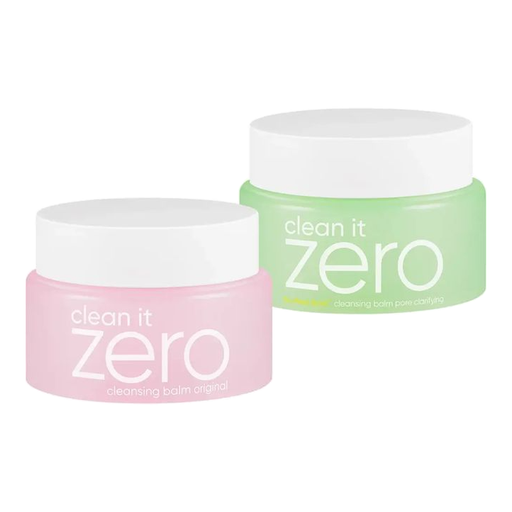
Why this product suits the profile: Two small variants offer an easy introduction to K-beauty cleansing and are suitable for travelling or testing skin compatibility.
The small total quantity reduces the risk of buying a large jar straight away before you know the texture and how it feels on your skin.
Two 7 ml sizes, a balm-to-oil texture and application to dry skin followed by emulsification.
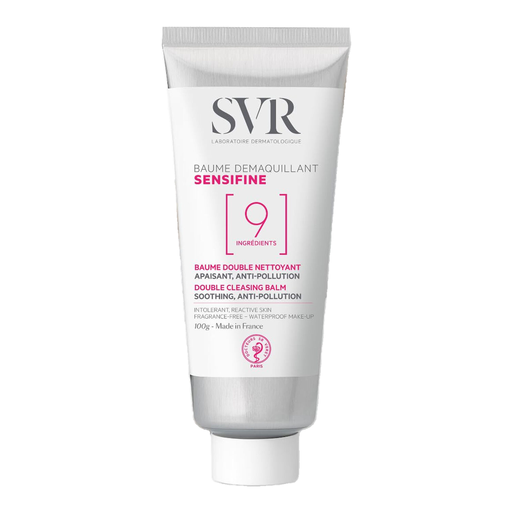
Why this product suits the profile: According to the product description, the fragrance-free formula has been reduced to nine ingredients, making it suitable for people who prefer a clear, easy-to-understand INCI list in their facial care products.
The fragrance-free formula and clear product description make it easier to choose a product based on known fragrance sensitivities.
100 ml content, a balm-to-oil texture and details of a fragrance-free, hypoallergenic formula.
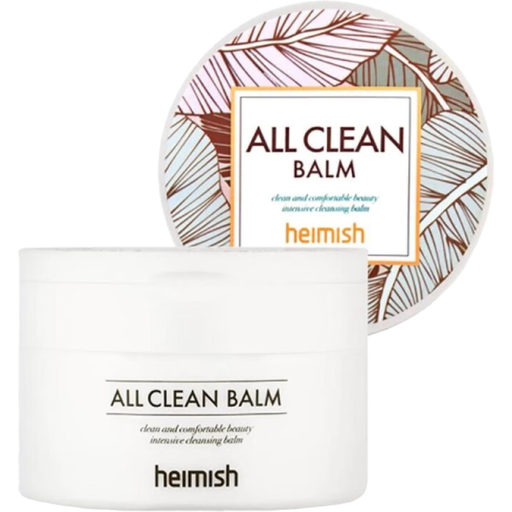
Why this product suits the profile: The 120 ml size is suitable for people who regularly remove make-up, sun cream and everyday residue as part of a double-cleansing routine.
The large fill quantity reduces the need for repeat purchases with frequent use; the spatula can be stored in the lid between applications.
120 ml, supplied spatula and a solid texture that develops into an oil and then an emulsion.
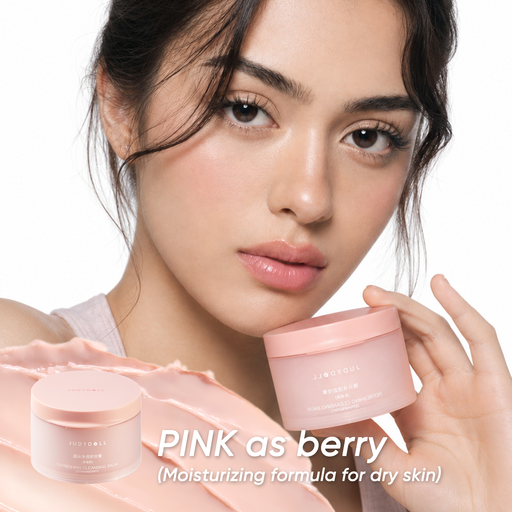
Why this product suits the profile: The product description mentions a moisturising formula containing several lipid and ceramide ingredients for a comfortable skin feel after cleansing.
Details about the ceramides and oils make the formula easier to understand before buying than a blanket skincare claim.
Balm-to-oil application, emulsification with water, plus the stated ceramides and plant oils.
We have put together a complete, regularly updated list of products that fully meet these strict selection criteria and the safety regulations applicable in the EU.
With double cleansing, the cleansing balm is used as the first step. It mainly dissolves oily residue such as sun cream, make-up and sebum. A second, water-based cleanser can then remove any remaining residue.
This method is not necessarily required in the morning and evening. For dry or sensitive skin, using it once in the evening may be sufficient. If you do not wear make-up or waterproof sun cream, you may need less cleansing power. The key is that your skin should not feel excessively tight after washing and should not have any visible residue.
The best-before date, batch number and period-after-opening symbol on the packaging are the key points of reference. Jars should be closed after every use and protected from heat and direct sunlight. If the smell, colour or consistency changes noticeably, stop using the product.
According to the product descriptions, many of the products mentioned here are designed for make-up, sun cream and waterproof products. However, how effectively they remove these products depends on the formula, the amount applied and the time it is left on the skin. Gentle massage followed by emulsification is more important than vigorous rubbing.
This depends on individual skin compatibility and the complete INCI list. A cleansing balm can dissolve oily residue, but it is not a medical product for treating acne. Use it carefully on sensitive, inflamed or damaged skin.