
Lieferung heute & morgen

Qualitätsgarantie

Willkommens-Angebote freischalten: KOSTENLOSE Lieferung | Bis zu 80 % RABATT | Kostenlose 30-Tage-JoyPlus-Testphase
App herunterladen
A cleansing balm can dissolve make-up, sun protection and oily residue without the need to rub a cotton pad over your skin. However, not every facial cleansing balm suits every skin type or routine. Marketing terms such as “Pore Clarifying”, “Hydro Boost” or “for all skin types” don’t tell you much on their own about how well a product will work in everyday use.
That’s why three things matter when choosing one: how well it emulsifies, its ingredients and the right pack size. Checking these factors can help you avoid a disappointing purchase and find a cleansing balm that fits naturally into your daily K-beauty skincare routine.
Many cleansing balms are marketed as make-up removers for waterproof make-up. However, how you use them matters: first spread the balm over dry skin with dry hands, then emulsify it with a little water. This usually creates a milky texture that rinses off more easily.
Using too little water or massaging for too long can leave an oily film behind. If you have a sensitive eye area, avoid rubbing too hard and take care not to get the product directly in your eyes.
Formulas containing salicylic acid, Capryloyl Salicylic Acid or tea tree extracts are often aimed at people who want a more targeted approach to cleansing their pores. However, these ingredients don’t automatically make a product suitable for every skin type. If your skin is dry, irritated or very sensitive, extra fragrance, essential oils or exfoliating ingredients may not be welcome.
That’s why the INCI list on the packaging matters more than the claims on the front. If you’re looking for a cleansing balm for sensitive skin, check whether it contains fragrance or any ingredients you know you don’t tolerate well.
A 180 ml jar may look cheaper at first glance than a 50 ml product. To compare prices fairly, check the price per 100 ml. If you only use a balm occasionally or want one for travel, a smaller size may be a better choice. Close the jar securely after each use and, where possible, use the spatula provided to scoop out the balm.
A suitable cleansing balm typically changes from a solid or sorbet-like texture into an oil, then into a milky emulsion. These three stages help dissolve make-up and sun protection. The product description should include clear instructions:
You can follow with a water-based cleanser as part of a double-cleansing routine. This is especially useful if you’re removing a generous layer of sun protection, long-wear make-up or visible pollution.
Oils, esters and emulsifiers help create the balm-to-oil texture. Squalane, jojoba oil and plant oils can make application feel smooth, but they don’t automatically mean a product is suitable for every skin type.
If you have sensitive skin, check for parfum, limonene, linalool and essential oils. If your skin is blemish-prone or prone to clogged pores, you may want to consider formulas with suitable clarifying ingredients. However, cosmetic cleansing is not a substitute for dermatological treatment.
Check the net contents, batch number, shelf-life information and responsible person in the EU. For Korean products, compare the current ingredients list on the packaging with the information in the online shop, as formulas and packaging can change. For all products: use externally only, avoid contact with eyes and stop using the product if irritation occurs.
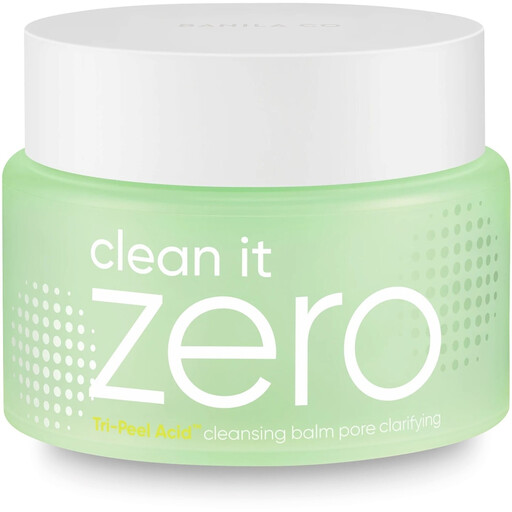
Why this product suits this profile: The 100 ml size is an easy way to try a Korean cleansing balm, and it’s designed for a double-cleansing routine.
The instructions specifically explain how to emulsify the balm with water. This makes it easier to check that you’re using it as intended.
Balm-to-oil-to-milk application; according to the product information, contains salicylic acid, Capryloyl Salicylic Acid and tea tree ingredients.
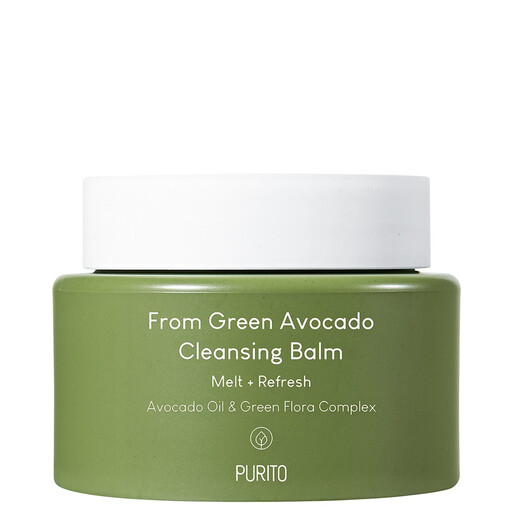
Why this product suits this profile: Its stated fragrance-free formula and plant oils may appeal if you like to check the INCI list for a shorter selection of fragrance ingredients.
Rather than relying on claims such as “gentle”, you can check the stated fragrance-free formula and the current INCI list on the packaging.
100 ml contents; according to the product information, contains avocado oil, watermelon seed oil, baobab seed oil and Green-Flora-Complex.
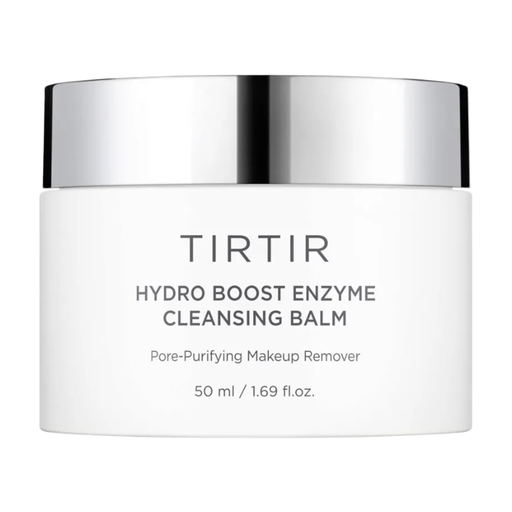
Why this product suits this profile: The balm is described as suitable for daily use and is aimed at people who want to remove make-up and water-resistant sun protection in the first step of their cleansing routine.
The detailed instructions specify using dry hands, emulsifying the balm and rinsing thoroughly. This helps you avoid massaging for too long or too vigorously.
50 ml size; according to the product information, contains rice, camellia and jojoba oils, squalane and protease.
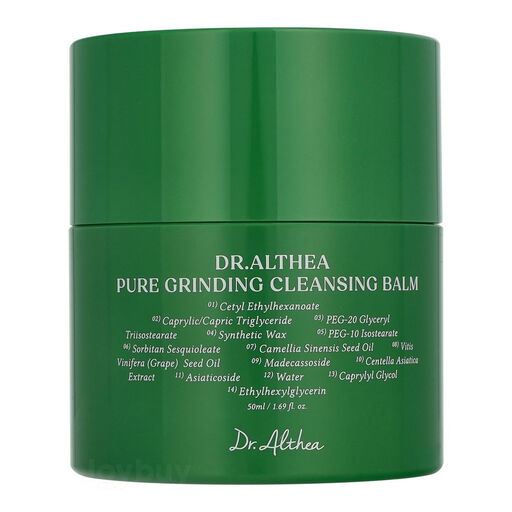
Why this product suits this profile: Its compact size and stated vegan formula make it a good option if you’re looking for a streamlined make-up remover for travel or everyday use.
The product information lists 14 ingredients and states that it contains no synthetic fragrance. It’s still worth checking the current packaging before you buy.
Described as vegan; twist mechanism for dispensing; 50 ml contents and stated as suitable for various skin types.
We’ve put together a complete, regularly updated list of products that meet these strict selection criteria and fully comply with the safety regulations applicable in the EU.
A cleansing balm is usually used in the evening to remove sun protection, make-up or dirt. A small amount is enough for controlled application. You may need a little more if you’re wearing heavy make-up, depending on the product instructions. Keep the jar out of direct sunlight and away from radiators, as heat can change the texture.
Once opened, follow the PAO symbol on the packaging. How long it lasts in practice depends on how much you use, how often you use it and how it’s stored. If the colour changes, it develops an unusual smell or its consistency changes noticeably, stop using the product.
Apply the balm to your dry face with dry hands and massage in gently. Then add a few drops of water, emulsify the balm and rinse thoroughly with lukewarm water. If you’re double cleansing, follow with a water-based cleanser.
Cleansing balms are designed to remove oily and waxy residue such as make-up and sun protection. How long you need to leave a balm on or massage it in can vary from product to product when removing waterproof make-up. Be gentle around the eyes and stop using the product if irritation occurs.
That depends on your individual tolerance and the INCI list. Check for fragrance, essential oils and exfoliating ingredients. Before using the product all over your face for the first time, it may be worth doing a patch test on a small area of skin. If symptoms persist, stop using the product and seek medical advice.