
Lieferung heute & morgen

Qualitätsgarantie

Willkommens-Angebote freischalten: KOSTENLOSE Lieferung | Bis zu 80 % RABATT | Kostenlose 30-Tage-JoyPlus-Testphase
App herunterladen
Ordinary face wash doesn’t always remove make-up, sunscreen, excess sebum and waterproof formulas comfortably. Cleansing balms and cleansing oils first loosen oil-soluble residue with an oil-based formula. They’re then emulsified with water and rinsed away. This can be the first step in a double-cleansing routine.
But choosing a product isn’t just about the brand name. Fragrance, whether it’s used on dry or damp skin, and the amount of product in the pack can all affect how well a make-up remover fits into your daily routine.
Terms such as “cleanses pores”, “removes blackheads” or “dissolves sebum” usually describe how well a product cleanses. They don’t prove that blackheads will disappear for good or that blemishes will be prevented. A cleansing oil can loosen build-up and make-up residue, but it isn’t a substitute for skincare tailored to your needs.
Green apple, lychee, herbs and essential oils can all affect your experience of using a product. If you have sensitive skin, check the INCI list. Several of the products on offer list “Parfum”; Anua Cleansing Oil also specifically mentions fragrance. If your skin is prone to reactions, test the product on a small area first and stop using it if you experience redness, stinging or itching.
A solid cleansing balm may seem concentrated, but the amount you need will vary depending on how much make-up you’re wearing. A smaller amount is often enough for light make-up, while waterproof mascara or long-lasting lipstick may need more product and a longer application time. So check the net quantity, recommended amount and packaging, not just the solid texture.
A good facial cleansing oil or cleansing balm should combine with water to form a milky or easy-to-rinse emulsion. This makes the oil-based formula easier to remove. Follow the exact instructions on the label:
Some formulas can also be used on damp skin, according to the product instructions. This varies by product, so don’t assume it applies to all cleansing oils or balms.
An oil-based cleanser may feel more comfortable on dry skin than a product that lathers heavily. If you have oily or blemish-prone skin, it’s particularly important that the product rinses off without leaving residue. A “non-comedogenic” claim should be treated as the manufacturer’s statement, not proof that the product will suit your skin.
If you have sensitive skin, pay particular attention to:
According to the respective product information, DHC Deep Cleansing Oil and Clinique Take The Day Off Cleansing Balm, for example, contain certain conditioning or emulsifying ingredients. Always check the current packaging, as formulas can change.
If you use cleanser frequently, 150 to 200 ml may be more practical than a 50 ml balm. Smaller jars, on the other hand, are handy for travel or trying out a product. For daily use, it should be easy to control how much you dispense. Pump bottles reduce direct contact with the contents, while jars and twist-up containers need to be handled cleanly.
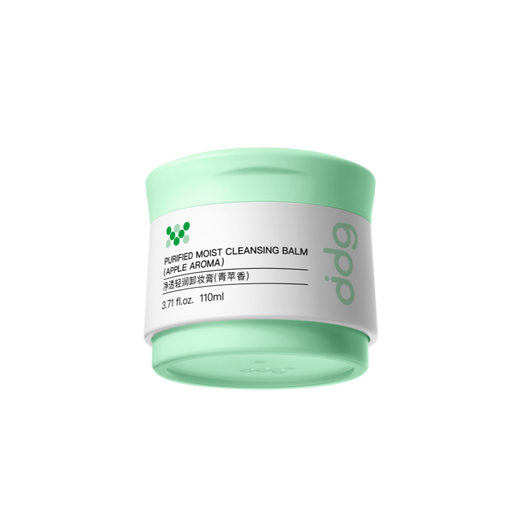
Why this product suits this profile: The solid balm texture may appeal if you’d like to try a classic make-up remover and prefer a compact product format.
The 110 ml size makes it easier to keep track of how much product you need. Still, check the current ingredients list and guidance on use around the eyes before buying.
110 ml balm; green apple listed as a fragrance option.
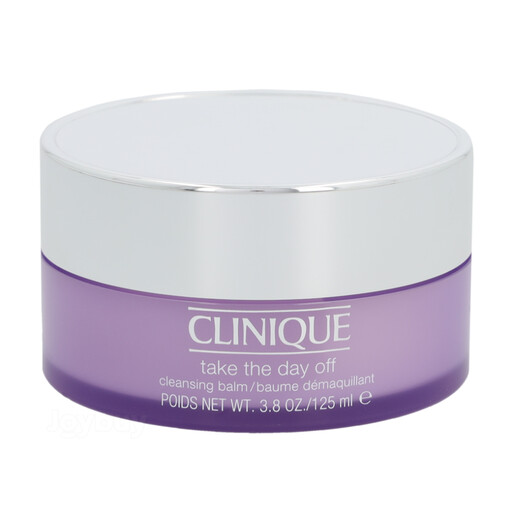
Why this product suits this profile: The product is described as suitable for removing make-up from the face and eyes, and transforms from a balm into an oil as you use it.
The stated suitability for the face and eyes makes it easier to choose a suitable make-up remover. Even so, avoid getting it in your eyes.
125 ml; described as a non-greasy balm-to-oil texture.
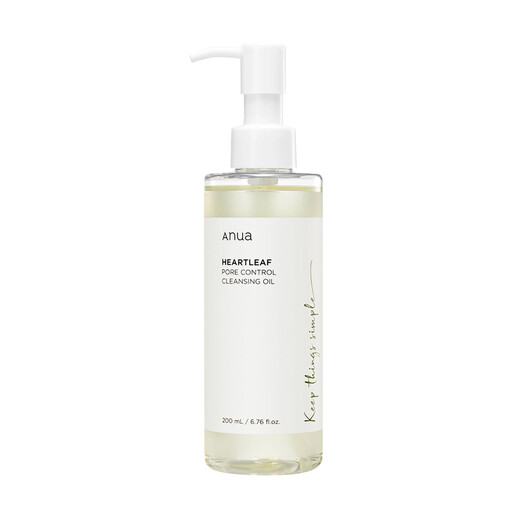
Why this product suits this profile: The 200 ml bottle is a good fit if you double cleanse regularly or often remove sunscreen and make-up.
The product information says to emulsify it with water and use two to three pumps. The INCI list includes Parfum, so check it before buying.
200 ml; pump dispenser; Houttuynia cordata, also known as heartleaf, is listed in the ingredients.
Korean and Japanese skincare routines often start with a cleansing oil or cleansing balm, followed by a water-based cleanser. This can be useful if you need to remove a lot of sunscreen, make-up or sebum. However, it isn’t essential for every skin type or every cleansing routine.
If your skin is dry or sensitive, keep the massage brief and gentle, without rubbing hard. For waterproof make-up, you can leave the product on the area for a few seconds first. A specialist make-up remover, such as a bi-phase formula, may be more practical for the eye area.
We’ve put together a complete, regularly updated list of products that meet these strict selection criteria and comply fully with the safety regulations in force in the EU.
It depends on how your skin responds and on the formula. The key is to emulsify it thoroughly, rinse it off completely and follow with a gentle cleanser if you want to double cleanse. If you have persistent skin concerns, seek advice from a dermatologist.
Many balms are designed to loosen make-up and sunscreen. For waterproof mascara or lip colour, let the product work gently for long enough. Don’t rub hard, and avoid getting the product directly in your eyes.
Check the printed best-before date or the symbol showing how long the product lasts after opening. Store it in a dry place, away from direct sunlight, and follow the packaging instructions. If its smell, colour or texture changes, stop using it.