
Lieferung heute & morgen

Qualitätsgarantie

Willkommens-Angebote freischalten: KOSTENLOSE Lieferung | Bis zu 80 % RABATT | Kostenlose 30-Tage-JoyPlus-Testphase
App herunterladen
A good cleansing cream is the foundation of any skincare routine. It should thoroughly remove makeup and impurities without drying out or irritating the skin. However, the market is saturated with products whose marketing promises often create more confusion than clarity. Many users invest in a supposedly mild face cleansing cream, only to find that their skin feels tight, dry, or even breaks out after use.
To avoid making the wrong purchase, it's crucial to know the typical pitfalls and understand what really matters when choosing a product.
Common Pitfalls When Buying a Facial Cleansing Cream:
To make an informed decision, you should check three core technical parameters. These determine how a cleansing cream actually interacts with your skin.
Surfactants are responsible for the cleansing action. Their type and concentration determine how gentle a product is.
The skin's surface has a slightly acidic pH of about 4.7 to 5.75. This so-called acid mantle is crucial for an intact skin barrier and for fending off harmful microorganisms. A cleansing product should have a skin-neutral or slightly acidic pH to avoid disrupting this balance. Products with a high (alkaline) pH can strip the skin, making it more susceptible to dryness and irritation.
A good moisturising cleansing cream not only removes impurities but also supplies the skin with essential nourishing ingredients during the cleansing process. Look for the following ingredients:
Based on the criteria above, we have put together a selection of products that are suitable for specific user profiles and their skin needs.
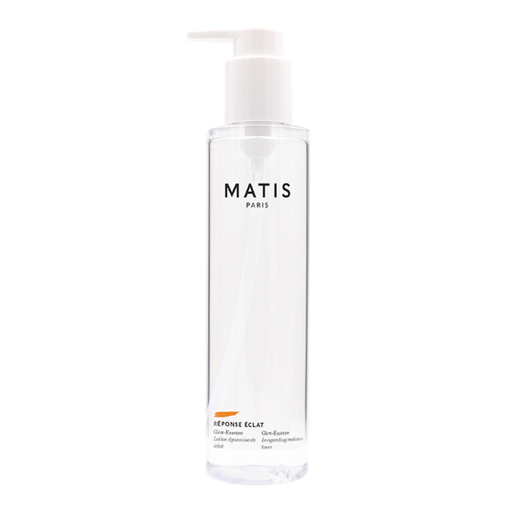
Why This Fits Their Persona: Ideal for individuals whose skin is prone to redness and tightness. The formula is designed to maintain the skin's natural balance and gently remove makeup without causing additional stress.
This product avoids the "for all skin types" trap by specifically targeting sensitive skin. Its formula, featuring saffron flower extract and illipe butter, is designed to soothe and relieve feelings of tightness.
The rich, creamy texture provides maximum comfort during application and removes makeup from the face and eyes without leaving the skin feeling dry.
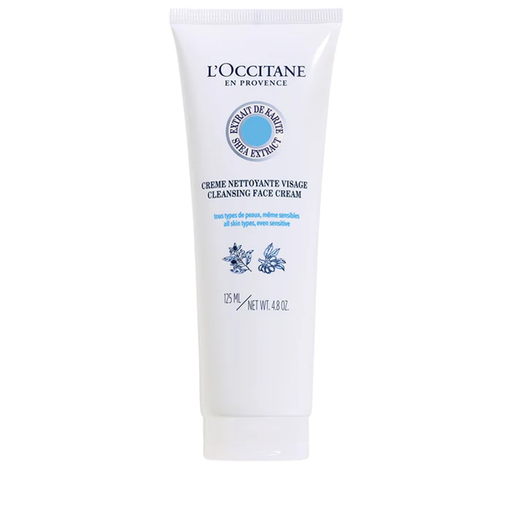
Why This Fits Their Persona: Perfect for users seeking a nourishing cleanse that strengthens the skin barrier and prevents moisture loss. The pH-neutral formula is ideal for skin prone to dryness that needs to feel comfortable and cared for after cleansing.
Instead of making empty promises, this cream relies on a proven, nourishing ingredient: shea butter. The formulation is explicitly designed to avoid drying out the skin and to maintain its natural balance.
The formula, featuring the mild surfactant Sodium Cocoyl Glycinate and shea butter, cleanses effectively without stripping the skin. It leaves the skin feeling clean and comfortable, with no tightness.
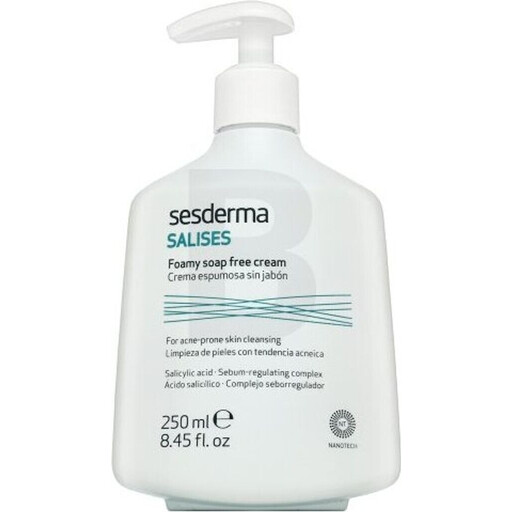
Why This Fits Their Persona: An excellent choice for those looking for an effective cleansing cream for breakouts. It regulates sebum production and exfoliates without irritating the skin with harsh substances, which would be counterproductive for acne-prone skin.
This product is the opposite of a misleadingly "gentle" formulation. It is soap-free and combines the sebum-regulating action of salicylic acid with soothing plant extracts like chamomile and aloe vera to keep the skin balanced.
The formula with salicylic acid helps remove dead skin cells and regulate sebum production. At the same time, soothing extracts promote skin regeneration and hydration.
We have compiled a complete, up-to-date list of products that fully meet these strict selection criteria and all applicable safety regulations.
Yes, a cleansing cream can be an excellent choice for oily or blemish-prone skin. People with this skin type often tend to reach for harsh, heavily foaming cleansers. However, these can strip the skin barrier so aggressively that the skin produces even more sebum in response. A creamy facial cleanser that is non-comedogenic and contains sebum-regulating ingredients like salicylic acid can effectively cleanse the skin while keeping it balanced.
Most cleansing creams are applied to dry or slightly damp skin. Massage a pea-sized amount into the skin on your face and neck using gentle, circular motions to dissolve makeup and impurities. Then, rinse the product off thoroughly with lukewarm water. Some formulations, like those from Dr. Hauschka, recommend a special "press and roll" motion instead of rubbing to cleanse the skin with particular care. Always follow the application instructions provided by the manufacturer.
The main difference lies in the texture and lipid content. A cleansing cream is typically thicker, richer, and has a higher percentage of lipids (fats) and oils. This makes it particularly suitable for dry, mature, or sensitive skin that needs an extra dose of nourishment. A cleansing milk has a lighter, more fluid consistency. It is also gentle but often less nourishing than a cream and can be a good option for normal to combination skin.