
Lieferung heute & morgen

Qualitätsgarantie

Willkommens-Angebote freischalten: KOSTENLOSE Lieferung | Bis zu 80 % RABATT | Kostenlose 30-Tage-JoyPlus-Testphase
App herunterladen
A good cleansing foam is the foundation of any skincare routine. Yet, the search for the right product can quickly become overwhelming. Many promises of "deep-pore cleansing" end with skin that feels tight, dry, or even irritated. This is often due to common marketing traps and misunderstood product features.
Before you make a decision, it's helpful to understand two common pitfalls:
To find a product that effectively cleanses while also caring for your skin, you should focus on three core technical parameters. These are far more telling than any advertising claims.
Our skin's surface is naturally slightly acidic, with a pH value of about 4.7 to 5.75. This "acid mantle" is crucial for fending off harmful microorganisms and maintaining moisture. Many conventional soaps are alkaline (high pH) and can disrupt this barrier. A mild cleansing foam should therefore have a skin-neutral pH of around 5.5. This is especially important for a facial cleanser for sensitive skin, as an intact barrier prevents irritation.
Surfactants are the active cleansing substances responsible for the cleaning effect. There are significant differences here:
A modern cleansing foam can do more than just clean. Targeted active ingredients address specific skin needs. Korean skincare is often a pioneer in this area.
Based on these objective criteria, we have identified several products that are suitable for different user profiles and their specific requirements.
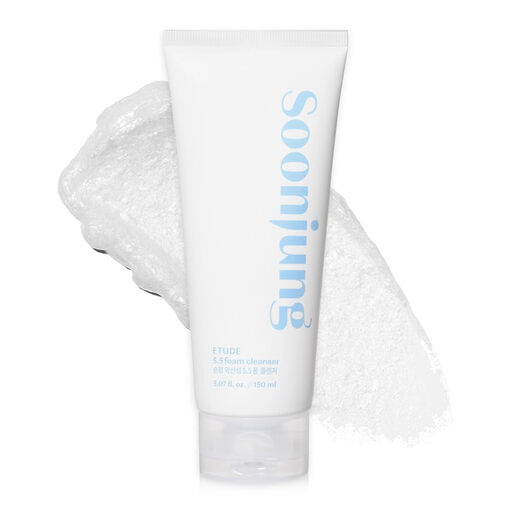
Why This Fits Their Persona: Specifically designed for sensitive skin that reacts to fragrances and harsh ingredients. The minimalist formula with a skin-neutral pH of 5.5 supports the skin barrier instead of attacking it.
Instead of aggressive surfactants, it uses mild, plant-based cleansing agents that remove dirt without stripping the skin of its natural oils. This prevents the typical feeling of tightness.
Contains Panthenol for hydration and Madecassoside to soothe the skin. Hypoallergenic and dermatologically tested formula, free from 10 potentially irritating substances.
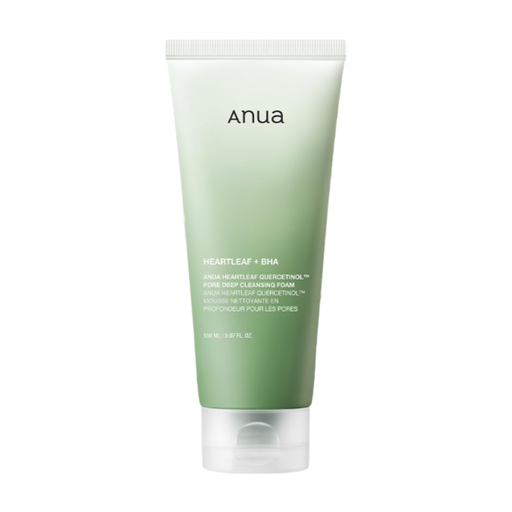
Why This Fits Their Persona: Ideal for those struggling with clogged pores, excess sebum, and minor blemishes. The formula targets a thorough pore cleanse without drying out the skin.
It creates a micro-fine, dense foam that penetrates deep into the pores. Instead of just "scrubbing" the skin's surface, it specifically dissolves sebum and dirt thanks to ingredients like Salicylic Acid.
Contains 33% Heartleaf extract to soothe irritation and Quercetinol to refine pores. The sulfate-free formula ensures a deep yet gentle cleanse.
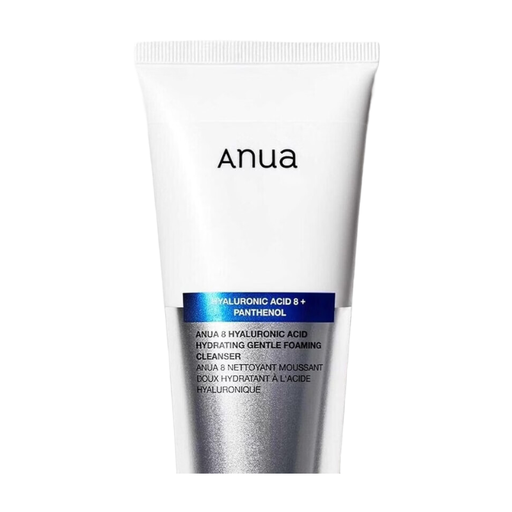
Why This Fits Their Persona: Perfect for anyone whose skin feels tight and dry after cleansing. The clear focus is on maintaining and delivering moisture during the cleansing process.
It actively counteracts moisture loss by including eight different types of hyaluronic acid that work at various skin depths. The cleanse is effective, but its primary purpose is hydration.
Mild, amino acid-based surfactants cleanse gently without stripping the skin. It also contains Panthenol and Betaine for soothing and moisturizing care.
We have compiled a complete, continuously updated list of products that fully meet these strict selection criteria and all applicable safety regulations.
For most skin types, using it twice daily—morning and evening—is recommended. In the morning, to remove sebum and sweat produced overnight, and in the evening, to eliminate the day's dirt, pollutants, and makeup residue. For very dry or sensitive skin, it may be sufficient to wash your face with lukewarm water in the morning and use the cleansing foam only in the evening.
That depends on the type and amount of makeup. For very light, non-waterproof makeup, a good cleansing foam may be sufficient. For waterproof mascara, long-lasting foundation, or sunscreen, a two-step cleansing method, known as "Double Cleansing," is significantly more effective and gentler on the skin.
Double Cleansing is a two-step cleansing method, popularised by Korean skincare.
This method is particularly beneficial for people who wear makeup or sunscreen daily, as well as for those with oily or acne-prone skin types, as it allows for a very thorough yet gentle pore cleanse.