
Lieferung heute & morgen

Qualitätsgarantie

Willkommens-Angebote freischalten: KOSTENLOSE Lieferung | Bis zu 80 % RABATT | Kostenlose 30-Tage-JoyPlus-Testphase
App herunterladen
Finding the right cleansing gel for blemish-prone skin can quickly feel overwhelming. The market is saturated with products promising quick fixes. However, not every wash gel that advertises deep pore cleansing is a good choice for your skin. Many users find that their skin condition actually worsens after switching products. To help you make an informed choice, we'll highlight the most common pitfalls and show you which objective criteria truly matter.
Before you make a decision, it's crucial to question common marketing claims that often lead to unsuitable purchases.
To find a suitable product that cleanses without stressing the skin, you should pay attention to the following technical parameters.
Surfactants are responsible for the cleansing action. Harsh sulfates like Sodium Lauryl Sulfate (SLS) can be too aggressive for sensitive or already irritated skin. A good alternative is milder surfactants, often based on sugar or coconut.
Look for names like:
A soap-free formulated product is often a good indicator of a gentler cleansing base that respects the skin's natural protective barrier.
The skin's surface naturally has a slightly acidic pH of around 5.5. This so-called acid mantle fends off harmful microorganisms and keeps the skin flora in balance. Alkaline cleansing products (with a high pH) can disrupt this protective layer, making the skin more susceptible to bacteria and irritation. A pH-balanced or slightly acidic facial cleansing gel supports the skin's natural function and is therefore highly recommended for cleansing acne-prone skin.
Active ingredients can specifically target skin problems. However, it's important that they are present in a balanced concentration and within a skin-friendly overall formula.
A gentle facial cleansing gel combines effective cleansing with soothing and nourishing components to keep the skin balanced.
Based on the criteria above, we have identified several products suitable for specific user profiles.
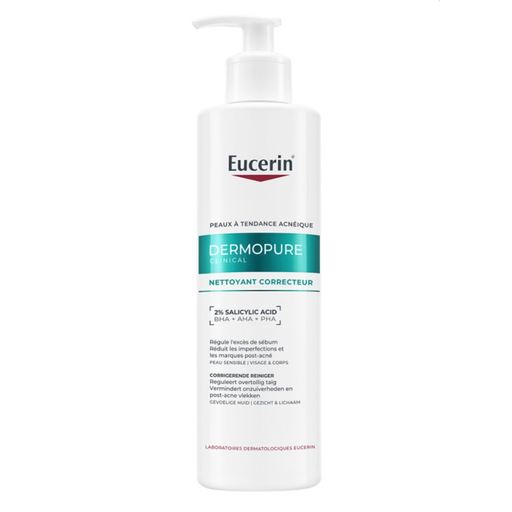
Why This Fits Their Persona: Suitable for individuals looking for a cleanser for pimples with proven active ingredients who prefer a reliable solution from dermo-cosmetics.
This product doesn't rely on just one active ingredient. It combines salicylic acid with glycolic acid in a balanced formula that fights blemishes without overly stressing the skin.
Contains a complex with 2% Salicylic Acid, according to the manufacturer, for effectively combating blemishes; The formula is designed to reduce the formation of new pimples.
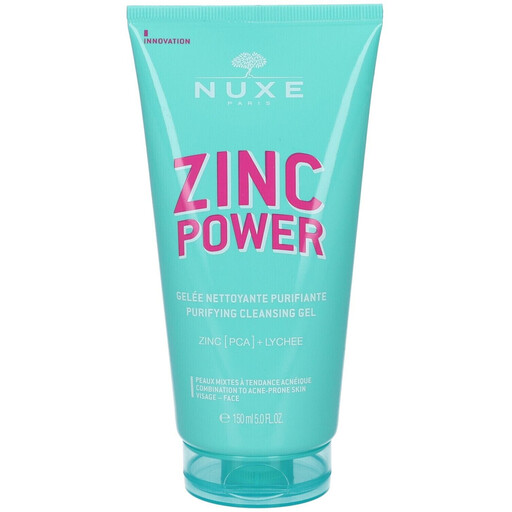
Why This Fits Their Persona: Perfect for users whose main concern is excessive shine and who are looking for a mattifying yet nourishing daily cleanser.
Instead of just superficially mattifying the skin with alcohol, this gel uses the active ingredient Zinc PCA to address the root cause—excessive sebum production—and balance the complexion long-term.
Formulated with Zinc PCA to regulate sebum production; According to the manufacturer, 98% of the ingredients are of natural origin.
We have compiled a complete, up-to-date list of products that fully meet these strict selection criteria and German safety regulations.
For most people with oily or blemish-prone skin, using it twice daily—morning and evening—is recommended. In the morning, to remove sebum and sweat produced overnight, and in the evening, to remove makeup, dirt, and environmental pollutants from the day. For very sensitive skin, a single, thorough cleanse in the evening may be sufficient.
Not necessarily. While salicylic acid can be drying at high concentrations or in a poorly formulated base, modern cleansing products are often designed to counteract this effect. They contain hydrating ingredients like glycerin or hyaluronic acid to keep the skin balanced. If you do notice dryness, reduce use to once a day or every other day.
The term "pH-neutral" or "pH-balanced" means that the product's pH value is adjusted to match the skin's natural, slightly acidic pH (around 5.5). This helps keep the skin's acid mantle intact, which is crucial for protecting the skin barrier and making it more resilient against the bacteria that can cause blemishes.