
Lieferung heute & morgen

Qualitätsgarantie

Willkommens-Angebote freischalten: KOSTENLOSE Lieferung | Bis zu 80 % RABATT | Kostenlose 30-Tage-JoyPlus-Testphase
App herunterladen
As your Joybuy Product Recommendation Officer, I see countless people struggle daily with choosing the right cleansing gel for blemish-prone skin. The market is flooded with products that promise quick fixes. However, these often lead to disappointment and sometimes even worsen the skin's condition. Before you make a decision, it's crucial to understand the most common pitfalls.
The 2 Most Common Traps When Buying Cleansing Gels:
An effective cleansing gel for blemish-prone skin should clarify without throwing the skin off balance.
To find a suitable product that contributes to a clearer complexion in the long term, you should focus on three core aspects. These will help you objectively evaluate the quality of a formulation.
A good cleansing gel for pimples relies on a well-thought-out combination of ingredients that address various skin needs.
Surfactants are the cleansing agents responsible for the washing effect. Their selection is crucial for how gentle a product is on the skin.
A clarifying facial gel should do more than just cleanse. The overall composition is key.
Based on the criteria above, we have identified several products suitable for different needs and budgets.
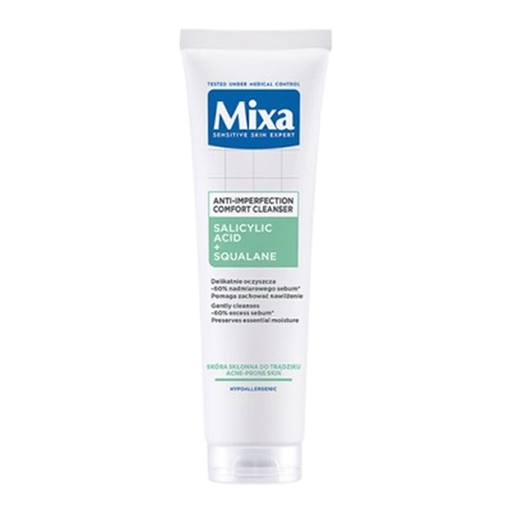
Why it's a match: Offers a solid combination of active ingredients at a very accessible price point. Ideal for anyone looking for an effective and straightforward solution to start caring for blemish-prone skin.
The formula combines clarifying salicylic acid with soothing niacinamide and nourishing squalane. This prevents dryness and stops the skin barrier from being weakened by cleansing.
Contains a combination of salicylic acid, niacinamide, and squalane. According to the manufacturer, it is suitable for all skin types, including sensitive and acne-prone skin.
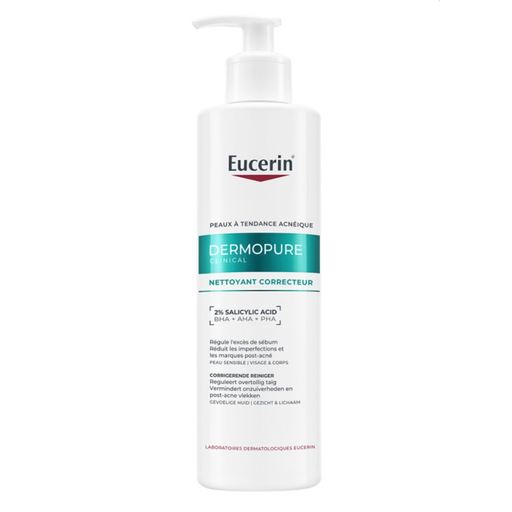
Why it's a match: A dermo-cosmetic formulation for users who value a science-backed composition and want to specifically target blemishes, post-acne marks, and shine.
Instead of relying on just one ingredient, this gel combines salicylic acid with glycolic acid. It aims for a comprehensive improvement of the skin's appearance rather than just superficial cleansing.
Combines salicylic acid with glycolic acid for effective cleansing and exfoliation. The formulation is designed to reduce blemishes and regulate sebum production.
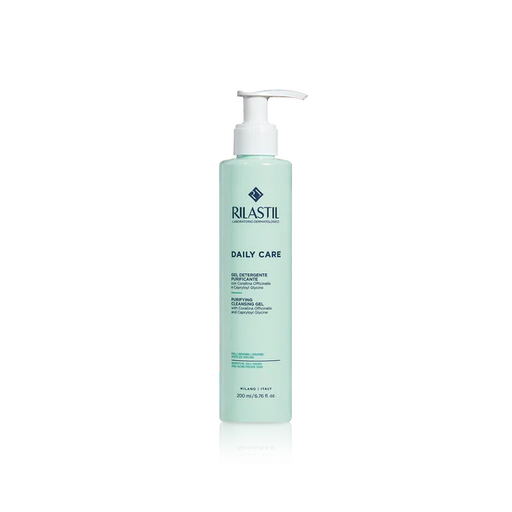
Why it's a match: An excellent choice for individuals whose skin is not only blemish-prone but also sensitive and quick to react to aggressive products with redness or irritation.
This gel avoids the trap of aggressive cleansing with a hypoallergenic, clinically tested formula that relies on mild surfactants and is free from colorants and wheat derivatives. It cleanses thoroughly without irritating the skin.
Hypoallergenic formula that, according to the manufacturer, has been tested for 5 metals (Nickel, Cobalt, Chromium, Palladium, Mercury) to minimize the risk of allergies. Cleanses gently and respects sensitive skin.
We've compiled a complete, up-to-date list of products that fully meet these strict selection criteria and current regulations.
1. How often should I use a cleansing gel for blemish-prone skin? For most people, using it twice a day—morning and evening—is ideal. The morning cleanse removes sebum and sweat produced overnight. The evening cleanse is essential to remove makeup, dirt, and pollutants from the day and to prepare the skin for the rest of your skincare routine. For very sensitive skin, a single, thorough cleanse in the evening may be sufficient.
2. Can a cleanser with salicylic acid dry out my skin? Yes, this is possible, especially if the formulation is not well-balanced or if the product is used too frequently. Salicylic acid has an exfoliating and oil-reducing effect. Therefore, look for products that also contain moisturizing or soothing ingredients like glycerin, hyaluronic acid, or niacinamide. If you notice dryness, reduce the frequency of use.
3. What does "non-comedogenic" mean? "Non-comedogenic" is a cosmetic term indicating that a product has been formulated to not clog pores and therefore not promote the formation of comedones (blackheads). For people with oily or acne-prone skin, this is an important quality mark when selecting skincare products, including cleansing gels. However, there is no legally binding definition or standardized testing method, so it should be seen as a guideline.