
Lieferung heute & morgen

Qualitätsgarantie

Willkommens-Angebote freischalten: KOSTENLOSE Lieferung | Bis zu 80 % RABATT | Kostenlose 30-Tage-JoyPlus-Testphase
App herunterladen
A good cleansing gel is the foundation of any skincare routine. But the market is saturated with products that make big promises. Exaggerated marketing claims and unclear ingredient lists often lead to poor purchasing decisions that irritate the skin more than they care for it. As your Joybuy Product Recommendation Officer, I'll help you identify the crucial criteria and avoid common pitfalls.
Before we turn to the solutions, it's important to understand the problems. Many people spend money on products that are unsuitable for their skin type. Watch out for these three typical traps:
To avoid making a bad purchase, you should focus on objective features. These three parameters are crucial for selecting a suitable facial cleansing gel.
Surfactants are the cleansing agents that dissolve dirt and oil. Your choice of surfactant is critical for skin compatibility.
The skin's surface has a slightly acidic pH value of about 4.7 to 5.75. This so-called acid mantle protects against harmful environmental factors and moisture loss. A good facial cleansing gel should have a pH-balanced profile to avoid disrupting this equilibrium. Products that are highly alkaline can strip the skin and make it more susceptible to irritation.
A cleansing gel can do more than just clean. Depending on your skin goals, certain additives are beneficial:
Here are some product recommendations tailored to different needs and skin profiles.
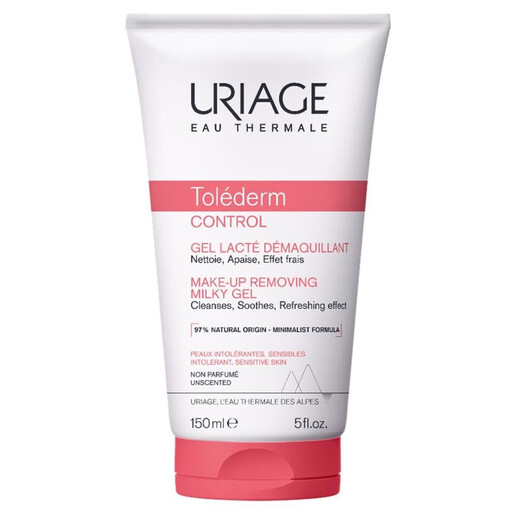
Why This Fits Their Persona: Ideal for individuals with intolerant skin that reacts to many ingredients and even tap water. The minimalist formula cleanses without causing additional stress to the skin.
This gel bypasses the aggressive cleansing trap with a no-rinse formula containing 97% ingredients of natural origin and no harsh surfactants. It soothes rather than irritates.
The water-free application protects the skin barrier. The formula, with plant-based Squalane and Glycerin, provides moisture and reduces feelings of tightness.
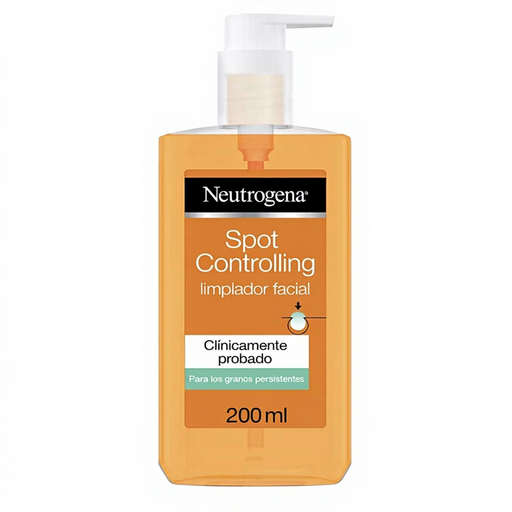
Why This Fits Their Persona: Designed for those seeking a targeted solution for blemishes without drying out the skin. The formula is oil-free and non-comedogenic, so it won't clog pores.
It avoids the "oil-free" myth by not relying on drying alcohol. Instead, Salicylic Acid cleanses the pores, while Panthenol and Glycerin soothe and moisturise the skin.
According to the manufacturer, the formula was developed with dermatologists. It combines a pore-deep cleansing action with ingredients that maintain the skin's natural balance.
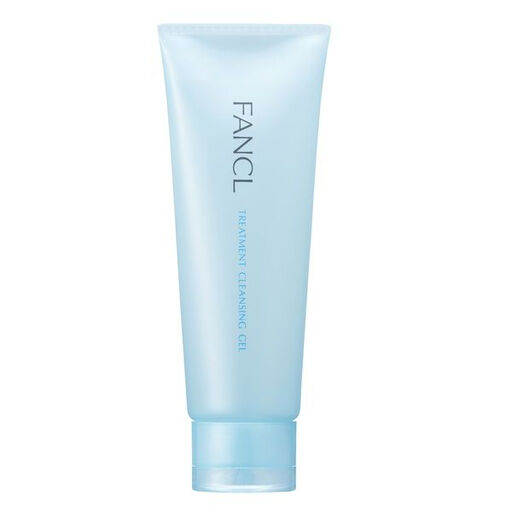
Why This Fits Their Persona: For makeup wearers looking for an effective yet nourishing cleansing solution. The gel texture gently dissolves makeup without stressing the skin and can even be used on wet hands.
This product debunks the assumption that an effective makeup remover gel must dry out the skin. The formula with Hyaluronic Acid binds moisture while dissolving makeup and impurities.
The "Cushion Gel" formula provides a pleasant feel on the skin. According to the manufacturer, peach leaf extract helps prevent skin irritation. The product is tested as non-comedogenic.
We have compiled a complete, up-to-date list of products that meet these strict selection criteria and comply with current regulations.
1. How often should I use a facial cleansing gel? Generally, using it twice a day—morning and evening—is recommended. For very dry or sensitive skin, a single, thorough cleanse in the evening may be sufficient to avoid over-stripping the skin.
2. Do I need a second cleanser after using a makeup remover gel? This depends on the product and the amount of makeup. Many modern gels are formulated to remove makeup and dirt in one step. For heavy or waterproof makeup, Double Cleansing—first with an oil-based cleanser and then with a face wash gel—can be beneficial to ensure all residue is completely removed.
3. What is the difference between a wash gel and a micellar cleansing gel? A classic face wash gel typically lathers with water and is designed to be rinsed off thoroughly. A micellar cleansing gel uses micellar technology, where tiny molecules attract dirt like a magnet. It can often be applied with a cotton pad without water and doesn't always need to be rinsed off, making it particularly gentle and convenient for on-the-go use.