
Lieferung heute & morgen

Qualitätsgarantie

Willkommens-Angebote freischalten: KOSTENLOSE Lieferung | Bis zu 80 % RABATT | Kostenlose 30-Tage-JoyPlus-Testphase
App herunterladen
A cleansing gel should remove residue, sweat and excess sebum without leaving your skin feeling uncomfortably dry or tight. There’s plenty to choose from, from facial cleansers with a low pH to classic shower gels and handy 3-in-1 products. That variety can make choosing the right one a little confusing.
Many shoppers look first at the fragrance, packaging or marketing claims. But other factors matter more when choosing the right facial cleanser. These tips can help you avoid common buying mistakes and choose a cleansing gel based on your skin type, how you’ll use it and its ingredients.
Shower gel is primarily designed for cleansing the body. Facial skin may be more sensitive to fragrances, stronger surfactants or essential oils. A 3-in-1 shower gel for your face, body and hair can be handy for everyday use, but it won’t always replace a facial cleanser made specifically for the face.
Before you buy, think about where you’ll use the product regularly: on your body, your face or several areas when you’re out and about.
Plant extracts and pleasant fragrances can make a product more enjoyable to use. But they’re no guarantee that a cleansing gel will suit every skin type. Even naturally derived fragrance ingredients such as linalool, citronellol and geraniol may be worth noting if you have sensitive skin.
Check the full INCI list on the packaging. If your skin is prone to irritation, start by using a new product sparingly and follow the manufacturer’s instructions.
A “squeaky clean” feeling may mean that a lot of oil has been stripped from the skin’s surface. That isn’t necessarily a good thing. If your skin is dry or sensitive, a gentler cleansing gel with glycerin or panthenol may be a better choice. For oily skin, a gel with clarifying ingredients may be helpful, but it shouldn’t be used more often than necessary.
A low-pH cleanser is often slightly acidic, making it similar to the skin’s natural acid mantle. Check the label or product description for claims such as “pH-balanced” or a specific pH value. “pH-balanced” doesn’t necessarily mean that the product will suit everyone equally well.
Surfactants such as Decyl Glucoside, Cocamidopropyl Betaine or Sodium Cocoyl Isethionate may be used in gentle cleansing formulas. However, how well a product is tolerated always depends on the full formula and your individual skin.
A low price isn’t always a bargain if the bottle runs out quickly. Compare the pack size, how much you need per use and what you’ll use it for. A 470 ml bottle may be more practical for a daily facial cleansing routine, while 50 or 100 ml sizes are handy for travelling.
For shower gel, a stable bottle, an easy-to-control opening and a formula that rinses off completely are also useful things to consider. If the product contains fragrance, check the label for fragrance allergens that must be declared.
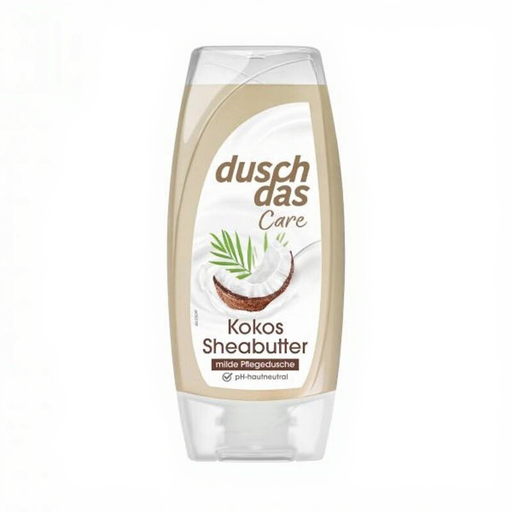
Why this product suits this profile: This 225 ml shower gel is designed for daily body cleansing and comes in a manageable size for regular use.
The product information describes a pH-balanced formula and also lists fragrance ingredients such as Hexyl Cinnamal and Linalool. This gives you a more realistic idea of what’s in the formula.
225 ml size, glycerin and shea butter on the ingredients list, plus packaging information indicating that it can be recycled.
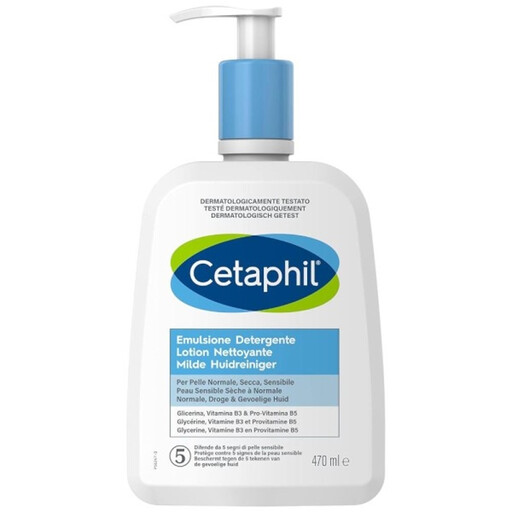
Why this product suits this profile: The generous size and clear positioning as a facial cleanser make it a good choice for shoppers who prefer a consistent morning and evening routine.
The ingredients list provided is relatively concise. Panthenol, niacinamide and glycerin are also listed, while the INCI list shown contains no fragrance ingredients.
470 ml size, can be used with water or removed with a soft cloth, and the product page states that it’s suitable for daily use.
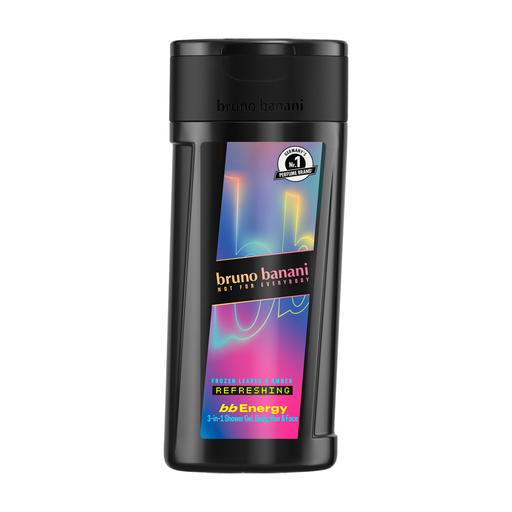
Why this product suits this profile: This 3-in-1 shower gel cleanses your face, body and hair, making it a useful option for travelling, taking to the gym or keeping your grooming routine simple.
The three intended uses are clearly stated. The formula also contains parfum and declared fragrance ingredients, so if you have sensitive facial skin, take particular care to check how well you tolerate it.
250 ml size, three stated uses and a fragranced fougère scent.
We’ve put together a comprehensive, regularly updated list of products that meet these strict selection criteria and fully comply with the safety regulations in force in the EU.
Apply a cleansing gel to damp skin, massage it in briefly and rinse thoroughly. Avoid the eye area. If the product gets into your eyes, rinse them with water. Stop using it if you develop redness, itching or a stinging sensation. For biocidal products such as hand sanitising gel, follow the instructions on the label; they are not the same as cosmetic facial cleansers.
A cleansing gel with a gentle formula, a concise INCI list and as little fragrance as possible can be a good starting point. Marketing claims alone can’t tell you how well your skin will tolerate a product. Try new products on a small area of skin first.
Check the best-before date and the open-jar symbol on the packaging. Store the product in a dry place, close it after use and keep it away from direct heat or strong sunlight. If the smell, colour or consistency changes, stop using the product.
It depends on what the product is specifically designed for and how it’s formulated. A facial cleanser is usually designed for the skin on your face, while shower gel is intended for the body. Only use a product on multiple areas if the manufacturer clearly says that you can.