
Lieferung heute & morgen

Qualitätsgarantie

Willkommens-Angebote freischalten: KOSTENLOSE Lieferung | Bis zu 80 % RABATT | Kostenlose 30-Tage-JoyPlus-Testphase
App herunterladen
A cleansing oil, also known as an oil cleanser, is the first step in many skincare routines to effectively remove makeup, sunscreen, and daily impurities. However, the market is flooded with products whose promises often outweigh their actual performance. Before you buy a new cleansing oil, it's crucial to understand the common pitfalls that can lead to a bad purchase.
Many users report two main problems:
These issues are often due to a suboptimal formulation or the wrong ingredients. Understanding the key parameters will help you avoid these traps.
To make an informed decision, you should check three technical aspects. These determine whether an oil cleanser will work for you or not.
A high-quality cleansing oil must contain emulsifiers. These are ingredients that allow the oil to bind with water. When you add water after massaging the oil into your skin, it should transform into a milky, lightweight emulsion.
This process is critical for the effectiveness of the Double Cleansing method, a cornerstone of Korean Skincare. The oil cleanser dissolves oil-based debris (makeup, sebum), and the second, water-based cleanser then removes water-soluble residues.
The type of oils used is crucial for compatibility, especially for blemish-prone or sensitive skin. Pay attention to the composition to find the right cleansing oil for sensitive skin or to combat blackheads.
The choice depends on your individual skin condition. A blanket rejection of certain oil types is rarely productive.
A good cleansing oil doesn't need a long list of fillers. Watch out for potentially irritating ingredients if you are prone to sensitivity.
Based on the criteria above, we have identified several products that are well-suited for specific needs and user profiles in the UK.
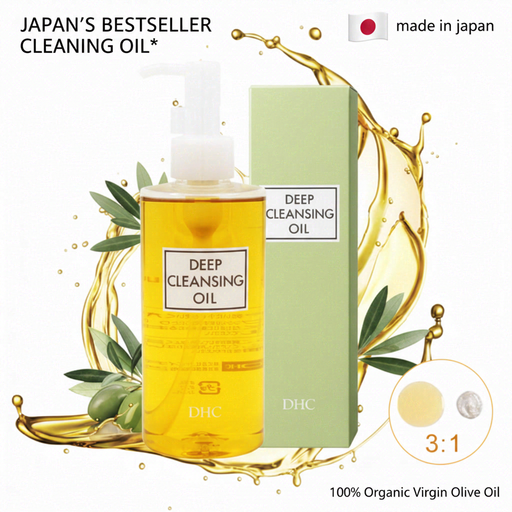
Why This Fits Their Persona: Anyone who wears long-lasting or waterproof makeup daily needs uncompromising cleansing power that doesn't strip the skin. This oil is renowned for its ability to dissolve even the most stubborn products effortlessly.
The olive oil-based formula emulsifies perfectly into a milk that rinses off completely, leaving no greasy film. It cleanses deep into the pores without drying out the skin.
High cleansing efficiency for waterproof makeup; rinses clean; rich in antioxidants.
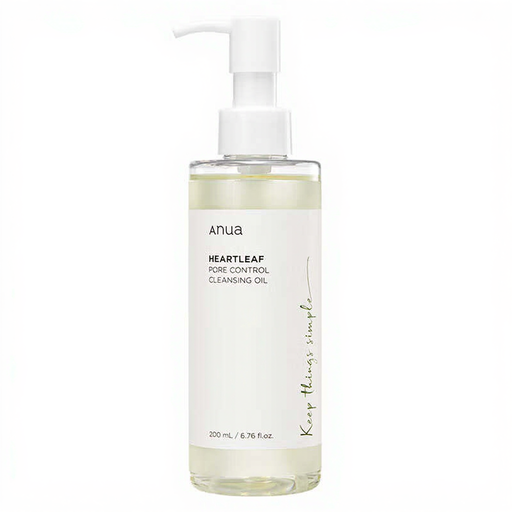
Why This Fits Their Persona: For users who are deeply engaged with Korean skincare and are looking for a targeted solution for clogged pores and blackheads. The lightweight texture is ideal for combination and oily skin types.
The non-comedogenic formula is designed to not clog pores. The soothing Heartleaf extract helps prevent the irritation that can occur when cleansing blemish-prone skin.
Lightweight texture; formulated for pore cleansing; contains skin-soothing Heartleaf extract.
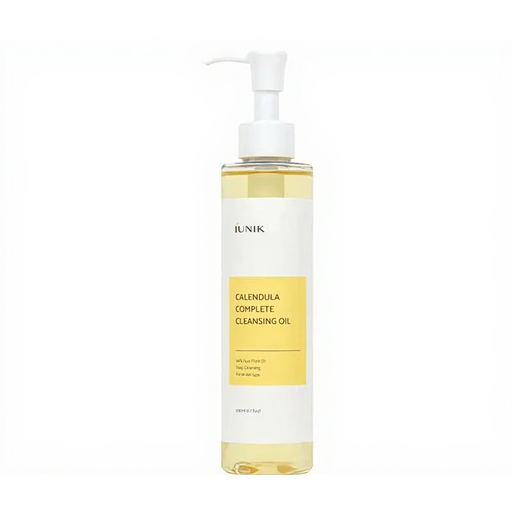
Why This Fits Their Persona: Those new to the world of oil cleansers or who have very reactive skin need a product that is gentle yet thorough. This oil combines effective cleansing with soothing properties.
The formula with Calendula extract is designed to soothe the skin during cleansing and minimise redness. Its base of 6 natural plant oils cleanses without compromising the skin barrier.
Contains soothing Calendula extract; suitable for young, oily, or acne-prone skin; good cleansing performance.
We have compiled a complete, up-to-date list of products that fully meet these strict selection criteria and all applicable safety regulations.
Yes, this is recommended for the Double Cleansing method. The cleansing oil is the first step to remove oil-soluble particles like makeup, sebum, and sunscreen. A subsequent water-based cleanser (e.g., a foam or gel) then removes sweat, dust, and any remaining impurities for a pore-deep clean.
Yes, absolutely. The principle of "like dissolves like" means that oil can very effectively break down excess sebum and trapped oily impurities in the pores. The key is to choose a non-comedogenic oil and ensure it rinses off completely to avoid further burdening the pores.
Always apply the oil to dry skin and massage it in thoroughly. Then, add a small amount of lukewarm water to your hands and massage your face again. The oil should now turn into a milky liquid (emulsify). Continue massaging, and then rinse everything off thoroughly with lukewarm water.