
Lieferung heute & morgen

Qualitätsgarantie

Willkommens-Angebote freischalten: KOSTENLOSE Lieferung | Bis zu 80 % RABATT | Kostenlose 30-Tage-JoyPlus-Testphase
App herunterladen
A cleansing oil is often the first step toward clear, balanced skin, but choosing the right product can be complicated. Many users worry that oil will clog their pores or leave behind a greasy film. These concerns are not unfounded and often result from choosing an unsuitable product. As your Joybuy Product Recommendation Officer, I'll help you understand the crucial features and avoid common purchasing pitfalls.
Before we get to the solutions, it's important to understand the problems. Many products on the market don't deliver on their promises. Watch out for these three typical weaknesses:
To avoid the problems mentioned above, you should check three technical aspects before buying. These determine whether a facial cleansing oil will work for you.
The most important feature of a cleansing oil is its ability to emulsify. This is achieved by surfactants (emulsifiers) that bind oil and water together.
The base of a cleansing oil consists of a blend of different oils. The choice of these oils determines whether the product is suitable for dry, sensitive, or oily skin.
Modern formulations, especially from the Korean Cleansing Oil and Japanese Cleansing Oil segments, often contain additional active ingredients that go beyond simple cleansing.
Here are three products that represent a considered choice for specific needs and skin types, based on the criteria above.
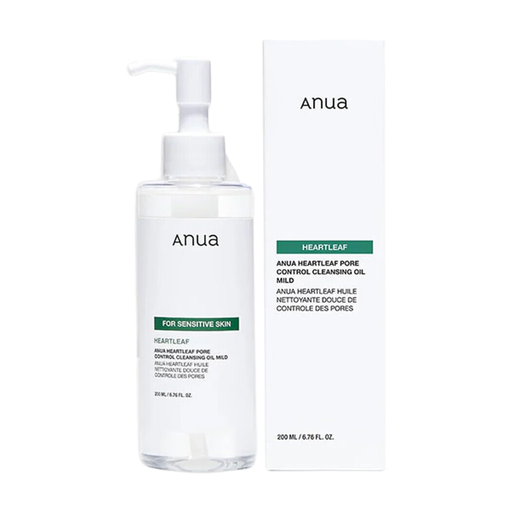
Why This Fits Their Persona: For users seeking a gentle yet thorough cleanse that won't aggravate redness and blemishes. The lightweight formula is ideal for daily use without weighing down the skin.
The non-comedogenic formula, based on lightweight oils and the addition of soothing Heartleaf extract, actively counteracts the risk of clogged pores and skin irritation.
Contains Houttuynia Cordata extract to soothe the skin. Emulsifies quickly and leaves the skin feeling clean and fresh.
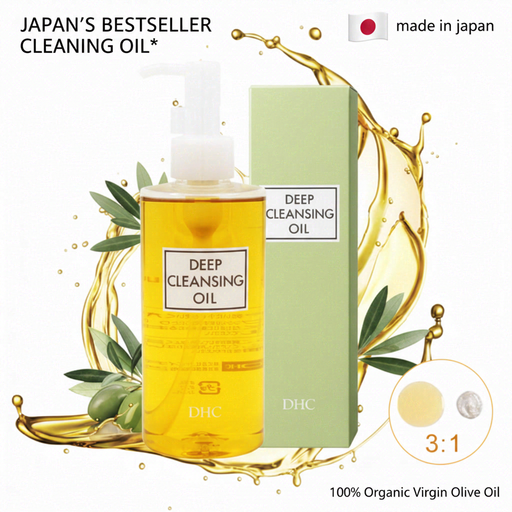
Why This Fits Their Persona: For those who wear long-lasting or waterproof makeup and sunscreen daily. They need a product that reliably removes everything without harsh rubbing or multiple applications.
This Japanese cleansing oil is renowned for its powerful cleansing ability. It effortlessly dissolves even the most stubborn products, thus avoiding the trap of ineffective cleansing and the need for skin-irritating rubbing.
Formulated with an olive oil base, which is rich in antioxidants. Dissolves makeup and impurities deep within the pores and rinses completely clean.
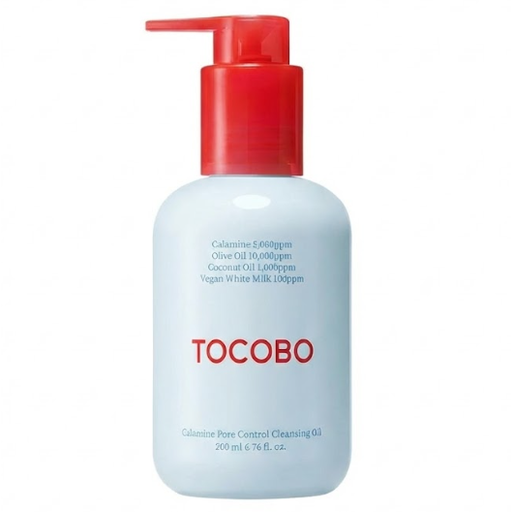
Why This Fits Their Persona: Ideal for people with oily skin who are concerned about a greasy feeling. This product aims to control excess sebum and refine the appearance of pores.
The formulation with calamine powder helps to absorb excess oil. It emulsifies instantly, leaving a fresh, non-greasy finish, thereby avoiding the oily film trap.
A vegan formula specifically designed for sebum and pore control. The lightweight texture is also suitable for sensitive skin.
We have compiled a complete, up-to-date list of products that fully meet these strict selection criteria and current regulations.
Using a water-based cleanser after an oil cleanser is known as Double Cleansing. This is often recommended to ensure all oily residue and dissolved impurities are completely removed from the skin. For those with very dry skin, a well-emulsifying cleansing oil may be sufficient on its own. However, for most skin types, especially oily or acne-prone skin, the two-step cleanse is beneficial.
Yes, using a cleansing oil can be very beneficial for oily skin. The "like dissolves like" principle means that the oil can effectively dissolve excess sebum and oily impurities in the pores. The key is to choose a non-comedogenic oil with a lightweight texture that rinses off completely to avoid further burdening the pores.
To use a cleansing oil for blackheads, gently massage the oil onto the dry, affected areas (e.g., nose, chin) for 1-2 minutes. The warmth and massage help to soften and dissolve the hardened sebum in the pores. Then, add water to emulsify the oil and continue massaging before rinsing thoroughly. Regular use can visibly reduce the appearance of blackheads.