
Lieferung heute & morgen

Qualitätsgarantie

Willkommens-Angebote freischalten: KOSTENLOSE Lieferung | Bis zu 80 % RABATT | Kostenlose 30-Tage-JoyPlus-Testphase
App herunterladen
A good cleansing oil is often the first step toward clarified and balanced skin. However, the market is saturated with products whose marketing promises often create more confusion than clarity. As your Joybuy Product Recommendation Officer, I'll help you identify the key features and avoid common purchasing pitfalls, so you can make an informed decision for your skincare routine.
Before we dive into the selection criteria, it's important to recognise common misconceptions and exaggerated marketing claims that often lead to poor purchases.
To find the right product, you should focus on objective, technical features rather than marketing buzzwords.
The foundation of any cleansing oil is its oil blend. Pay attention to the types of oils used. Some oils are known to be non-comedogenic, meaning they are less likely to clog pores. These include sunflower seed oil, safflower oil, and jojoba oil. If you are prone to blemishes, check the ingredient list for oils with a potentially higher comedogenic rating.
This is the most technically crucial aspect. A good cleansing oil must contain emulsifiers (e.g., Sorbeth-30 Tetraoleate, PEG-20 Glyceryl Triisostearate). These ingredients ensure that the oil transforms into a milky lotion upon contact with water. This is the only way it can be rinsed off completely without leaving a greasy residue. An oil that doesn't emulsify properly requires harsh rubbing and leaves behind a film that can clog pores. This step is the heart of the double cleansing method.
In addition to pure cleansing, additional ingredients can offer added value:
Here are some recommendations tailored to different needs and skin types that meet the criteria mentioned above.
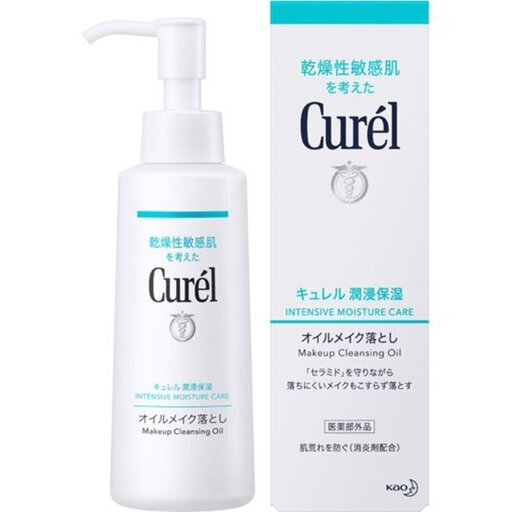
Why This Fits Their Persona: Ideal for those seeking an extremely gentle yet effective cleanse. The formula is specifically designed for the needs of dry, sensitive skin and is classified as a quasi-drug in Japan, underscoring its focus on skin compatibility.
Instead of leaning into the "all-natural" trend, this product relies on a science-backed formula proven to protect the skin's native ceramides. It demonstrates that a thoughtful formulation is more important than the mere origin of its ingredients.
Contains an anti-inflammatory active (Dipotassium Glycyrrhizate) and rinses off easily thanks to excellent emulsifiers, which minimises mechanical irritation to the skin.
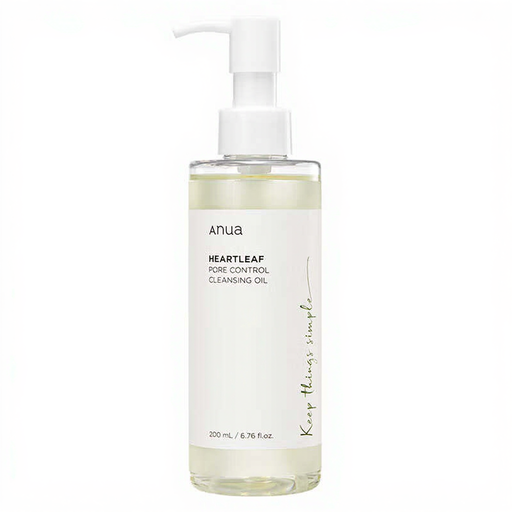
Why This Fits Their Persona: Perfect for users interested in **K-beauty cleansing** who are looking for a solution for clogged pores and skin irritation. Its lightweight formula is specifically designed for blemish-prone skin and has passed a non-comedogenic test.
Instead of a vague promise of "deep cleansing," this oil offers a targeted solution: its combination of effective emulsification and soothing Heartleaf extract addresses **pore cleansing** in a gentle yet effective way.
The non-comedogenic formula is suitable for acne-prone skin. The Heartleaf extract helps to soothe the skin during cleansing and reduce redness.
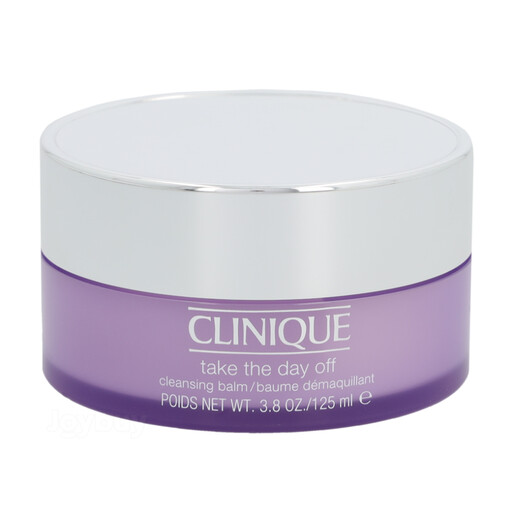
Why This Fits Their Persona: For anyone who needs a **makeup remover oil** for daily long-wear or waterproof makeup. This balm is a classic, renowned for its ability to effortlessly dissolve even the most stubborn products without drying out the skin.
This product demonstrates that texture (balm vs. oil) is a matter of preference. Its effectiveness lies in its balanced formula with Safflower Oil, which reliably dissolves makeup and rinses away without residue.
The solid balm texture transforms into a silky oil that is easy to spread. The formula is fragrance-free and suitable for all skin types, including sensitive skin.
1. Do I always need to use a second cleanser after a cleansing oil? Yes, this is recommended for a complete cleanse and is known as double cleansing. The cleansing oil removes oil-based impurities like makeup, sebum, and sunscreen. A subsequent water-based cleanser (e.g., a foam or gel) then removes water-based debris like sweat and dust particles. This optimally preps the skin for the next steps in your skincare routine.
2. Can cleansing oil cause more breakouts on oily skin? On the contrary, if you choose the right product. The "oil dissolves oil" principle is particularly effective here. A non-comedogenic cleansing oil can help gently dissolve excess sebum in the pores and balance sebum production in the long run without stripping the skin—which would often trigger an overproduction of sebum in response.
3. How can I tell if a cleansing oil emulsifies well? Here's a simple test: After massaging the oil into your skin, add a little lukewarm water to your face or hands. A good oil will immediately transform into a milky-white, thin emulsion. This allows it to be rinsed off easily without leaving a greasy film. If the oil remains clear or the water beads off, it lacks the necessary emulsifiers for a thorough cleanse.