
Lieferung heute & morgen

Qualitätsgarantie

Willkommens-Angebote freischalten: KOSTENLOSE Lieferung | Bis zu 80 % RABATT | Kostenlose 30-Tage-JoyPlus-Testphase
App herunterladen
Evening facial cleansing can often feel like a tedious chore, especially after a long day. Stubborn, waterproof makeup and sunscreen seem to cling to the skin, and conventional cleansers often leave behind a dry, tight feeling or, worse, residue that leads to clogged pores. A high-quality cleansing oil promises to solve these problems, but the market is flooded with products making exaggerated claims. Many users invest in an oil only to be disappointed when it leaves a greasy film or even worsens their blemishes.
To help you make the right choice, we'll highlight the most common purchasing pitfalls and explain the technical features that truly matter.
Choosing the wrong product not only leads to frustration but can also negatively impact your skin's appearance. Watch out for these common issues to make an informed decision.
To avoid the pitfalls mentioned above, you should check two key technical properties before buying. These determine whether a product will enhance or complicate your skincare ritual.
The fundamental principle of a cleansing oil is: Like dissolves like. Oil-based impurities on the skin—such as sebum, sunscreen, and long-wearing makeup—are most effectively dissolved by another oil. High-quality formulations rely on plant-based oils that not only cleanse but also provide nourishing benefits. A classic example is olive oil facial cleansing, which has a long tradition in Japanese skincare. Products like the DHC Deep Cleansing Oil harness the power of olive oil to gently remove even waterproof makeup without drying out the skin. Pay attention to the composition and prioritise non-comedogenic oils optimised for facial use.
A makeup remover oil must rinse away without a trace. For this, emulsifiers are essential. These ingredients allow the oil to bind with water, forming a stable, milky liquid that is easily rinsed from the skin. A good cleansing oil leaves no greasy residue after rinsing, but rather clean, soft, and hydrated skin. This step is the foundation of the double cleansing method, where a water-based cleanser is used afterwards to completely free the skin of all residues and optimally prepare it for subsequent skincare. Good emulsification is therefore a non-negotiable quality benchmark, especially for facial cleansing for clogged pores.
Based on the criteria above, we have identified several products suitable for specific needs and lifestyles.
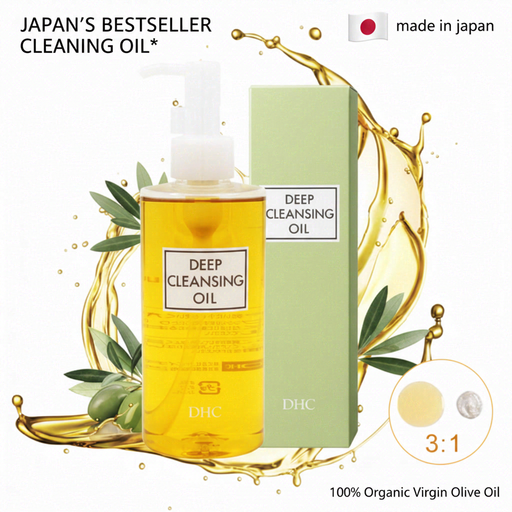
Why This Fits Their Persona: For users seeking an authentic and proven solution from Japanese skincare. This product is a cult classic, renowned for its effectiveness and high-quality formulation.
The organic olive oil-based formula emulsifies completely into a milk on contact with water, rinsing off without a trace and leaving no greasy film.
Effortlessly dissolves stubborn, waterproof makeup and deeply cleanses pores to prevent impurities. Rich in antioxidants.
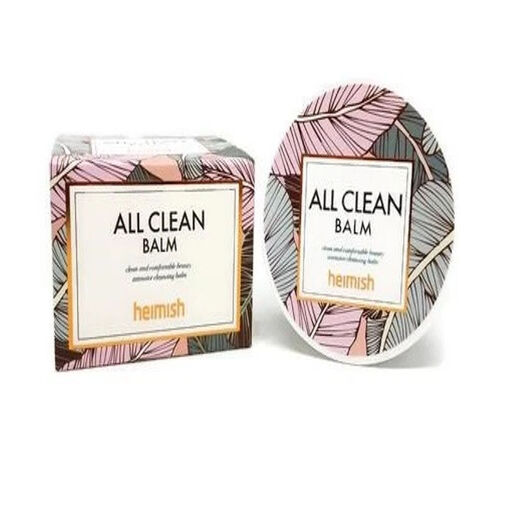
Why This Fits Their Persona: Ideal for individuals with sensitive skin who are looking for a gentle yet thorough cleansing solution. The balm texture minimises friction and is free from potential irritants.
The hypoallergenic, plant-oil-based formula transforms into a silky oil and emulsifies cleanly without irritating or drying out the skin. Free of mineral oil.
The solid balm texture is convenient for travel and allows for a clean, drip-free application. Leaves skin feeling soft and hydrated.
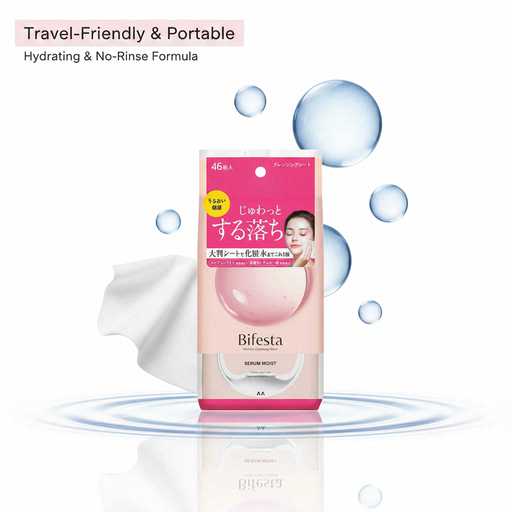
Why This Fits Their Persona: For users who need an extremely fast and hassle-free solution for on-the-go, after the gym, or for late nights when a full cleansing routine isn't practical.
As a water-based micellar product, it completely bypasses the problems of emulsification and greasy residue. The micellar technology encapsulates dirt and makeup.
No water rinse required. The moisturising formula with hyaluronic acid prevents dryness. The airtight lid keeps the wipes fresh.
We have compiled a complete, real-time list of products that fully meet these strict selection criteria and safety standards.
Yes, this is recommended for an optimal skin cleanse. This method is known as double cleansing. The cleansing oil in the first step dissolves and removes oil-based impurities like makeup, sebum, and sunscreen. A subsequent water-based cleanser (e.g., a gel or foam) then removes water-soluble residues such as sweat and environmental dirt. This two-step process ensures the skin is completely cleansed without stripping its natural moisture barrier.
Yes, contrary to popular belief, a well-formulated cleansing oil is also very suitable for oily and blemish-prone skin. The "like dissolves like" principle means that the oil can effectively dissolve excess sebum in the pores. A thorough facial cleansing for clogged pores can thus help reduce the formation of blackheads and pimples. The key is to choose a non-comedogenic product that rinses off completely.
The main difference lies in the texture and physical state at room temperature. A cleansing oil is liquid, whereas a cleansing balm has a solid, waxy consistency that melts into an oil upon contact with the skin. Both function on the same principle of oil cleansing and emulsify with water. Balms are often considered more convenient for travel and less messy to apply. The choice between the two is ultimately a matter of personal preference.