
Lieferung heute & morgen

Qualitätsgarantie

Willkommens-Angebote freischalten: KOSTENLOSE Lieferung | Bis zu 80 % RABATT | Kostenlose 30-Tage-JoyPlus-Testphase
App herunterladen
Make-up, sun cream, excess sebum and dirt can often be removed with an oil-based cleanser without vigorous rubbing. However, not every cleansing oil and cleansing balm for the face is suitable for the same purpose. Texture, emulsification and ingredients determine whether the product rinses off comfortably and fits into your skincare routine.
Terms such as pore cleansing, removing blackheads or dissolving sebum usually refer to removing surface make-up, skin oils and residue. A cleansing oil or cleansing balm can loosen these substances during massage. However, it does not permanently change the size of your pores. Avoid intensive massage on inflamed or persistent skin concerns.
A stated suitability for sensitive skin is not a consistent, legally defined performance guarantee. Therefore, check the full ingredients list on the packaging. Fragrances, essential oils or certain preservatives may be relevant for some people. If you have sensitive skin, a cautious patch test on a small area is recommended.
A cleansing oil or balm should combine with water to form a milky emulsion. This process is known as emulsification. If it is incomplete, rinsing may feel uncomfortable. Even a product that emulsifies well should not be applied in a rush: a short, gentle massage followed by thorough rinsing with lukewarm water is essential.
A cleansing oil is liquid and can be dispensed directly from a pump bottle. This is practical for daily facial cleansing and for anyone who regularly removes sun cream or make-up. A cleansing balm is initially solid or creamy and melts onto dry skin. It is less likely to leak during travel, but usually requires a spatula or clean, dry hands.
Pay attention to the recommended amount. For many oils, manufacturers recommend two to three pumps. A balm is often used in an amount roughly the size of a hazelnut or pea, depending on the layer of make-up.
The ingredients list can provide clues as to whether a product is designed to be used with water. Manufacturers use emulsifiers such as Sorbeth-30 Tetraoleate or PEG-based ingredients for this purpose, among others. A precise assessment requires the full INCI list; this may vary from batch to batch and should always be checked against the packaging.
Good rinsing performance does not automatically mean that a second cleansing step is unnecessary. If you prefer Korean facial cleansing or Double Cleansing, use a water-based cleanser afterwards. With light sun cream or a small amount of make-up, an oil may also be sufficient on its own, depending on how your skin feels.
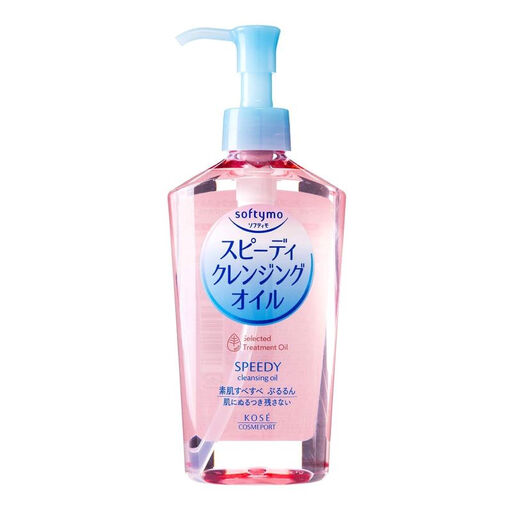
Why this product suits this profile: The liquid texture and the option of applying it with damp hands make it practical for anyone new to facial cleansing. According to the product description, the formula is free from alcohol, fragrances, colourants and parabens.
The manufacturer's instructions specify rinsing with lukewarm water. Nevertheless, you should check the actual INCI list on the packaging delivered.
240 ml content, liquid oil texture and intended removal of make-up and impurities.
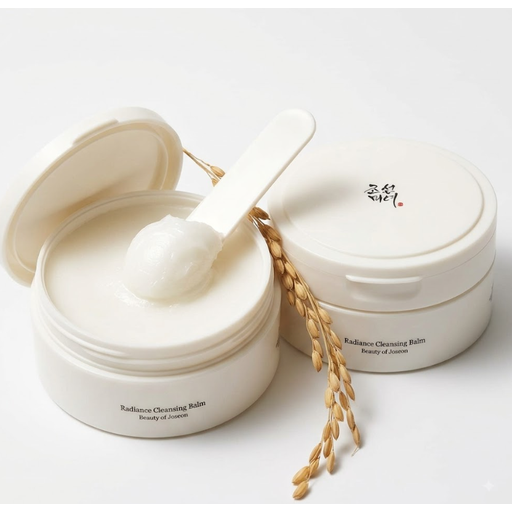
Why this product suits this profile: The balm changes from a solid texture to an oil and then to a milky emulsion. Rice Bran Oil and Rice Seed Water are listed as ingredients in the product description.
The clearly described transformation makes it easier to monitor the rinsing process. After use, a water-based cleanser is recommended for Double Cleansing.
100 ml content, balm-to-oil texture and use for make-up, sun cream and excess sebum.
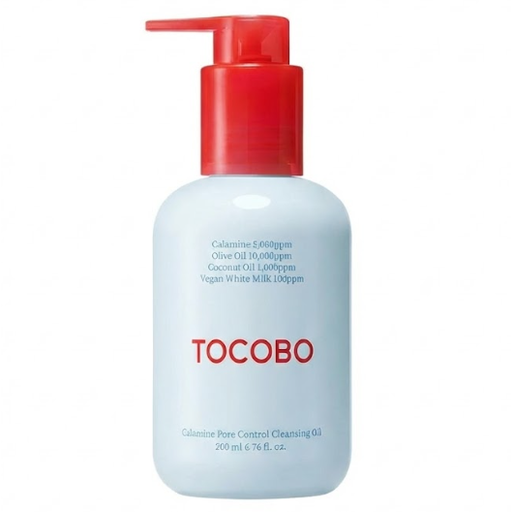
Why this product suits this profile: The lightweight oil texture is designed for the daily removal of make-up, sun cream and excess sebum. Calamine and plant oils are listed as ingredients, and the brand describes the formula as vegan.
The instructions explicitly describe emulsifying with water. However, when caring for pores, you should still massage gently and avoid squeezing blackheads.
200 ml content, pump bottle and stated use for waterproof make-up and sun protection.
We have put together a complete, regularly updated list of products that fully meet these strict selection criteria and the safety regulations applicable in the EU.
According to manufacturers' instructions, many formulas are designed to dissolve waterproof products. For particularly long-wearing eye make-up, a specialist eye and lip make-up remover may be useful. Allowing the product to work briefly without rubbing reduces mechanical stress.
No. Double Cleansing is an optional cleansing routine. It can be useful when wearing a lot of make-up, waterproof sun protection or dealing with heavy dirt. If you have dry or sensitive skin, adjust how often you use it according to how your skin feels.
The best-before date and the open-jar symbol on the packaging are the key points of reference. Pump bottles and clean hands help protect the contents from unnecessary contact. If the smell, colour or consistency changes, stop using the product.