
Lieferung heute & morgen

Qualitätsgarantie

Willkommens-Angebote freischalten: KOSTENLOSE Lieferung | Bis zu 80 % RABATT | Kostenlose 30-Tage-JoyPlus-Testphase
App herunterladen
A new generation of smartphones, like the iPhone 16 or Samsung Galaxy S25, captivates with sophisticated designs and colourways. Understandably, many owners don't want to hide this aesthetic under a bulky case. A clear phone case seems like the ideal solution. However, the market is flooded with products that overpromise and underdeliver. Before you make a decision, you should be aware of the most common pitfalls that lead to disappointment and, in the worst-case scenario, a damaged device.
The 3 Most Common Problems with Transparent Cases:
To avoid these problems, it's crucial to understand the essential characteristics of a high-quality transparent case. Your choice should be based on objective criteria, not marketing promises.
The material is decisive for a case's durability and protective performance. The most common plastics are:
transparent silicone case is often made of TPU. High-quality TPU contains additives that slow down the yellowing process. It is ideal for the frame of a shock-absorbent case.Many manufacturers combine a flexible TPU frame with a hard PC backplate to leverage the benefits of both materials: shock absorption at the edges and scratch resistance on the surface.
A good transparent protective case offers more than just a barrier against scratches. Look for the following features:
For owners of newer iPhones, MagSafe functionality is a key consideration. A simple slim phone case can weaken the magnetic force. A dedicated clear MagSafe case has an integrated magnetic ring that ensures full compatibility with chargers, wallets, and mounts. For other devices, the same principle applies: check if the case is optimised for wireless charging (Qi standard) and doesn't interfere with its function.
Based on these objective criteria, we have identified several products that offer a suitable solution for different user profiles.
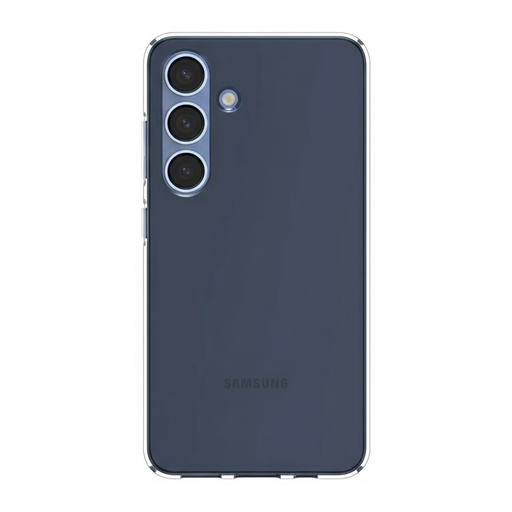
Why it's a good fit: Ideal for users who want to showcase the original, unaltered design of their Samsung Galaxy S25. The case is slim, lightweight, and adds minimal bulk, while still providing solid, everyday protection.
The flexible yet high-quality TPU material ensures a precise fit without air bubbles. It is also more resistant to yellowing than many generic products.
Preserves the slim profile and feel of the smartphone; fully supports wireless charging without restriction.
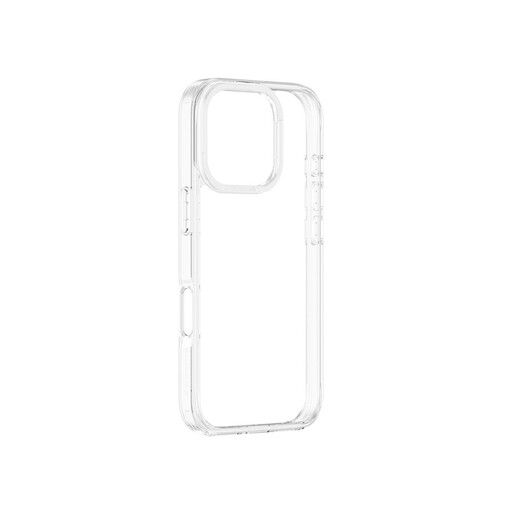
Why it's a good fit: Perfect for anyone who values their iPhone 16 Pro's design but won't compromise on protection against drops and scratches. This case combines a transparent look with robust protective technology.
This case avoids the trap of purely illusory protection. According to the manufacturer, it offers drop protection for falls from up to 2 metres, effectively safeguarding against costly damage.
Reinforced TPU frame for shock absorption and DefendEdge technology with raised edges to protect the camera and display.
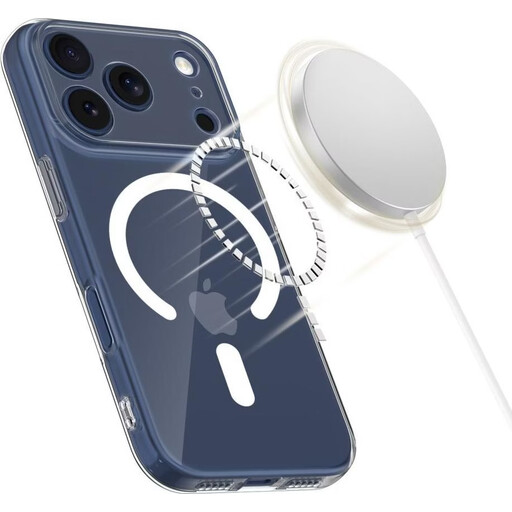
Why it's a good fit: Designed for users who want to fully leverage the MagSafe ecosystem—from chargers to wallets—without removing the case, all while preserving their iPhone's look.
This clear MagSafe case integrates a visible magnetic ring that ensures full functionality. This is a feature missing from many standard TPU cases, which can result in a weak magnetic connection.
Full MagSafe compatibility in a slim, transparent design that offers protection against everyday scratches and minor bumps.
We have compiled a complete, up-to-date list of products that fully meet these strict selection criteria and UK regulations.
The rate of yellowing heavily depends on the quality of the TPU material used. Inexpensive cases can show visible discolouration after just a few weeks. Higher-quality models contain special additives that slow down the chemical process caused by UV light and oils. A case with a hard polycarbonate back is generally less susceptible to yellowing than a pure TPU case.
This claim usually refers to tests conducted according to the US military standard MIL-STD-810G. In these tests, the device and case are dropped multiple times from a specified height (e.g., 1.2 or 2 metres) onto a hard surface. If it passes the test without functional damage, the standard is considered met. It's a good indicator of enhanced shock resistance, but not an absolute guarantee against all damage.
Most thin cases made of TPU or PC under 3mm thick do not interfere with wireless charging (Qi standard). However, very thick cases or those with metal elements (other than specialised MagSafe rings) can disrupt or slow down the charging function. For MagSafe use, a case with integrated magnets is required to ensure a secure connection and optimal charging speed.