
Lieferung heute & morgen

Qualitätsgarantie

Willkommens-Angebote freischalten: KOSTENLOSE Lieferung | Bis zu 80 % RABATT | Kostenlose 30-Tage-JoyPlus-Testphase
App herunterladen
A clear phone case, often called a transparent case, is a popular choice for owners of premium smartphones. It protects the device from the hazards of daily life without hiding the manufacturer's meticulously crafted design. However, the market is flooded with products whose promises often don't hold up in practice. Before you make a decision, it's crucial to understand the most common pitfalls to avoid a bad investment.
Many users report three key problems:
This guide will help you navigate these issues and find a transparent case that performs as promised for the long term.
To make an informed purchasing decision, you should examine three core technical aspects. These features determine the durability, functionality, and level of protection your case will offer.
The material is the single most important factor for the longevity and appearance of your case. Most transparent cases are made from two primary materials:
A proven solution is hybrid cases, which combine a flexible TPU frame for shock absorption with a hard PC backplate for clarity and scratch resistance. This construction offers a balanced compromise between protection and durability.
For users of Apple devices like the iPhone 17, MagSafe functionality is a key criterion. There's a crucial distinction to understand here:
A shockproof case isn't defined by its thickness, but by its smart design features. Look for two critical details:
The right case depends on your individual priorities. Here are some recommendations tailored to different user profiles.
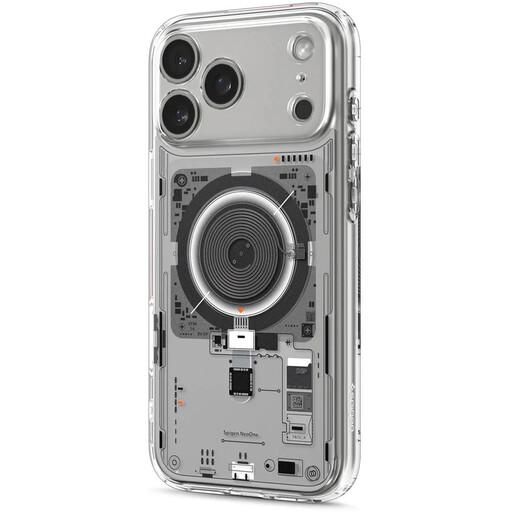
Why This Fits Their Persona: Ideal for users who want to showcase their iPhone's original design without compromising on strong MagSafe functionality and reliable protection.
The hybrid construction with a hard PC backplate resists yellowing more effectively than pure TPU cases. The integrated magnetic ring ensures a secure MagSafe connection, bypassing the problem of weak adhesion.
Combines lasting clarity (PC backplate), shock protection via Air Cushion Technology, and a strong, integrated MagSafe ring.
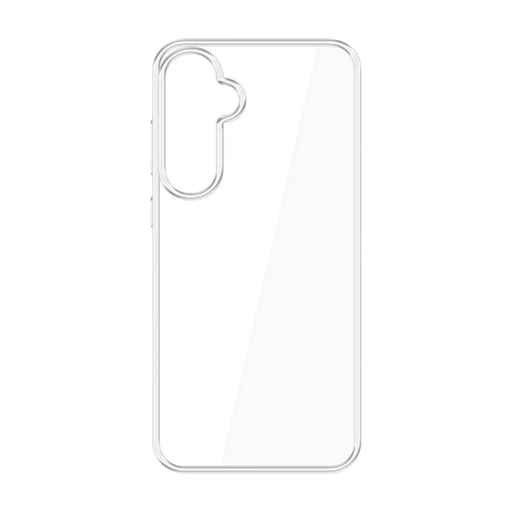
Why This Fits Their Persona: Perfect for Samsung Galaxy S25 users who prioritise maximum protection but don't want to sacrifice a transparent look. The focus here is on proven durability.
This case avoids the "inadequate protection" pitfall by offering a concrete, verifiable standard of protection. According to the manufacturer, it meets military-grade standards for drop tests from a height of 175 cm.
Certified military-grade drop protection and raised edges for screen and camera protection provide a high level of security.
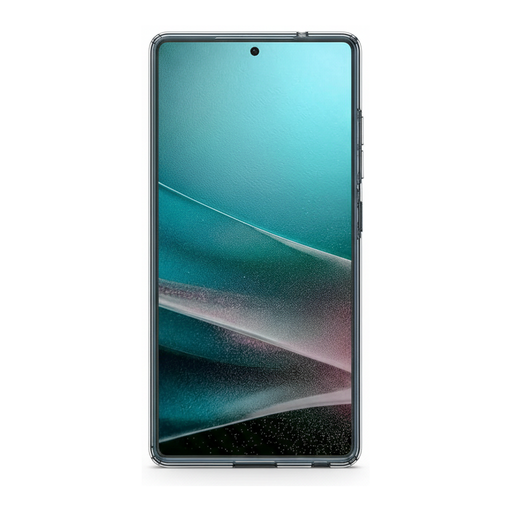
Why This Fits Their Persona: An excellent choice for users seeking reliable baseline protection that showcases their Samsung Galaxy S25 Ultra's design without breaking the bank.
This case relies on proven, flexible TPU material known for its shock-absorbing properties. It doesn't make unrealistic anti-yellowing promises, instead offering a solid, transparent basic case.
Slim, lightweight, and flexible design that offers a great compromise between protection and minimalist aesthetics. Precise cutouts ensure full functionality.
We have compiled a complete, up-to-date list of products that fully meet these strict selection criteria.
The most common cause of yellowing is the material. Cases made of flexible TPU (Thermoplastic Polyurethane) react to UV radiation (e.g., sunlight) and heat. This natural oxidation process leads to the yellowish discolouration. Cases with a PC (Polycarbonate) back or those with special anti-yellowing coatings are generally more resistant, but no case is permanently 100% immune to this effect.
No. For MagSafe to work reliably, a case needs an integrated magnetic ring. Many thin cases are advertised as "compatible" because the iPhone's magnetic field can weakly penetrate them, but the adhesion is often insufficient. For a stable connection, especially with car mounts or wallets, you should explicitly choose a case with MagSafe and built-in magnets.
To clean your clear case, it's best to use a soft, lint-free cloth lightly dampened with water and a mild soap solution. Wipe the case inside and out, then dry it thoroughly. Avoid harsh cleaning agents, alcohol, or abrasive materials, as they can damage the surface and accelerate the yellowing process.