
Lieferung heute & morgen

Qualitätsgarantie

Willkommens-Angebote freischalten: KOSTENLOSE Lieferung | Bis zu 80 % RABATT | Kostenlose 30-Tage-JoyPlus-Testphase
App herunterladen
A high-quality table is often the centerpiece of the home—whether it's a solid wood dining table, a modern kitchen counter, or a desk with a delicate finish. To shield these surfaces from scratches, stains, and everyday wear without hiding their beauty, a transparent table protector is a go-to solution.
But making the right purchase isn't as simple as it seems. Many products fail to live up to their promises, leading to disappointment and wasted money. As your Joybuy Product Recommendation Officer, I'm here to help you navigate the common pitfalls and make an informed decision.
Before you invest, you should be aware of the most common issues found in low-quality protectors. These problems often cause the cover to become unsightly after a short time or even damage the table itself.
To avoid these problems, focus on three objective criteria. These will determine the durability, functionality, and appearance of your table protector.
The thickness of the protector is the most important parameter for its protective performance and longevity.
For most households, a 2 mm thick protector represents the ideal balance of protection, aesthetics, and handling.
Choosing the right finish for the underside of the protector is crucial to avoid the dreaded bubble effect.
A high-quality washable PVC tablecloth should be made from low-odor, food-grade polyvinyl chloride. Look for products described as waterproof and oil-proof. This ensures that stains from coffee, wine, or sauces can be easily wiped away with a damp cloth without leaving a trace. When buying a custom-cut table protector, it is also advisable to take exact measurements and check if the manufacturer allows for a small tolerance for potential shrinkage.
Here are three recommendations tailored to different needs and table types that meet the quality criteria mentioned above.
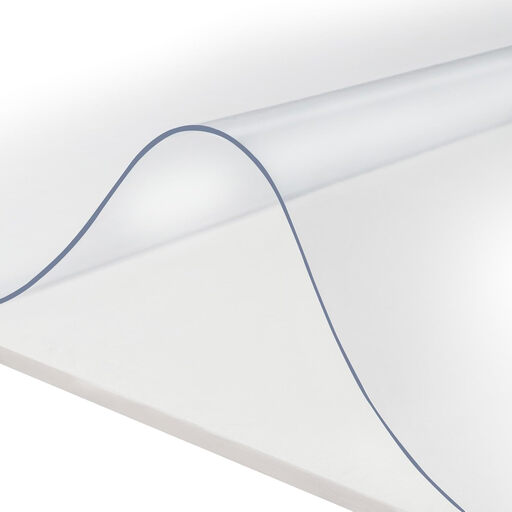
Why This Fits Their Persona: Ideal for families and anyone looking for a straightforward and robust solution for their wood or matte-finish dining table. The focus is on functionality and durability for daily use.
With a thickness of 2 mm, this model avoids the "too thin" trap and offers solid protection. Since it's designed for matte surfaces, there's no risk of bubbling on wooden tables.
The dense PVC structure is completely waterproof and oil-proof, making cleanup extremely easy. Heat resistance up to 80°C protects against warm plates.
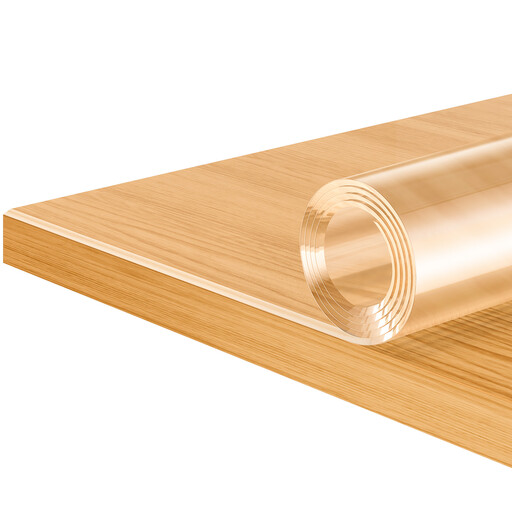
Why This Fits Their Persona: Perfect for users who value a premium feel and a high-quality finish. The beveled edge is not only safer but also gives the protector an appearance almost like a glass top.
The 45° V-cut edge solves the problem of sharp, unpleasant edges common with many cut-to-size protectors. The 2 mm thickness ensures dimensional stability and prevents shrinkage.
The beveled edge enhances comfort, as arms can rest on it pleasantly, and it minimizes the risk of injury. The glass-like clarity preserves the table's appearance.

Why This Fits Their Persona: Suitable for large dining tables, kitchen counters, or as a durable clear desk pad. The generous dimensions and robust construction are designed for heavy use.
The description mentions a length tolerance to account for potential shrinkage—a direct countermeasure to the inaccuracy trap. The 2 mm thickness provides the necessary durability.
The material is described as high-density PVC, which promises high resistance to wear and tear. The protector can be easily trimmed to size with scissors or a utility knife if needed.
We have compiled a complete, up-to-date list of products that fully meet these strict selection criteria and quality standards.
1. How do I get the table protector flat after unrolling it? Since the protectors are delivered rolled up, they need some time to flatten out completely. Place the protector on the table and weigh down the corners and any waves with heavy books for 24-48 hours. Alternatively, you can gently warm the protector with a hairdryer on a low setting (keeping a safe distance) to speed up the process.
2. Does a clear PVC table protector turn yellow over time? High-quality PVC protectors contain UV stabilizers that slow down rapid yellowing from sun exposure. However, with continuous, direct, and strong sunlight, slight discoloration can occur over several years. With normal indoor use, this is a very slow process.
3. Can I place hot pots directly on the protector? No. Most PVC protectors are heat-resistant up to about 60-80°C. This is sufficient for warm plates or cups. However, a hot pot or pan straight from the stove would permanently damage the protector, leaving behind warping or marks. Always use separate trivets for hot cookware.