
Lieferung heute & morgen

Qualitätsgarantie

Willkommens-Angebote freischalten: KOSTENLOSE Lieferung | Bis zu 80 % RABATT | Kostenlose 30-Tage-JoyPlus-Testphase
App herunterladen
A high-quality tabletop—whether solid wood, glass, or modern lacquer—is an investment. You want to protect it without hiding its aesthetic under an opaque tablecloth. A clear table protector seems like the ideal solution. However, the market is flooded with products whose quality differences are barely noticeable at first glance. The wrong choice often leads to disappointment: unsightly air bubbles, inadequate protection, or a cheap-looking finish.
As your Joybuy Product Recommendation Officer, I'm here to help you identify the crucial features and avoid marketing traps. This guide focuses on the facts, so you can make an informed decision to protect your furniture.
Many buyers regret their decision within just a few weeks. This is often due to three overlooked product features that mark the difference between a durable protective solution and a source of frustration.
To avoid these pitfalls, you should check three core parameters before buying. These define the functionality and longevity of your protective film.
Thickness is not just a marketing gimmick; it's a direct measure of protection and premium feel.
The texture of the film's underside is crucial to prevent the aforementioned air bubbles.
Two details that significantly impact everyday user comfort.
Based on these objective criteria, we have identified several products that are well-suited for specific user profiles.
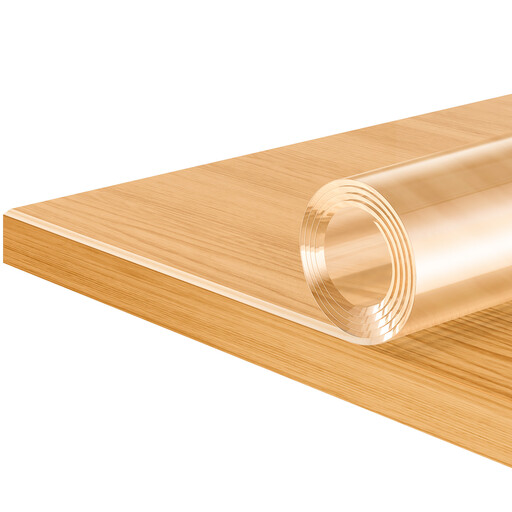
Why This Fits Their Persona: In a busy family home, a table protector must be robust, safe, and easy to clean. This model combines a durable 2mm thickness with a thoughtful safety feature: beveled edges. This turns the dining table into a safe zone for homework, meals, and craft sessions.
The 45° V-cut design prevents the sharp edges found on cheaper films, which can cause scratches on children and are uncomfortable for adults. The robust thickness also prevents rapid wear and tear.
Beveled edges: Increased comfort and safety.
Easy to clean: Water- and grease-repellent surface that wipes clean effortlessly.
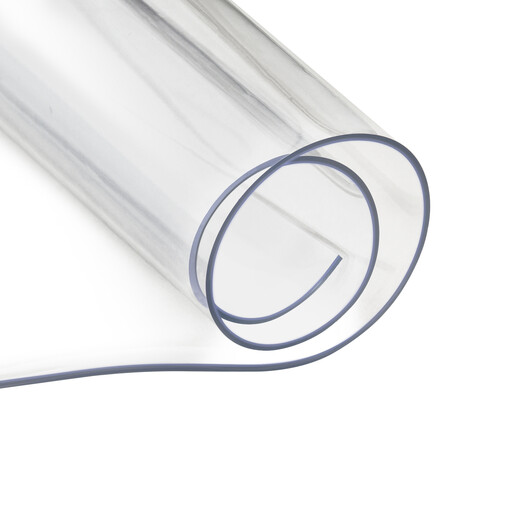
Why This Fits Their Persona: Anyone who owns a valuable wooden table wants to protect it from daily life without hiding its grain and color. This highly transparent protective film for dining tables offers exactly that: maximum protection with minimal visual impact on matte or oiled wood surfaces.
Thanks to its high transparency and smooth texture, it avoids the milky or cloudy look of thinner films on suitable (non-high-gloss) surfaces. The 2mm thickness ensures it lies flat and doesn't ripple.
High transparency: Preserves the natural look of the tabletop.
Durability: Effectively protects against scratches, stains, and wear.

Why This Fits Their Persona: A desk or workbench endures heavy use. This film serves as a resilient work mat, protecting against scratches from keyboards, marks from pens, or glue residue from crafting. The ability to easily cut it to size allows for a perfect fit on any work surface.
Unlike thin, soft mats, the 2mm thick PVC layer provides a firm and stable surface that also works as a writing pad without the pen pressing through. It is robust enough for daily, intensive use.
Customisable cut: Can be trimmed to fit any table shape with a sharp utility knife.
High durability: Ideal for work areas with high mechanical stress.
We've compiled a complete, up-to-date list of products that meet these strict selection criteria.
1. How do I get the table protector to lie flat after unrolling it?
PVC films are rolled for shipping. After unpacking, they need time to flatten out. Lay the film on the table with the curl facing down and weigh down the corners and center with heavy books. It should lie flat after 24 to 48 hours. Alternatively, you can speed up the process by gently warming the film with a hairdryer on a low setting and from a safe distance while smoothing it out.
2. Can I use a clear table protector on a glass table?
Using a standard, high-gloss film on glass or high-gloss lacquered tables is not recommended, as it leads to air pockets (bubbling). For such surfaces, special films with a one-sided matte texture are a better choice, as they prevent direct, full-surface contact.
3. How heat-resistant is a PVC table protector?
Most PVC films, especially those with a 2mm thickness, are heat-resistant up to about 60–80°C. This is sufficient for warm plates from the dining table. However, they are not designed to handle hot pots, pans, or casserole dishes straight from the stove or oven. In such cases, always use a suitable trivet to prevent permanent damage to the material.