
Lieferung heute & morgen

Qualitätsgarantie

Willkommens-Angebote freischalten: KOSTENLOSE Lieferung | Bis zu 80 % RABATT | Kostenlose 30-Tage-JoyPlus-Testphase
App herunterladen
A high-quality table is often the centrepiece of a home—whether it's the dining table for shared meals, the desk in your home office, or the kitchen countertop. But daily life takes its toll: scratches from keys, stains from spilled drinks, or heat damage from a hot mug. A clear table protector seems like the ideal solution to preserve your tabletop's appearance while shielding it from harm.
However, the purchase often leads to disappointment. Many protectors develop bubbles after a short time, offer little protection, or quickly turn yellow. Before you make a decision, it's crucial to understand the most common pitfalls that can lead to buyer's remorse.
transparent table film creates unsightly air pockets (bubbles). These cannot be removed and will completely ruin the aesthetic.heat-resistant table protectors without specifying a concrete temperature limit. A protector that is only resistant up to 60°C can be permanently damaged by a single hot coffee mug.To avoid these problems, you should base your choice on objective criteria. Three parameters are crucial for the durability and functionality of your table protector.
The thickness of the protector is the most important factor for its protective performance and durability.
scratch-resistant table protection.2mm table protector: This is the standard for heavily used surfaces like dining and kitchen tables. A 2 mm protector lies flatter and more securely due to its own weight, dampens the noise of dishes, and effectively protects against dents and deeper scratches. It is the more robust choice for long-term use.The finish of your tabletop determines which type of protector is suitable.
transparent tablecloth can be used without issue. It adheres well without forming bubbles.A good wipeable PVC tablecloth should make daily life easier, not harder. Look for clear manufacturer specifications. A heat resistance of up to 80°C is a good benchmark for protecting the table from warm plates and mugs. However, note that no PVC protector is suitable for hot pots or pans placed directly from the stove. Maintenance should be straightforward—a damp cloth and mild dish soap are usually sufficient. Many protectors are offered as a custom-cut table protector or can be easily trimmed yourself with a sharp knife and a straight edge.
Based on these criteria, we have identified several products that provide a suitable solution for specific user profiles.
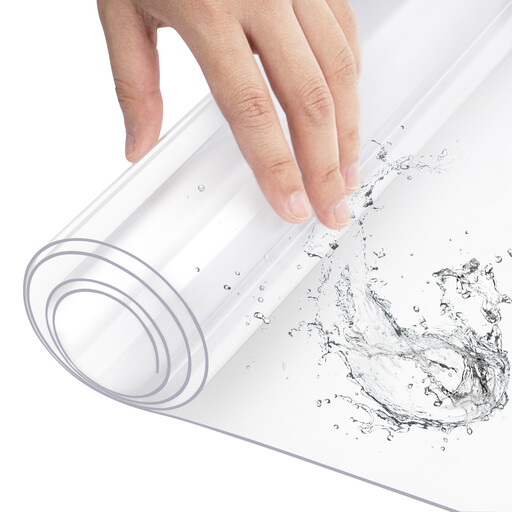
Why This Fits Their Persona: Ideal for users seeking basic protection for less-used tables, like side tables or desks. It offers a cost-effective solution to shield the surface from light scratches and spills.
The product description explicitly states it's not suitable for high-gloss surfaces, thus avoiding the bubble trap. Its 1mm thickness is clearly positioned for light-duty protection.
Excellent value for basic protection. According to the manufacturer, the material is waterproof, wipeable, and can be easily cut to size.
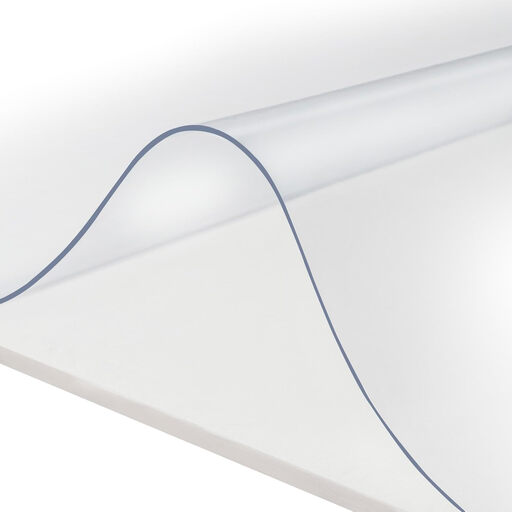
Why This Fits Their Persona: Perfect for the heavily used dining table in a home with children. The robust 2mm thickness provides reliable protection against impacts, scratches, and spills in a busy family environment.
With a thickness of 2 mm, this product avoids the pitfall of thin, inadequately protective films. The manufacturer's heat resistance specification (up to 80°C) is specific, avoiding vague promises.
High durability and longevity. The thick protector lies flat and doesn't slip. It is also completely waterproof and very easy to clean.
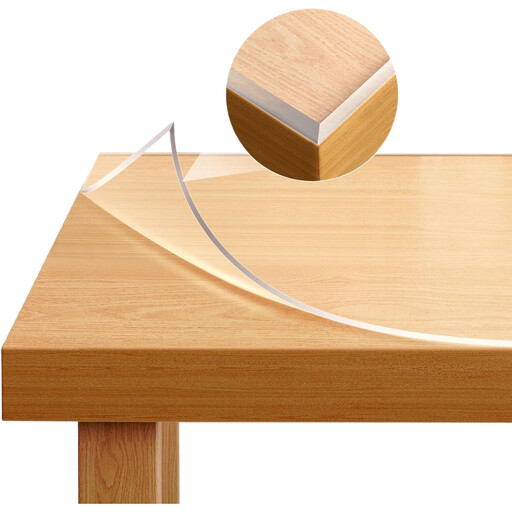
Why This Fits Their Persona: For users who value aesthetics and feel. The bevelled edges (45° chamfer) provide a high-end look and a comfortable feel when resting arms on the table's edge.
This product addresses the aesthetic drawbacks of basic protectors. The bevelled edge eliminates the sharp feel and enhances the overall appearance. The manufacturer also warns about the bubbling issue on high-gloss tables.
The bevelled edge is a key differentiator, offering superior comfort and a more refined look. The 2mm thickness simultaneously provides robust protection.
We've compiled a complete, up-to-date list of products that fully meet these strict selection criteria and safety standards.
1. How do I get a rolled-up table protector to lie flat? For shipping purposes, PVC protectors are delivered rolled up. To flatten one, unroll it and lay it flat on the table for 24 to 48 hours. Weigh down the corners and edges with heavy books. Alternatively, you can gently warm the protector with a hairdryer on a low setting while smoothing it out.
2. Can I use a clear table protector on a glass table? Using a standard, crystal-clear protector on glass, high-gloss lacquer, or other polished surfaces is not recommended, as it will create air pockets that look like bubbles or wet spots. For these types of tables, you should choose a protector with a one-sided matte finish to prevent this effect.
3. How long does a PVC table protector last? The lifespan heavily depends on the material's thickness and the intensity of use. A high-quality dining table protector that is 2 mm thick can last for several years with proper care. Thinner protectors (1 mm) may show signs of wear, such as scratches or discolouration, more quickly under heavy daily use and may need to be replaced sooner.