
Lieferung heute & morgen

Qualitätsgarantie

Willkommens-Angebote freischalten: KOSTENLOSE Lieferung | Bis zu 80 % RABATT | Kostenlose 30-Tage-JoyPlus-Testphase
App herunterladen
A high-quality table is often the centerpiece of the home—a place for shared meals, homework, or social evenings. Protecting it from scratches, stains, and daily wear is an understandable concern. A clear table protector seems like the ideal solution to preserve the beauty of the tabletop while shielding it from damage. However, the market is flooded with products whose quality differences are barely noticeable at first glance.
Many buyers invest in a protector only to find out after a short time that they've spent their money on an inadequate solution. Before you make a decision, you should be aware of the three most common pitfalls that lead to disappointment:
This guide will help you navigate these issues and make an informed choice that secures the value of your furniture for the long term.
To find the right clear tablecloth that meets your needs, you should examine three central parameters. These features determine durability, functionality, and appearance.
The thickness of the protector is the most important criterion for its protective function.
The finish of the edges affects both safety and comfort.
A transparent table protector should be practical for everyday use. Pay attention to the manufacturer's specifications on two important properties:
Instead of presenting an overwhelming list, we have matched products based on typical use cases.

Why It's a Match: Families need maximum protection and safety. This protector combines a robust 2 mm thickness with a soft, beveled edge, making it ideal for households with children. It reliably protects the dining table from crayons, spilled drinks, and impacts.
The 2 mm thickness provides genuine protection, sidestepping the trap of thin, ineffective protectors. The beveled edge solves the problem of sharp rims found on cheaper, thick protectors.
Robust 2 mm material thickness; 45° faceted cut for comfort and safety; waterproof and easy to clean.
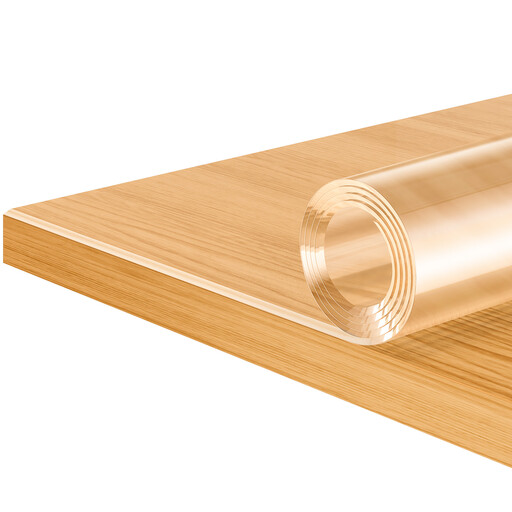
Why It's a Match: If you own an expensive solid wood or designer table, you don't want to hide its grain and appearance. This crystal-clear protector shields the surface without obscuring it. The beveled edge ensures an elegant, barely visible layer.
It solves the aesthetic problem by offering high transparency, according to the manufacturer. The manufacturer also provides an honest and important tip: place a thin tablecloth underneath on high-gloss surfaces to prevent bubbling.
High transparency to preserve the table's look; elegant, beveled edge; robust 2 mm thickness.
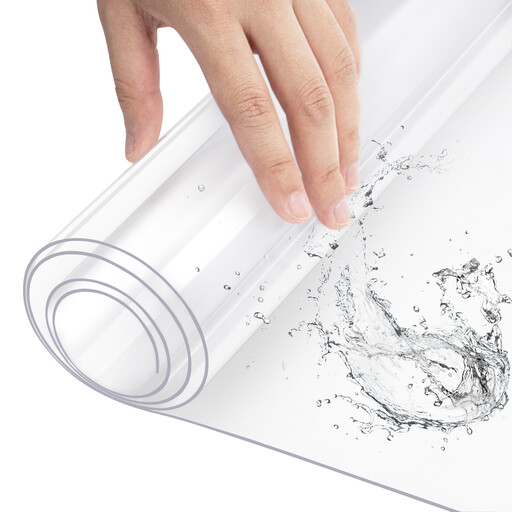
Why It's a Match: For a workbench, a craft table, or a kitchen table with a matte surface, this 1 mm protector is a functional and cost-effective choice. It provides solid basic protection from liquids and scratches where function is the top priority.
This product is positioned honestly. The manufacturer explicitly states that it is not suitable for high-gloss surfaces, helping the buyer to actively avoid the bubbling trap.
Excellent value for money; flexible and easy to cut to size; provides basic protection for less sensitive surfaces.
We've compiled a complete, up-to-date list of products that fully meet these strict selection criteria and UK regulations.
1. How do I get the table protector flat after unrolling it? Since the protectors are delivered rolled, they need some time to flatten out. Lay the protector on the table and weigh down the corners and center with heavy books for 24-48 hours. Alternatively, you can roll it in the opposite direction or gently warm it with a hairdryer on a low setting from a distance to speed up the process.
2. Why is my clear table protector forming bubbles on my glass table? This phenomenon occurs when two perfectly smooth, non-porous surfaces meet. The protector adheres directly to the table in some spots, trapping small air pockets. This is a physical effect, not a product defect. To avoid this on glass or high-gloss lacquer tables, you can place a very thin, barely visible tablecloth underneath or choose a specially designed, slightly frosted protector.
3. Can I place hot pots directly on a heat-resistant PVC tablecloth? No. The "heat-resistant" specification (usually up to 80°C / 176°F according to manufacturers) refers to the heat emitted by a normal dinner plate or coffee cup. A pot or baking dish straight from the oven or stove has a much higher temperature and would permanently damage or melt the PVC material. Always use separate trivets for hot cookware.