
Lieferung heute & morgen

Qualitätsgarantie

Willkommens-Angebote freischalten: KOSTENLOSE Lieferung | Bis zu 80 % RABATT | Kostenlose 30-Tage-JoyPlus-Testphase
App herunterladen
As a Joybuy Product Recommendation Officer, I see ambitious chefs every day searching for tools that meet their high standards. A standard chef's knife quickly reaches its limits when it comes to breaking down ribs, chopping hard squash, or preparing large cuts of meat. A specialised cleaver, often called a kitchen hatchet, is the right instrument for the job. It provides the necessary stability and power required for these demanding tasks.
This guide is designed to help you understand the features of a high-quality cleaver and make an informed choice for your kitchen. We will introduce a selection of models that are suited for various applications, distinguished by their materials and construction.
The right model depends on your cooking habits and the tasks you plan to perform. Three key criteria will help guide your decision.
A knife's performance is largely determined by its steel and how it's processed. A forged kitchen knife is shaped from a single piece of steel under heat and pressure. This process compacts the metal's structure, resulting in greater stability and edge retention. Stamped blades are cut from a sheet of steel and are often lighter and more affordable, but they rarely offer the robustness needed in a meat cleaver for chopping bones. Look for high-carbon steel types (like 7Cr17MoV) that offer a good balance of sharpness, durability, and corrosion resistance.
A heavy-duty chef's knife generates more chopping power through its own weight, making the work easier. However, balance is crucial. A knife with a full tang, where the blade's steel extends to the end of the handle, is typically better balanced and significantly more stable. This construction prevents the blade from detaching from the handle under heavy stress and ensures safe handling—an important feature for any professional chef's knife.
The handle must provide a secure grip, even with wet or greasy hands. Handles made of wood, such as the Shenmu wood used in traditional Chinese chef's knives, offer a comfortable feel. Modern alternatives like Pakkawood or high-quality plastics (e.g., PP) are particularly resistant to moisture and easy to maintain. The shape of the handle should be ergonomic to minimise hand fatigue during extended use.
Based on the criteria above, we have curated a selection of knives suitable for different needs and demanding kitchen tasks.
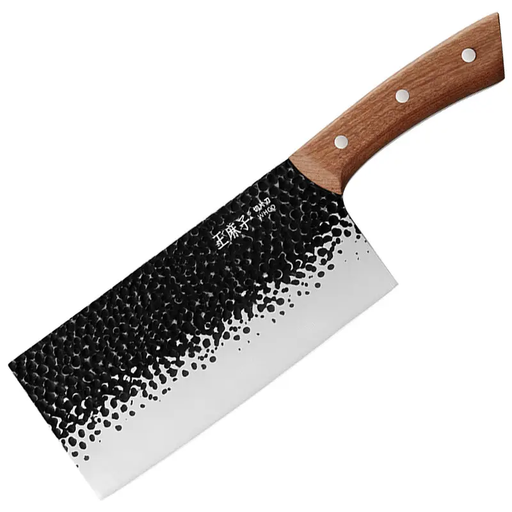
Why It Stands Out: This knife embodies traditional forging craftsmanship. As a classic Chinese chef's knife, it is designed for heavy-duty work, combining traditional design with robust functionality.
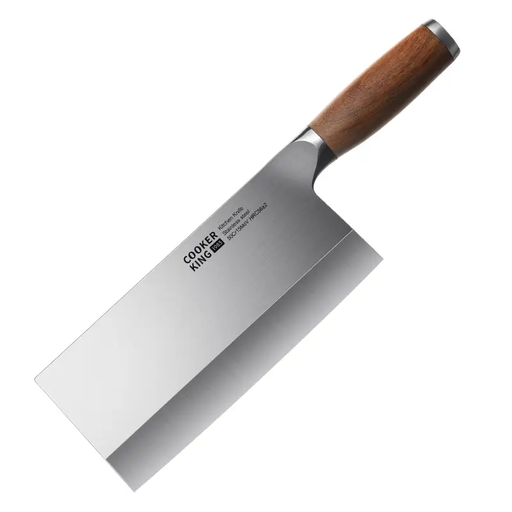
Why It Stands Out: This model combines Japanese forging tradition with modern materials. The weight-forward design makes chopping easier, while the blade remains precise enough for finer tasks.
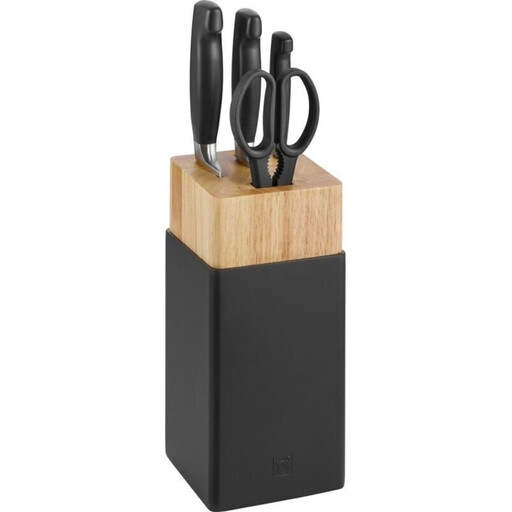
Why It Stands Out: This set is a comprehensive solution for the entire kitchen. In addition to other essential knives, it includes a 18 cm Chinese chef's knife suitable for many Asian-style chopping and cutting tasks.
The models presented here cover a broad spectrum, from specialised cleavers to comprehensive sets. If you are considering other alternatives or specialised tools for your kitchen, you can find a wider selection in our Kitchen & Cooking Utensils category.
Although the terms are often used interchangeably, there are subtle differences. A classic cleaver or kitchen hatchet typically has a thicker, heavier blade specifically designed for cutting through bones and cartilage. A Chinese chef's knife is often thinner and lighter. It serves as an all-purpose tool for slicing, chopping, and dicing vegetables, herbs, and boneless meat. Its wide blade is also popularly used as a scoop to transfer ingredients.
Not every model labelled as a cleaver is suitable for cutting through bones. The key factors are the thickness of the blade's spine, its weight, and the hardness of the steel. A forged kitchen knife with a thick, robust blade is the right choice for this. Thinner Chinese chef's knives can be damaged when trying to split hard bones. Pay attention to the manufacturer's guidelines on intended use.
Due to their high carbon content, many high-quality cleavers are not dishwasher-safe. Clean the knife by hand with warm water immediately after use and dry it thoroughly to prevent rust. To sharpen a heavy cleaver, a honing steel is recommended for regular edge maintenance, while a whetstone is best for a complete resharpening. Due to the specific grinding angle, you can also use the services of a professional knife sharpener if you are unsure.