
Lieferung heute & morgen

Qualitätsgarantie

Willkommens-Angebote freischalten: KOSTENLOSE Lieferung | Bis zu 80 % RABATT | Kostenlose 30-Tage-JoyPlus-Testphase
App herunterladen
Clementoni educational toys for children cover a wide range of interests: magic, science, arts and crafts, technology and detective games. For parents, grandparents and relatives, however, the choice isn't always straightforward. Product images and marketing claims often show elaborate experiments, while important details such as age recommendations, consumable materials or the actual space required can easily be overlooked.
This buying guide will help you check the right product features and avoid common purchasing mistakes.
A set labelled "from 8 years" isn't automatically suitable for every child of that age. Chemical components, small accessories, detailed instructions or app control may require additional support. A magic set for children aged 7 and up is designed for a different use case than a Galileo experiment set for children aged 8 and over.
It's therefore important to:
With a Clementoni experiment kit, certain materials may run out after several activities. These include, for example, salts, granules, fragrance essences or slime ingredients. Before buying, you should check whether the set offers one-off experiments or repeatable activities, and whether refill materials are available separately.
With a creative set for children, it's also important to consider how many decorative elements are included. A set with lots of small pieces needs organised storage so that accessories don't get lost.
An alarm, an app or a voice changer can enhance play. However, the real benefit depends on how the child uses the product. A spy toy that runs on batteries, for example, requires the right batteries, straightforward setup and rules for using sound and light functions.
With a robot building kit for children, parents should also check:
The age recommendation is a safety and orientation guide, not a guarantee of independent use. With chemical toys such as a slime lab, a crystal growing set or a fragrance lab, adult supervision should be planned. Work surfaces should be clean, well-ventilated and free from food. Components must not be put in the mouth, eyes or on sensitive skin.
Compare what's included with how you plan to play. A magic set mainly needs practice and presentation, whereas an experiment kit may contain consumable materials. With sets for growing crystals, the result develops over several days. This suits children who enjoy observing and documenting, but less so those who expect an instant finished toy.
The material information is also relevant. For the Clementoni products described here, materials include cardboard, plastic, ropes, granules and chemical components. Safety instructions and the manual should be read before first use.
The packaging dimensions give an initial idea of how much storage space you'll need. A detective case can be closed up after play, whereas a built robot or a creative workspace may stay out for longer. Battery-operated products such as a digital safe or a spy watch should only be used with the correct batteries and in accordance with the instructions.
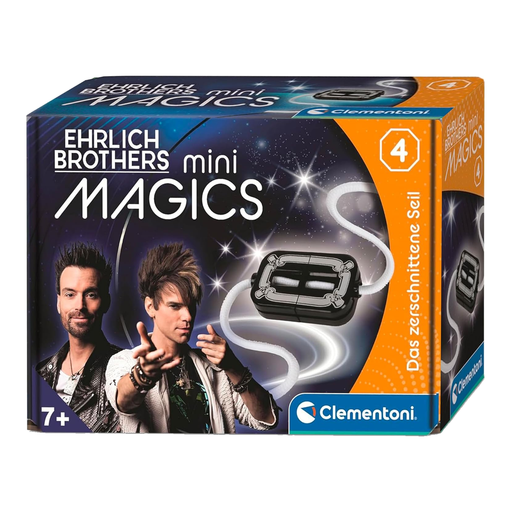
Why this product fits the profile: This compact set for ages 7 and up offers a clearly defined introduction to magic and illusion, with no batteries or extensive assembly required.
The contents focus on one rope trick and a step-by-step guide, making it easier to see exactly what activity is included before you buy.
No batteries required; compact size approximately 14.5 × 10 × 5.6 cm; suitable from age 7.
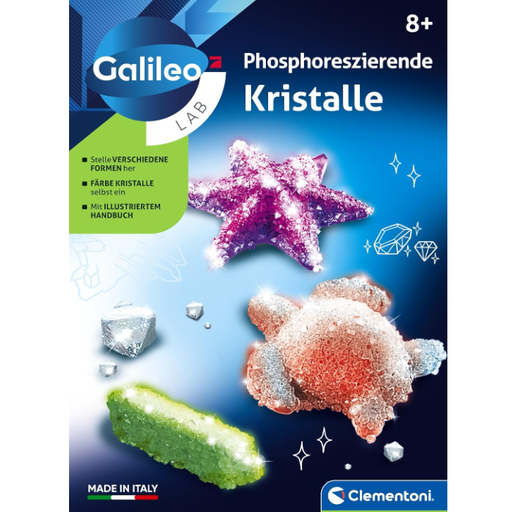
Why this product fits the profile: This set combines shapes, materials and delayed observation. It's ideal for families who enjoy guided activities with a visible result.
The age recommendation of 8+ and the note about necessary supervision make it clear that this set is not intended for unsupervised experimenting.
Suitable from age 8; instructions and materials for growing fluorescent salt crystals; approximately 415 g product weight according to product details.
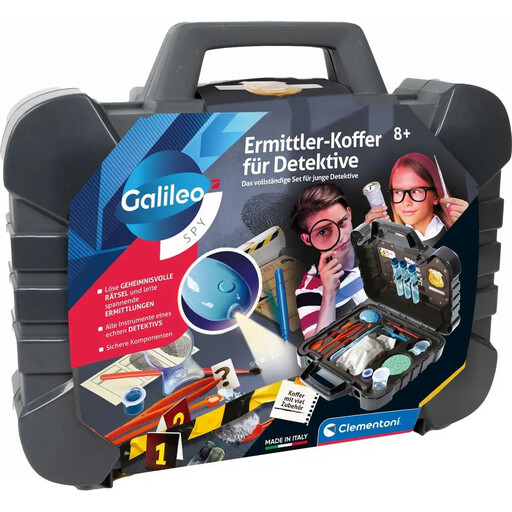
Why this product fits the profile: This case is aimed at children aged 8 and over who want to combine role-play with fingerprinting, plaster casts, evidence collection and coded messages.
The theme and several specific activities are clearly stated. The closable case also supports tidy storage.
No batteries required; multiple investigation activities; case format approximately 31.8 × 27 × 8.8 cm.
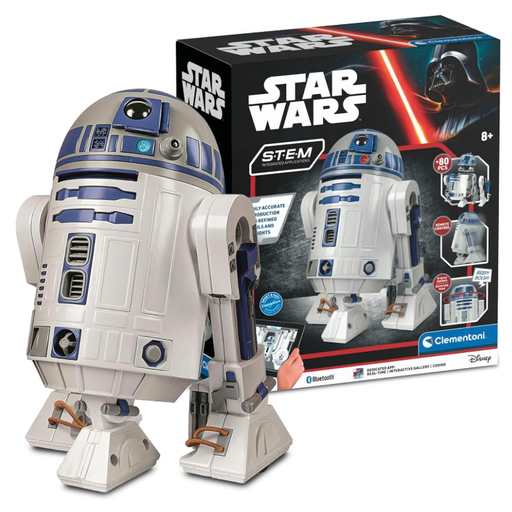
Why this product fits the profile: This set is designed for children aged 8 to 14 and combines building a robot with app control and basic coding tasks.
The required batteries are not included and should be planned for in advance. The app usage is also clearly identifiable as part of the purchasing decision.
Over 50 components according to product details; three app modes; LED lights and sounds; batteries required, not included.
We've put together a complete, regularly updated list of products that fully meet these strict selection criteria and the safety regulations in force in the EU.
Depending on interests, a DIY craft set, a customisable pen studio or a gift for children aged 6 and over could also be suitable. The Clementoni Idea Message Pen Atelier contains letters, beads, stickers and other decorations. For children aged 8 and over, a Galileo Science experiment set, a crystal growing set or a slime lab are also good options. With fragrance labs, parents should check the ingredients and possible allergens before use.
An educationally valuable toy shouldn't just be marketed with learning buzzwords. What's more meaningful are the specific activities: measuring, sorting, building, observing, documenting, designing or presenting.
For children aged 6 and over, creative sets without chemical components are most suitable, for example a pen studio. Small decorative parts still require supervision and safe storage. Magic and experiment sets often start from age 7 or 8, depending on the product.
The lifespan depends on the contents. A magic set or detective case can be used repeatedly as long as the accessories and instructions are kept. With crystal, slime or fragrance sets, certain components are used up during the experiments. So before buying, you should distinguish between one-off and repeatable activities.
Possible ongoing costs arise from consumable materials, batteries or compatible refill sets. With battery-operated spy toys and robots, you'll need to budget for batteries. With chemical sets, only the materials specified in the instructions should be used.