
Lieferung heute & morgen

Qualitätsgarantie

Willkommens-Angebote freischalten: KOSTENLOSE Lieferung | Bis zu 80 % RABATT | Kostenlose 30-Tage-JoyPlus-Testphase
App herunterladen
Cling film is a staple in many British kitchens. It covers bowls, protects cut vegetables and helps you store leftovers in the fridge. However, products can differ considerably in terms of material, ease of use and temperature range. An inexpensive roll can become inconvenient if it keeps tearing, does not cling properly or is difficult to tear off neatly.
A 75 m roll of cling film may seem particularly economical at first glance. However, film width, tear resistance and cutting options are also important. A long roll without a suitable cutting mechanism can be awkward to use every day. A standard roll is often sufficient for a typical household, while families, keen cooks and catering businesses may benefit from a longer roll.
Self-clinging cling film usually sticks to smooth bowl rims or to itself. This can make covering food easier, but it does not replace careful application. Uneven, greasy or damp rims can reduce its ability to cling. For the tightest possible seal, the rim should be clean and dry. For liquids or containers that are moved around frequently, resealable bags are often more suitable.
The term PE cling film initially describes the material polyethylene; it does not automatically mean that the film is suitable for microwaves or high temperatures. Conventional cling film is not suitable for ovens, grills or naked flames. Even when using microwave-safe cling film, you must follow the information on the packaging and product label. Depending on the product, the film may not be allowed to come into direct contact with very fatty or sugary foods. When heating food, steam must be able to escape.
For kitchen use, you need film that is specifically intended for contact with food. Polyethylene, or PE for short, is commonly used for cling film. The material should be clearly stated in the product information. Descriptions such as “taste- and odour-neutral” may be relevant when storing delicate foods, but should not be taken to mean that the film provides unlimited protection against aromas.
You should also consider the intended use:
The length of a cling film roll should match how much you use. A 20 m roll is manageable for occasional covering and can be stored compactly. A 75 m roll reduces how often you need to replace it if you cook regularly or have a larger household. A width of around 30 cm is common for bowls and plates; larger containers may require more coverage.
A thicker or multi-layer film may be more durable for certain applications. However, this does not automatically mean that it will cling better. Check whether the product description provides specific information about its layer structure, temperature range and intended use.
An integrated cutting mechanism or effective tear-off edge can make everyday use easier. It is important that the roll sits securely in the packaging and does not unwind uncontrollably. When choosing cling film with a cutting mechanism, pay attention to the description of how it works. A roll system that keeps the leading edge in place can save you from having to search for the edge again.
Store the roll in a dry, cool place away from direct sources of heat. Close the packaging after use to keep the film clean.
The following selection categorises specific products according to everyday situations and verifiable product information. Not every type of film is intended for every application.
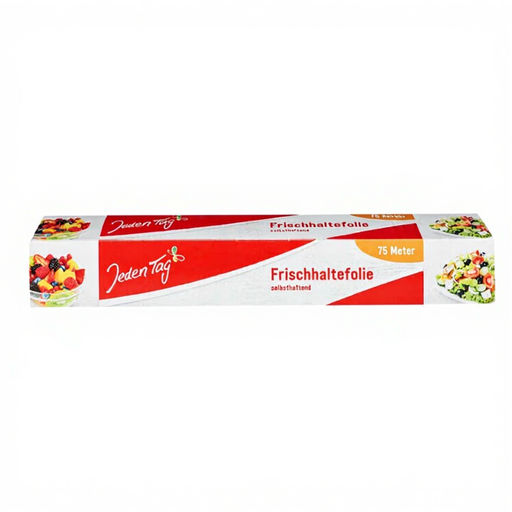
Why this product suits this profile: The 75-metre roll is suitable for households that regularly want to cover leftovers, bowls and prepared ingredients, while preferring a larger supply roll.
The stated roll length makes it easy to assess how much film is included. According to the product information, the film is made from polyethylene and is intended for covering food.
75 m roll length, PE material and, according to the description, compatibility with most kitchen dispensers.
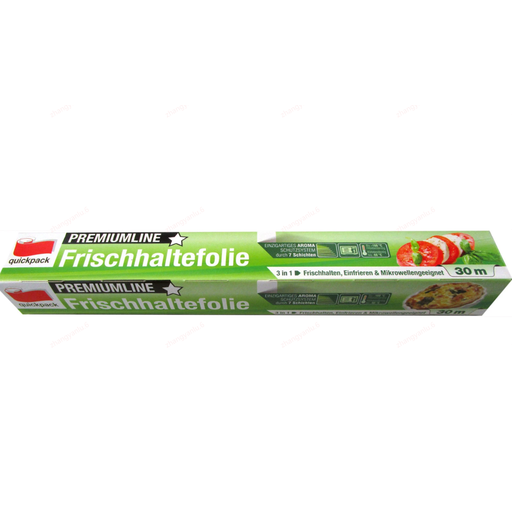
Why this product suits this profile: Its stated seven-layer construction is aimed at users who look for specific material and temperature information when covering food.
The product information states a range of -60 °C to 160 °C, as well as guidance on use in the microwave and freezer. These details must be checked against the packaging before use.
7-layer PE film, 30 m length and suitability for storage, freezing and microwave use as stated by the supplier.
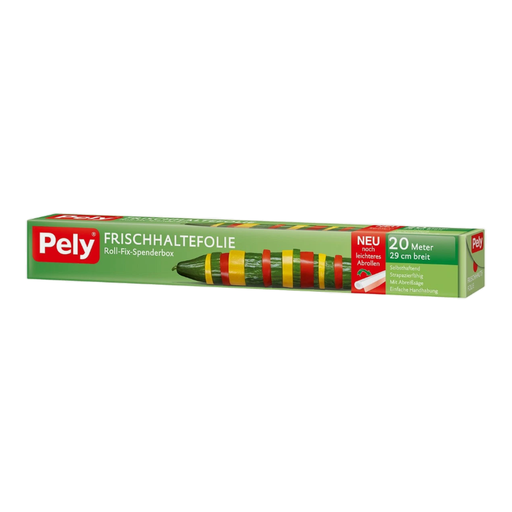
Why this product suits this profile: The Roll-Fix system is designed for frequent covering and controlled tearing. It is well suited to kitchens where cling film is used several times a day.
The integrated film holder described keeps the leading edge accessible after tearing. This reduces the need to search for the edge of the film each time you use it.
20 m length, PE material and Roll-Fix function with tear-off edge according to the product description.
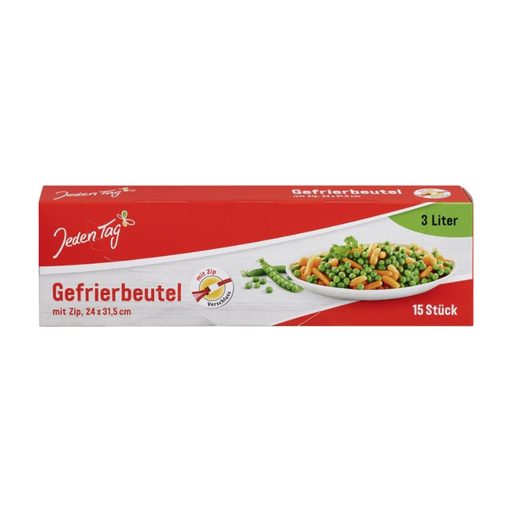
Why this product suits this profile: For portioned ingredients, soups, fruit or prepared meals, resealable 3-litre bags can be more practical than cling film used for covering food.
The slider closure is used to seal the bag. According to the product information, the bag is suitable for temperatures from -40 °C to +90 °C, but not for use in an oven or grill.
3-litre capacity, transparent PE bag, slider closure and labelling panel.
We have put together a complete, regularly updated list of products that fully meet these strict selection criteria and the safety regulations applicable in the EU.
Self-clinging cling film can stick to smooth, dry rims. Grease, moisture and rough surfaces reduce its ability to cling. For the best results, the film should cover the entire rim and be pressed down gently.
Cling film normally does not have a fixed expiry date like food. The relevant factors are the information on the packaging, storage conditions and hygienic condition. Rolls should be stored somewhere dry and clean, protected from heat. Film that is contaminated or damaged should no longer be used with food.
That depends on the individual product. Conventional PE cling film is not automatically suitable for microwave use. Only use it in the microwave if the packaging expressly permits this. Follow the stated temperature range, avoid direct contact with very hot, fatty or sugary foods, and make sure that steam can escape.