
Lieferung heute & morgen

Qualitätsgarantie

Willkommens-Angebote freischalten: KOSTENLOSE Lieferung | Bis zu 80 % RABATT | Kostenlose 30-Tage-JoyPlus-Testphase
App herunterladen
A facial toner can be a useful addition to your skincare routine, but it isn’t automatically suitable for every skin type or every use. When buying Clinique Clarifying Lotion, many shoppers focus on the brand name, bottle size or words such as “clarifying”. Other details, however, determine whether a product is right for your skin.
In Clinique’s 3-Step System, variants 1, 2, 3 and 4 generally correspond to different skin types, rather than ranking the products. A higher number is therefore not automatically “stronger” or more suitable.
As a general guide:
The exact classification may vary depending on the product description and regional variant. Before buying, always check the skin type, ingredients list and instructions for the specific bottle.
An exfoliating toner can loosen dead skin cells and surface residue. Some variants contain salicylic acid, while other formulations focus more on humectants such as glycerin or sodium hyaluronate. They may also contain denatured alcohol or witch hazel.
This is important when choosing a product:
The range includes sizes from 60 ml and 200 ml to 400 ml. A large bottle may seem economical at first, but it only makes sense if the variant suits your skin type and you’ll use it regularly. A smaller bottle may be more practical if you’ll use it occasionally or when travelling.
INCI lists can also change between product batches or markets. The ingredients list on the packaging you receive is therefore the one to rely on. If you have known sensitivities, pay particular attention to denatured alcohol, salicylic acid, menthol, preservatives and colourants.
A facial toner for dry skin shouldn’t be chosen just because it’s marketed as a “clarifying lotion”. Check its humectants and potentially drying ingredients too. For a facial toner for combination skin, Type 2 is often a good starting point. According to their respective product descriptions, Types 3 and 4 are more suited to combination to oily skin.
A toner with salicylic acid is an exfoliating toner. Salicylic acid is an ingredient in the formula, not a promise of a specific medical effect. Follow the instructions on the product packaging. If you experience redness, stinging or excessive dryness, reduce how often you use it or stop altogether.
Clarifying Lotion is usually applied to a cotton pad after cleansing and gently swept over the face and neck. Avoid the eye and lip areas. Follow with a moisturiser. There’s no need to rub hard, as this may put extra strain on your skin.
The phrase “daily exfoliator” shouldn’t be taken as an instruction to use the product every day. Whether twice-daily use is suitable depends on your skin type, the rest of your skincare routine and your individual sensitivity.
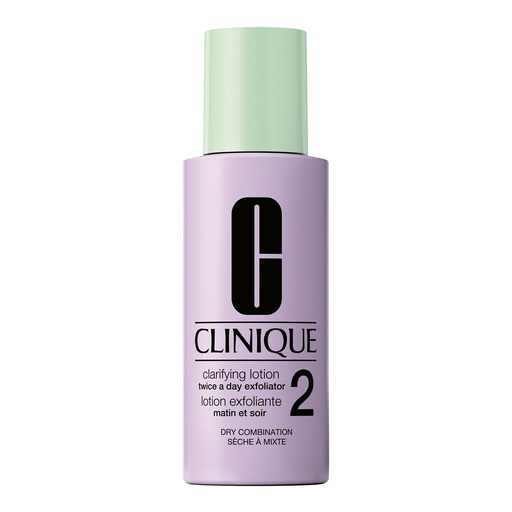
Why this product suits this profile: The compact size is handy for trying the Type 2 variant, keeping in your gym bag or taking on short trips. According to the product description, it’s designed for dry combination skin.
The smaller size reduces the risk of buying a large amount of a variant that may not suit you. Check that the salicylic acid and denatured alcohol it contains agree with your skin before use.
60 ml travel size; designed for dry combination skin; fragrance-free according to the product description.
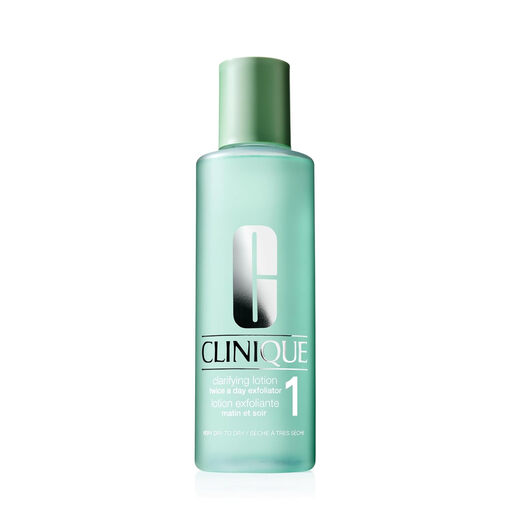
Why this product suits this profile: The 400 ml bottle is a good choice if you’re looking for a clearly labelled variant for very dry to dry skin and follow your routine regularly.
The skin type is clearly stated in the product name. The ingredients list also includes denatured alcohol and salicylic acid, so if you have dry or sensitive skin, how well you tolerate the formula matters more than the bottle size.
400 ml; clearly labelled Type 1; fragrance-free according to the product information; use after cleansing.
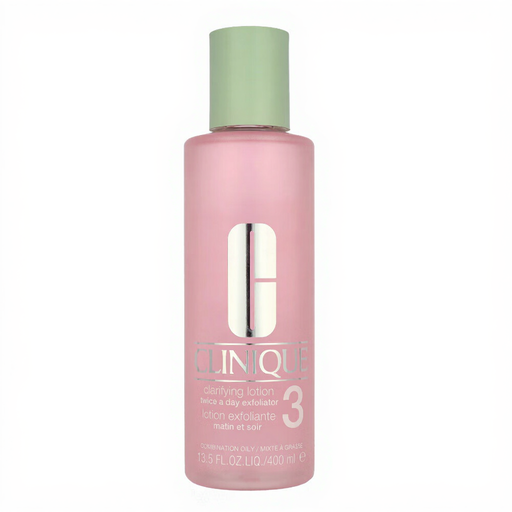
Why this product suits this profile: The large bottle is aimed at people with combination to oily skin who want to make an exfoliating toner a regular part of their skincare routine.
The Type 3 classification helps you choose based on your skin type, rather than the word “clarifying” alone. According to the product information, the formula contains salicylic acid and denatured alcohol; stop using it if irritation occurs.
400 ml; Type 3 option for combination to oily skin; used as Step 2 of the 3-Step System.
Don’t apply an exfoliating toner to damaged, severely irritated or sunburnt skin. If you use products containing acids, it may be a good idea to wear suitable sun protection during the day. Always follow the safety instructions on the packaging.
We’ve put together a complete, regularly updated list of products that meet these strict selection criteria and fully comply with the safety regulations in force in the EU.
After cleansing your face, apply a small amount to a dry cotton pad and gently sweep it over your face and neck. Avoid the eye and lip areas. Follow with a moisturiser. How often you use it depends on the variant and how well your skin tolerates it.
Check the best-before date and PAO symbol on the packaging. Once opened, keep the bottle tightly closed and store it somewhere dry, away from direct sunlight. Check the smell, colour and consistency regularly.
Type 1 is recommended for very dry to dry skin. Type 2 may suit dry combination skin. As formulations and ingredients lists can vary, check the specific product page and packaging information before you order.