
Lieferung heute & morgen

Qualitätsgarantie

Willkommens-Angebote freischalten: KOSTENLOSE Lieferung | Bis zu 80 % RABATT | Kostenlose 30-Tage-JoyPlus-Testphase
App herunterladen
A foundation with sun protection sounds practical: even out your complexion, achieve a natural finish and streamline your daily routine. However, when buying Clinique Even Better Make-up with SPF, it shouldn't just come down to the brand name and shade. What really matters is the specific sun protection factor, the coverage, the formulation and how well it suits your skin type.
A product with SPF 15 or SPF 50 can contribute to your daily routine. However, the level of protection stated on the packaging requires you to apply a sufficient, even amount of product. With foundation, you typically apply far less than you would with a dedicated sunscreen. For longer periods outdoors, it therefore makes sense to use a separate sun protection product as directed by the manufacturer. Make-up with sun protection should not automatically be considered your sole UV defence.
The Clinique Foundation SPF 15 and the Clinique Foundation SPF 50 cater to different priorities. SPF 15 can be a good option for everyday office wear or short journeys, while SPF 50 deserves more consideration when you're exposed to stronger UV rays. However, the higher sun protection factor says nothing about the shade, how it feels on the skin, the coverage or the finish.
Names like Foundation Light Cool, "Custard" or "Neutral" generally describe the colour direction and lightness, but they don't follow a standard industry-wide system. A cool undertone looks more rosy, while a warm undertone appears more yellow or golden. For a more reliable choice, you should check the shade in daylight at the point where your face meets your neck. Also, oxidising formulas can appear slightly darker after application.
The product details for the Clinique Even Better Clinical Vitamin Makeup SPF 50 list zinc oxide, ethylhexyl methoxycinnamate, ethylhexyl salicylate and phenylbenzimidazole sulfonic acid, among others. For the SPF 15 variants, the product description states that octinoxate, titanium dioxide and zinc oxide are the active UV filters. The exact formula can vary depending on the product variant and market. That's why the ingredients list on the specific product page is the definitive source.
If you're looking for a foundation for sensitive skin, you should look out for indications such as fragrance-free, dermatologically or ophthalmologically tested, and non-comedogenic. These details are product-specific and do not guarantee individual tolerance. If you have known sensitivities, it's advisable to test the product on a small area of skin. If irritation occurs, stop using it.
For dry skin, ingredients like glycerin, sodium hyaluronate and other moisture-binding components can be of interest. For oily or combination skin, a lightweight texture, a natural finish and controlled powder application are often more practical. A non-comedogenic foundation is particularly relevant for those who prefer products with a low risk of clogging pores. Again, you should check the labelling on the relevant product page.
A liquid foundation can usually be built up in layers. Light coverage is suitable for an understated everyday complexion, while medium coverage can better conceal visible redness or unevenness. A natural finish sits somewhere between very matte and noticeably shiny. Your application technique influences the result: fingers often create a thin layer, a brush can increase coverage, while a damp sponge softens the finish.
The Even Better Clinical Vitamin Makeup variants are promoted with vitamin B3, vitamin C and vitamin E-related ingredients. In the specific variant SPF 50 Light Medium Cool 1, ingredients such as ascorbyl glucoside, several vitamin C derivatives, niacinamide and sodium hyaluronate are listed. Such ingredient details describe the formulation but do not replace a medical assessment. The term foundation with vitamin C should therefore not be equated with a therapeutic effect.
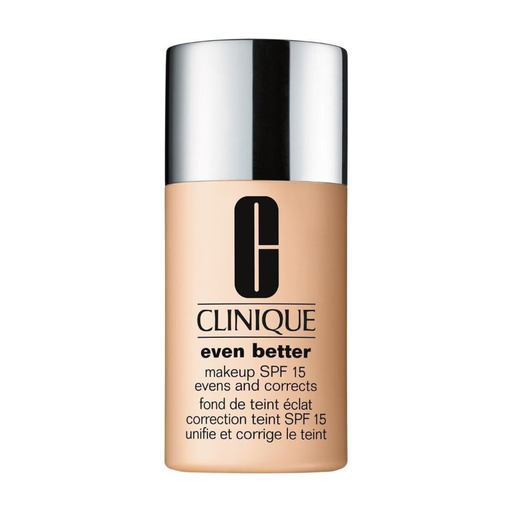
Why this product suits the profile: The SPF 15 variant with medium coverage and a natural, radiant finish is ideal for beginners looking for a fuss-free foundation for everyday wear and the commute. According to the product details, it is fragrance-free and non-comedogenic.
The details on SPF, coverage, finish and ingredients are clearly separated. This makes it easier to understand that SPF 15 does not replace a full sunscreen.
Medium, buildable coverage; fragrance-free and oil-free product claims; 30 ml volume.
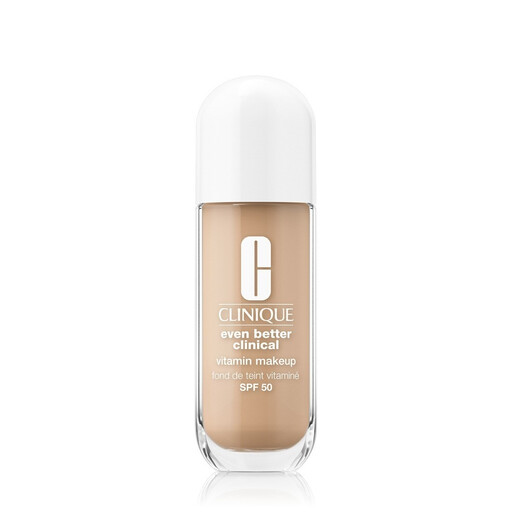
Why this product suits the profile: The SPF 50 formulation appeals to users who want to incorporate a higher stated sun protection factor into their make-up routine for daily UV exposure and are looking for a cool, light to medium shade.
The sun protection factor is clearly stated as SPF 50. At the same time, users should check the desired coverage and shade separately, rather than buying solely based on the SPF number.
SPF 50; several vitamin C derivatives and niacinamide according to the ingredients list; 30 ml liquid formulation.
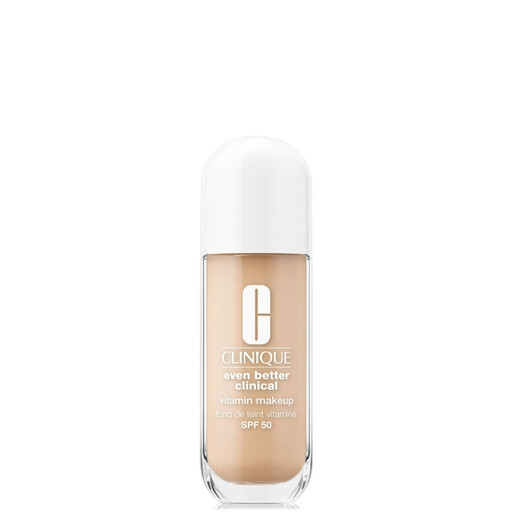
Why this product suits the profile: The Light Cool 2 variant is ideal for users who prefer a cool, light shade, a lightweight texture and a natural finish. According to the product details, it has been described as suitable for all skin types, including sensitive skin.
The product data lists light coverage, natural finish and water resistance separately. This allows frequent users to better distinguish the desired skin feel from the longevity.
SPF 50; lightweight fluid texture; fragrance-free and paraben-free claims; pump bottle.
Before applying, your skin should be cleansed and prepared with your usual skincare. Then start applying the foundation in the centre of your face and blend outwards. For an even layer, you can use a brush, a sponge or your fingertips. If you need more coverage, it's better to apply in layers rather than one thick single layer.
These products are intended for external use only. Avoid contact with the eyes. If irritation occurs, stop using the product. Store the foundation in a cool, dry place away from direct sunlight. The expiry date and batch number are on the packaging.
We've put together a complete, regularly updated list of products that fully meet these strict selection criteria and the safety regulations in force in the EU.
SPF 15 can serve a supplementary role for short daily journeys and indoor settings. For longer periods of direct sunlight, you should additionally use a dedicated sun protection product and reapply it according to its usage instructions.
The product details of some Even Better Clinical Vitamin Makeup variants mention suitability for sensitive skin as well as dermatological or ophthalmological testing. However, individual tolerance cannot be reliably inferred from this. For sensitive skin, fragrance-free variants and a prior patch test are particularly advisable.
The specific shelf life depends on the date stated on the packaging and the respective labelling system. You should also pay attention to the smell, colour, consistency and hygienic condition. If there are noticeable changes, you should stop using the product.