Learners with a regular recording spot
If you usually record short flashcards while seated, first check which connection will work with your smartphone or computer.


If you mainly record short audio flashcards while seated, a wired lavalier microphone with a compatible connection is a sensible place to start. A wireless set is more suitable if the cable genuinely gets in the way of your routine. Keeping the microphone close won’t make a shared space quiet, so check for clothing noise, test your recording app and listen out for background conversations in a sample recording.
If you usually record short flashcards while seated, first check which connection will work with your smartphone or computer.
If other conversations can be heard where you’re sitting, consider where you position your voice and check for background noise with a sample recording.
If you move around while recording or your device isn’t right beside you, weigh up cable management against wireless operation.
For short audio flashcards at a shared desk, the most important buying considerations depend on your recording connection, the noise around you and how you work.
| Buying consideration | What to check | Who is it important to? |
|---|---|---|
| Connection and recording | Check the microphone input and any adapter you need, then record a test flashcard using the app you plan to use. | If I want to make sure my device and flashcard app actually use the external microphone, the signal path is crucial. Around 36% of consumers put connection compatibility first. |
| Clarity of your voice | Attach the microphone where clothing won’t rub against it, then listen to a sample recorded in your usual spot. | If conversations or rustling clothes can be heard at the shared table, I want to check that my voice is still clear. Around 29% of consumers prioritise voice clarity. |
| A straightforward recording routine | Check what’s included and how it’s powered, then try the whole process, from connecting the microphone to saving a test flashcard. | If I’m recording lots of short flashcards, I want to be able to get started easily. Around 21% of consumers put ease of use first. |
| Freedom of movement | Check the distance to your recording device and how the cable will run; with a wireless set, check the receiver connection and how many transmitters you need. | If I move while recording or my device is further away, I want to keep cables out of the way. Around 14% of consumers prioritise freedom of movement and cable management. |
A manufacturer’s claim about adjustable noise cancellation doesn’t prove that conversations nearby will be removed from your recording. Under § 201(1) StGB, recording another person’s non-public spoken words without authorisation is a criminal offence.
Listen to a sample recording made in your usual spot. If it picks up other people’s conversations, record somewhere quieter or at a different time.
Recording somewhere quieter may mean having to spend time recording your flashcards again.
Wired models use different connections, and with mobile devices the adapter wiring can also matter. A matching plug shape alone doesn’t confirm that the app is using the microphone input.
Check your device’s microphone input and test the exact setup with your flashcard app.
Wireless sets can vary in what’s included and how many transmitters they have; wired alternatives don’t need a wireless receiver. Extra components and charging requirements can add steps to your routine.
Choose the number of transmitters and level of freedom of movement you actually need, rather than simply opting for the set with the most accessories.
The XS Lav range includes wired versions with USB-C or 3.5 mm TRRS connections.
The MOTIV MVL is a wired option with a 3.5 mm connection.
The V.Lav is a wired option if your recording device is further away.
The Mic Mini is a wireless set to consider if a cable gets in the way at your desk.
This selection includes wired lavalier microphones with a 3.5 mm connection and wireless sets for compatible recording devices.
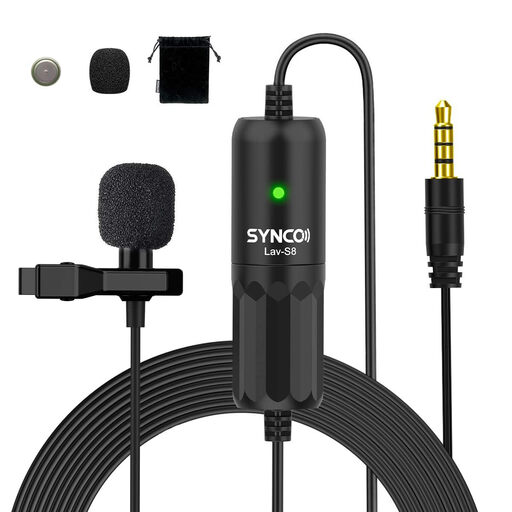 No image available
A wired option if your recording device has a compatible 3.5 mm connection.
3.5 mm connection; described as a lavalier microphone for smartphones, PCs, laptops and cameras.
Check that the connection and any adapter you need are compatible with your device.
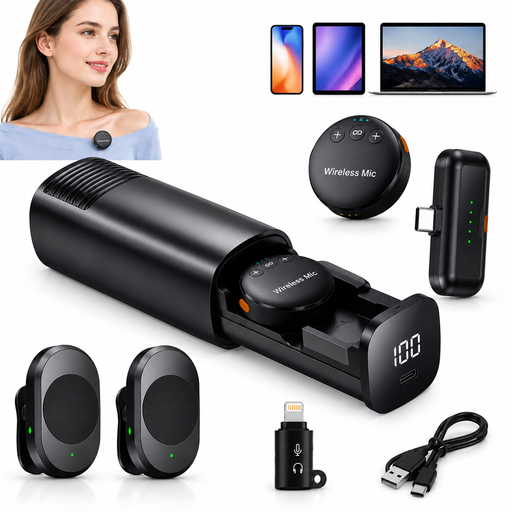 No image available
A wireless option if you want to move around while recording or a cable gets in the way.
The product details list two transmitters and one receiver; USB-C and Lightning are given as connection options.
Check that the receiver is compatible with your device. The stated noise reduction doesn’t prove that conversations at the next table will be removed from your recording.
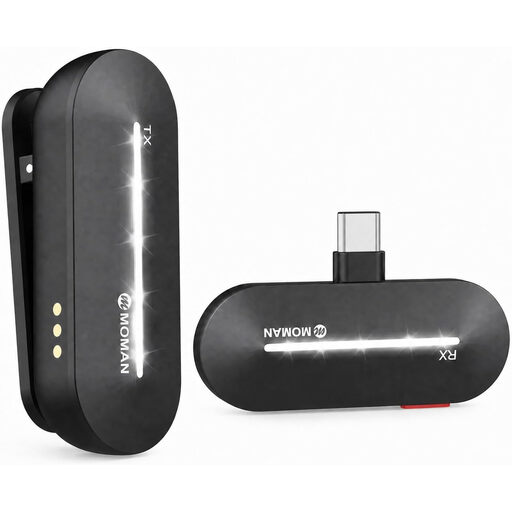 No image available
A wireless option for recording with a compatible USB-C mobile device.
One transmitter and one receiver; according to the description, the receiver is designed for a compatible USB-C mobile device.
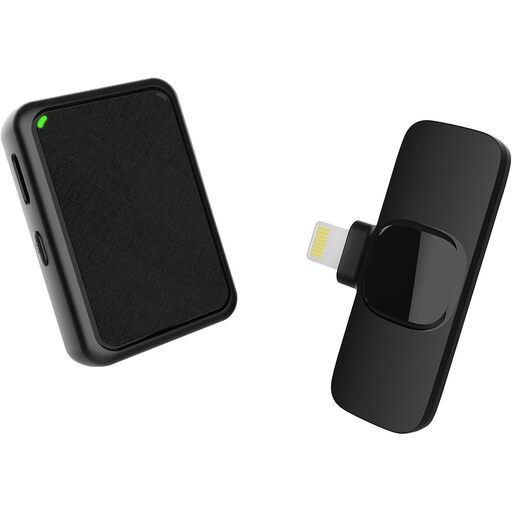 No image available
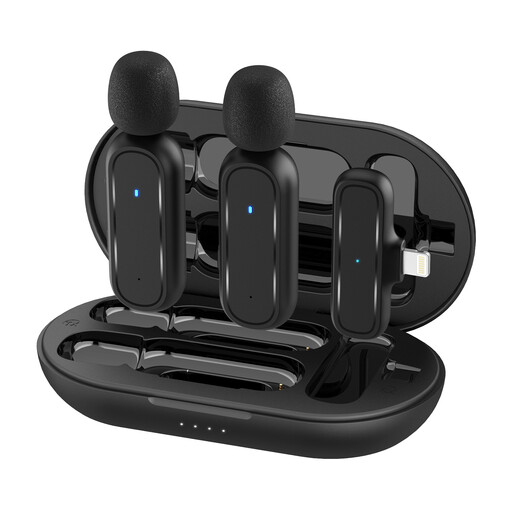
A wireless option if you’re recording with one of the listed iPhone models with a Lightning connection.
One transmitter and one receiver; the product title says it’s designed for iPhone 14, 13 and 12 with Lightning.
Check that your device is one of the listed models.
 No image available
A wireless option if you use a compatible USB-C device and want to clip the microphone to your clothing.
One transmitter and one receiver; the USB-C receiver requires a compatible device.
Record a short flashcard and listen back while holding the recording device further away. A matching plug shape alone doesn’t confirm that the adapter is wired correctly or that the app has selected the external microphone input.
Attach it somewhere clothing won’t rub against the capsule, then make a test recording. As a general guide, RØDE suggests positioning it on the chest, around 20–30 cm from your mouth. This is a recommendation, not a guarantee that it will work for every room or voice.
Check whether you need a suitable adapter and whether the model requires batteries or wireless components that need charging. The German consumer advice centre Verbraucherzentrale distinguishes between statutory rights for faulty goods and a voluntary guarantee; if there’s a fault, your statutory rights generally apply against the seller.
Under § 201(1) StGB, recording another person’s non-public spoken words without authorisation is a criminal offence. Try to record only your own flashcards, and choose a place and time that won’t capture other people’s conversations. Whether a specific background recording constitutes an offence depends on the circumstances.