What should you consider when buying?
In a quiet, shared reading room, low sound leakage is a sensible starting point. For people listening to drum grooves there, the main buying priorities differ as follows. Next, consider how well you can assess the details of the drums, how the headphones connect to your device and whether they remain comfortable during longer listening sessions.
Closed-back studio over-ear headphones
Best suited to: Studying right beside other people, when you want to minimise sound escaping. The Sennheiser HD 280 PRO is one example of this design.
Trade-off: A close fit can come with noticeable clamping force. Sennheiser’s claim of up to 32 dB refers to attenuation of ambient noise; it doesn’t guarantee a particular level of sound leakage to the person at the next table.
Foldable closed-back studio over-ear headphones
Best suited to: Taking your headphones regularly between study spots and comparing foldable models such as the AKG K371 or Audio-Technica ATH-M50x.
Trade-off: Portability doesn’t tell you whether the sound profile is right for you. HIFI.DE notes a bass emphasis and some fit issues with the ATH-M50x, while Sonarworks reports variations in the K371 samples it tested.
Open-back studio headphones
Best suited to: Listening at your own spot, where sound escaping is acceptable. Sennheiser says the open-back HD 490 PRO lets sound out.
Trade-off: Sound leakage is a significant drawback in a quiet, shared reading room. Any potential benefit for assessing spatial detail doesn’t change that.
| Consideration |
What to check before buying |
Who is it most relevant to? |
| Sound leakage |
Check for a closed-back design and intact, well-fitting ear pads. Ask someone else to check for sound leakage at your intended listening volume. |
If you listen right beside other people in a quiet reading room, you’ll want as little sound as possible to escape. This is the top priority for around 36% of consumers. |
| Rhythmic detail |
Compare familiar recordings, paying attention to the balance between kick and snare and to the hi-hat parts. |
If you repeatedly distinguish different drum sounds, a pronounced bass boost shouldn’t overpower your assessment. Around 29% of consumers put rhythm assessment first. |
| Connection and portability |
Check your device’s output, the plug type, any adapter you’ll need and the cable length. Also consider the packed size and how easy the cable is to handle. |
If you move between study spots, getting the right connection for your device matters most. Around 21% of consumers prioritise this. |
| Comfort |
Try the headphones with your usual glasses and for the length of time you normally listen. Check the ear cup size and whether replacement pads are available for your model. |
If you listen to the groove repeatedly for an extended period, the fit should remain comfortable. Around 14% of consumers prioritise comfort during longer listening sessions. |
Joybuy headphones for studying
The following closed-back over-ear headphones offer wired and wireless connection options, depending on the model. To assess rhythm, check the sound profile, fit and sound leakage on the specific model you’re considering. Design and noise cancellation alone don’t prove that sound reproduction is neutral or that little sound escapes.
 No image available
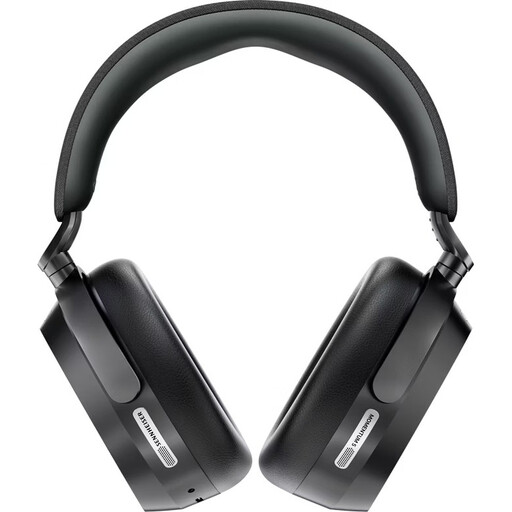
Sennheiser Momentum 5 Wireless, Black
A closed-back over-ear option if you want to listen wirelessly while studying or connect via an audio cable. Check for sound leakage at your usual listening volume.
Bluetooth 5.4 and a 3.5 mm audio connection; claimed battery life of up to 57 hours.
View at Joybuy
 No image available
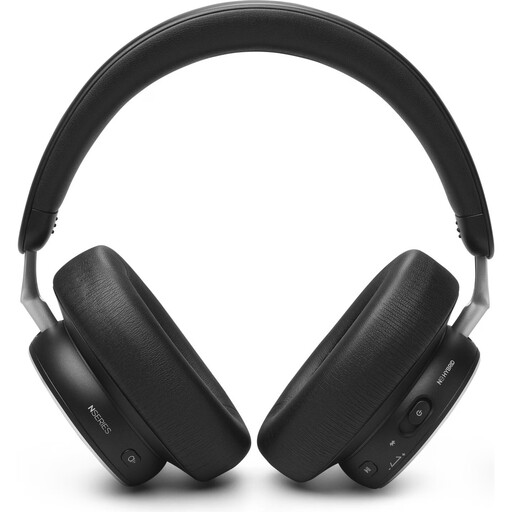
AKG N9 Hybrid, Black
A closed-back over-ear option to take with you if you want to switch between wireless listening and a wired connection. Check the fit and sound leakage in the way you plan to use them.
Bluetooth 5.3, a 3.5 mm connection and a foldable design; claimed battery life of up to 55 hours.
View at Joybuy
 No image available
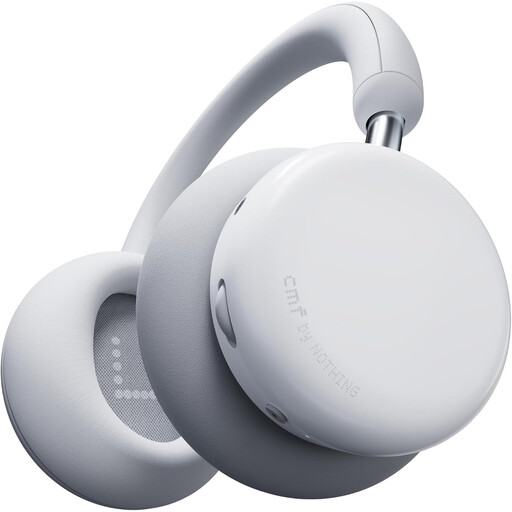
CMF Headphone Pro, Light Grey
A closed-back over-ear option with Bluetooth and hybrid ANC. Check whether the sound profile suits your rhythm assessment and how much sound escapes from the specific model.
40 mm drivers, LDAC support and replaceable ear pads; stated weight: 283 g.
View at Joybuy
 No image available
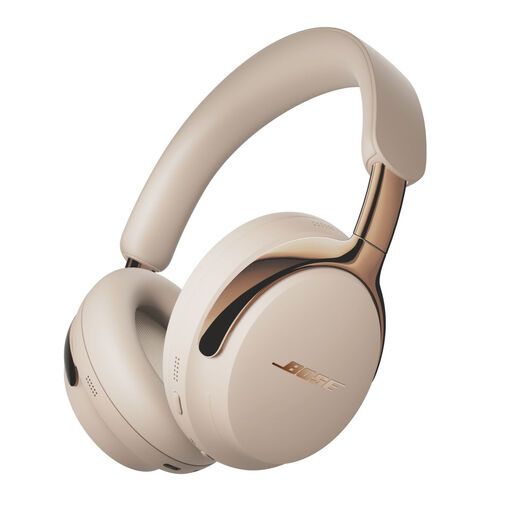
Bose QuietComfort Ultra 2 Gen, Driftwood Sand
A closed-back over-ear option for wireless or wired listening. For use in a reading room, check that the connection is right for your device and how much sound escapes at your usual volume.
Bluetooth 5.4, with audio connections via 2.5 mm jack and USB-C listed; foldable design.
View at Joybuy
Frequently asked questions
Does noise attenuation of up to 32 dB prove that nobody else can hear?
No. Sennheiser’s rating for the HD 280 PRO describes how much ambient noise it attenuates. Whether people nearby can hear your audio at your chosen volume also depends on the fit and how you use the headphones. Check them in your own listening setup.
How do I connect studio headphones to my playback device?
Check your device’s output against the plug and what’s included with the specific model. According to the manufacturer, the Sennheiser HD 280 PRO has a 3.5 mm plug and a 6.3 mm adapter. That doesn’t mean it will connect directly to a device without a compatible analogue socket.
What should I look for in replacement ear pads?
Check the full model and version details before buying. Sennheiser specifically lists ear pad set 572235 for HD 280 PRO versions from 2016 onwards. Worn pads can affect the fit and sound isolation.
How loud should I listen when practising repeatedly?
Keep the volume low and take listening breaks. For adults, the World Health Organization suggests up to 40 hours per week at an average of 80 dB as a guideline; the recommended listening time decreases at higher levels. This is advice for safer listening, not a guaranteed headphone feature or a general legal limit.
What rights do I have in Germany if headphones bought online are faulty or don’t fit?
If a new product is faulty, you have statutory rights against the seller; under section 438 of the German Civil Code (BGB), the limitation period for ordinary purchases of goods is generally two years from delivery. The Federal Ministry of Justice and the Federal Office of Justice publish this provision. For an online purchase, you generally have a 14-day right to cancel from the date you receive the goods, subject to statutory exceptions and the terms of the specific purchase. The European Union’s Your Europe website explains this right. A voluntary manufacturer’s guarantee doesn’t replace your statutory rights. These rules relate to different rights and don’t provide an additional voluntary returns policy.


