Who is a washer-dryer suitable for?

Families with stained cloth napkins

If your napkins have visible stains after a meal, treat them as soon as possible and choose a wash programme suited to the fabric. Germany’s consumer advice centre recommends not letting stains dry in wherever possible.

Families with little space for drying

If you only have room for one appliance, a washer-dryer lets you wash and dry without moving the laundry between machines. The key question is whether its stated drying capacity is enough for your usual load.

Families with delicate napkins

For different or delicate fabrics, the care labels tell you the permitted washing temperature and whether tumble-drying is suitable. The care symbols from GINETEX Germany and the German Cosmetic, Toiletry, Perfumery and Detergent Association, provided by Germany’s consumer advice centre, can help you choose.

What should you look for when buying?

Washer-dryer

A good fit if: you have room for one appliance but little space for a clothes airer or separate tumble dryer, and its drying capacity meets your needs.

The trade-off: washing and drying capacities differ. Germany’s consumer advice centre also points out that washer-dryers use more electricity and water than separate appliances.

Washing machine and air-drying

A good fit if: you have a suitable place to dry laundry and enough time, or your napkins’ care labels advise against tumble-drying.

The trade-off: you’ll need to hang the laundry up to dry; there’s no machine-drying cycle.

Separate washing machine and tumble dryer

A good fit if: you have room for both appliances and regularly need to dry more laundry than a washer-dryer can handle in one cycle.

The trade-off: two appliances take up more floor space. In its published test, F.A.Z. Kaufkompass describes washer-dryers as a compromise compared with standalone tumble dryers in terms of drying capacity and cycle time; this is not a blanket assessment of every pair of appliances.

Buying consideration What to look for Who is it particularly relevant to?
Stains and laundry care Check that the wash programme suits your napkins; treat visible stains promptly. If stains remain on my napkins after a meal, I want to treat them promptly and choose a programme that suits the fabric. Around 29% of consumers put stains and suitable laundry care first.
Drying capacity on a combined cycle Compare washing and drying capacities in kg and take your usual load into account. For a family-sized load, I want to know how much laundry can be dried after washing without transferring it to another machine. Around 23% of consumers prioritise the drying capacity on a continuous cycle.
Appliance space and drying options Check the appliance dimensions against the space available; consider whether you have room to air-dry laundry. If there’s no suitable space for a clothes airer or a second appliance, where the machine will go is especially important to me. Around 18% of consumers put available space and drying options first.
Fabric and suitability for tumble-drying Check the care labels before choosing a washing temperature and drying setting. With delicate napkins or ones with different care labels, I want to follow the care instructions. Around 18% of consumers prioritise fabric care and suitability for tumble-drying.
Electricity and water use Compare consumption figures for washing and combined cycles separately. If I use machine drying frequently, I want to take the resource use of combined cycles into account. Around 12% of consumers put electricity and water use first.

Common buying and care mistakes

  • Looking only at washing capacity

    The stated washing capacity may be higher than the amount the machine can dry in the same cycle. You may then need to remove some of a larger wash load or dry it later.

    Compare the washing and drying capacities, and base your choice on the amount you regularly want to dry in one go.

    A larger wash load may need another drying cycle or a different place to dry.

  • Assuming the washing energy rating applies to the whole cycle

    The energy label distinguishes between washing and the combined wash-and-dry cycle. Germany’s consumer advice centre points out that machine-drying uses additional electricity and, in some cases, water.

    Check the consumption figures for both operating modes and compare appliances on the basis of the same cycle.

  • Treating a delicate or steam programme as a substitute for the care label

    The care label may set a maximum washing temperature or rule out tumble-drying. A programme option does not override these instructions.

    Check your napkins’ labels before choosing washing and drying options. Treat stains promptly and in a way that’s suitable for the fabric.

Brands and models at a glance

LG

LG Germany lists the W4WR7096YB washer-dryer with a washing capacity of 9 kg and a drying capacity of 6 kg.

  • The model is listed with energy ratings of D/A for combined operation and washing respectively, as well as steam and TurboWash programmes.
  • Its lower drying capacity limits the amount you can dry completely without removing any laundry. LG’s advertised claim about fabric protection is based on a comparison with other models under specific test conditions, not on a demonstrated benefit for cloth napkins.

Bosch

Bosch Home Appliances Germany lists the WNA13441 washer-dryer with a washing capacity of 9 kg and a drying capacity of 5 kg.

  • The product page lists several fabric programmes and dimensions of 848 × 598 × 590 mm.
  • The drying capacity is lower than the washing capacity. Whether the appliance is suitable depends on the space available and the installation requirements.

AEG

AEG Germany describes the 9000 Series L9WEF80690 washer-dryer as a 9/6 kg model with heat pump technology.

  • The manufacturer lists options for delicate fabrics and separate energy label figures of 252 kWh per 100 combined cycles and 49 kWh per 100 wash-only cycles.
  • These figures relate to the stated test cycles. Lower drying temperatures do not replace the care instructions on the relevant napkin label.

Samsung

Samsung Germany lists the WD81TA049BE/EG as a washer-dryer with a washing capacity of 8 kg and a drying capacity of 5 kg.

  • The model is described as featuring EcoBubble and a Hygiene Steam programme; its energy ratings are listed as E/C for combined operation and washing respectively.
  • The 5 kg drying capacity is lower than the washing capacity. The manufacturer’s claims about low washing temperatures are based on tests of other models and do not demonstrate how this appliance performs on napkins.

Siemens

Siemens Home Appliances Germany lists the iQ700 WN54C2A40 with a washing capacity of 10.5 kg and a combined capacity of 6 kg.

  • The manufacturer lists automatic detergent dosing.
  • The higher washing capacity does not change the stated drying capacity of 6 kg. At 622 mm deep, the model needs to fit the available space.

Washer-dryers at Joybuy

The Joybuy models below are washer-dryers. Compare their stated washing and drying capacities with the amount of laundry you usually want to dry in one cycle.

Roborock Zeo Lite washer-dryer

Roborock Zeo Lite, 10 kg washing / 6 kg drying

If a drying load of up to 6 kg suits your needs, the separately stated capacities are useful for comparing models.

Washing capacity of 10 kg and drying capacity of 6 kg; the model is listed with Zeo-Cycle drying technology, a LintClear self-cleaning system and automatic dosing.

View at Joybuy

LG WT1210WWF front-loading washer-dryer

LG WT1210WWF, 12 kg washing / 10 kg drying

If you want to dry a larger load in one combined cycle, check whether the stated drying capacity suits your needs.

Washing capacity of 12 kg and drying capacity of 10 kg; the product name lists a Dual Inverter heat pump, AI DD, TurboWash 360°, a steam function and the Wi-Fi ThinQ app.

View at Joybuy
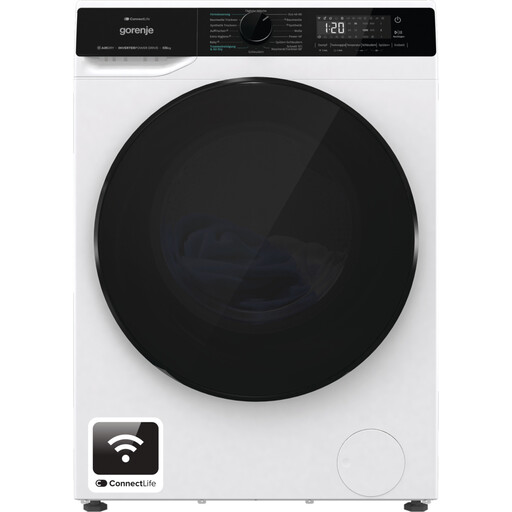
Gorenje WD2PA854ADW DE washer-dryer

Gorenje WD2PA854ADW DE, 8 kg washing / 5 kg drying

If your usual drying load fits the stated capacity, the separate washing and drying figures can help you compare models.

Washing capacity of 8 kg and drying capacity of 5 kg; the model is listed with 16 programmes, Quick Dry and SteamTech.

View at Joybuy
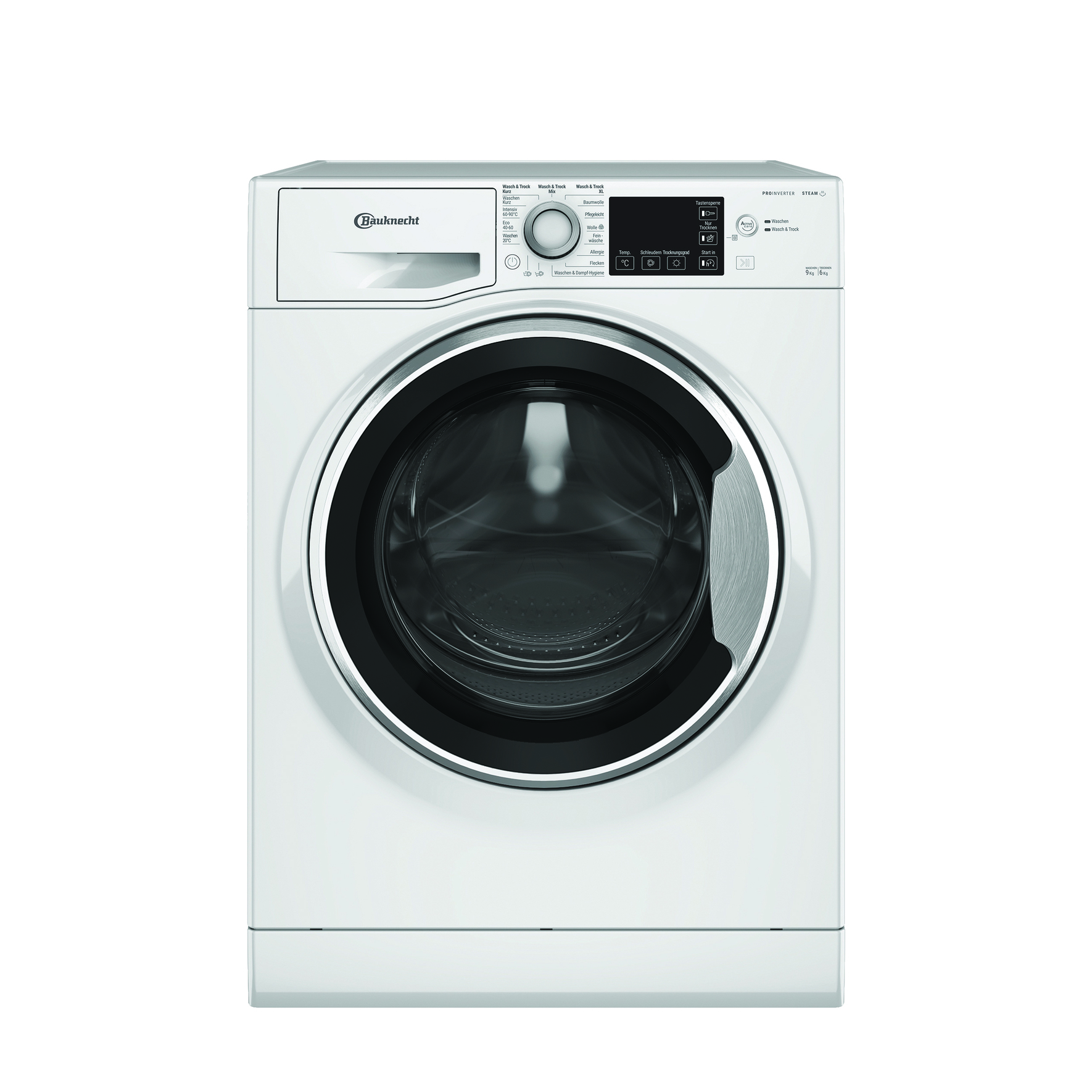
Bauknecht WADR ACTIVE 9614 D washer-dryer

Bauknecht WADR ACTIVE 9614 D, 9 kg washing / 6 kg drying

If you’re comparing models with a specifically listed stain-removal option, check whether it’s suitable for your napkins’ care instructions.

Washing capacity of 9 kg and drying capacity of 6 kg; the model lists an anti-stain programme at 20 °C and 1400 rpm.

View at Joybuy
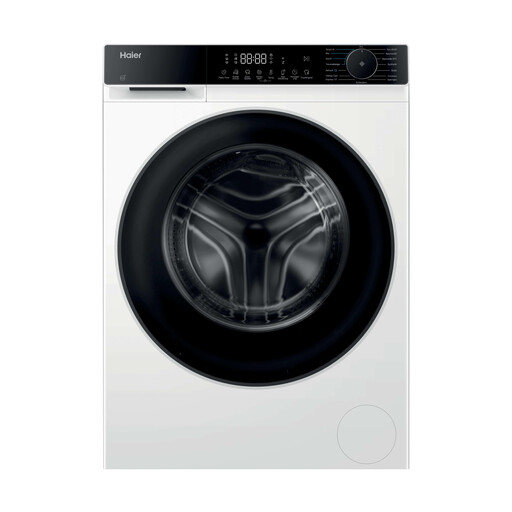
Haier X5 Series HWD120-BP14357U1 washer-dryer

Haier X5 Series HWD120-BP14357U1, 12 kg washing / 8 kg drying

If you’re planning to dry a larger load, compare the stated drying capacity of 8 kg with the amount of laundry you usually wash.

Washing capacity of 12 kg and drying capacity of 8 kg; the model is listed with 14 programmes, app control and a steam function.

View at Joybuy

Frequently asked questions

Can I tumble-dry all cloth napkins straight after washing?

No. Always follow the care label on each napkin: a crossed-out tumble-dryer symbol means it must not be tumble-dried, while dots indicate the permitted drying settings. The label also shows the recommended maximum washing temperature. The care symbols from GINETEX Germany and the German Cosmetic, Toiletry, Perfumery and Detergent Association are provided by Germany’s consumer advice centre.

How should I deal with visible food stains?

Where possible, don’t let stains dry in; treat them promptly. Sort napkins by fabric and care instructions, then choose a detergent and programme to suit them. Germany’s consumer advice centre recommends this approach.

What should I check before installing the appliance?

Compare the dimensions of the specific appliance with the space you have in mind, and follow the installation instructions. Bosch lists dimensions of 848 × 598 × 590 mm for the WNA13441, while Siemens lists 848 × 598 × 622 mm for the WN54C2A40. These differences show why one set of standard installation dimensions won’t suit every model.

Which consumption figures matter when comparing models?

Compare figures for wash-only cycles separately from those for combined wash-and-dry cycles, and make sure they use the same basis, such as kWh per 100 cycles. Which operating mode matters more for your household depends on how often you machine-dry your laundry. Germany’s consumer advice centre also distinguishes between operating modes when comparing appliances.