
Lieferung heute & morgen

Qualitätsgarantie

Willkommens-Angebote freischalten: KOSTENLOSE Lieferung | Bis zu 80 % RABATT | Kostenlose 30-Tage-JoyPlus-Testphase
App herunterladen
A clothes rail can provide extra storage in the bedroom, hallway or utility room without the need for a built-in wardrobe. However, product images and terms such as “Heavy Duty” or “extra sturdy” alone reveal little about whether a product is genuinely suitable. What matters are verifiable details about load capacity, dimensions, materials, castors and adjustability.
With a double clothes rail, the load capacity is sometimes only given as a combined figure. In practice, it is important to know how much weight each clothes rail and each shelf can support. If coats, shoes and bags are hung or stored together, unclear weight distribution can make the structure unstable.
You should therefore look for details such as:
The actual load limit should not be exceeded. Castors, uneven floors and frequent movement can place additional strain on the structure.
A clothes rail with castors is practical when changing clothes seasonally or using a room flexibly. However, without locking brakes, a clothes rail on castors may move when clothes are being hung up or removed.
Check the following before buying:
An adjustable clothes rail can often be adapted to the available wall width. However, the maximum width is not automatically suitable for every home. Measure the required floor space, including the door opening, skirting board and clearance for movement.
As well as width, height and depth are important. A deep metal clothes rail may offer more room for hangers, but it could restrict passage in a narrow hallway.
A lower load capacity is sufficient for a few shirts and lightweight accessories. Winter coats, suits and filled bags, on the other hand, require a sturdier construction. With several levels, the load should be distributed as evenly as possible.
For example, the JOYFURNOS Double Garment Rack is specified with a maximum static total load of 80 kg. The product description also states 35 kg per clothes rail and 10 kg for the lower rails. These figures should be used as a guide for the intended use, not as an invitation to load the rail to its maximum capacity.
A metal clothes rail made from steel or carbon steel is designed for different uses from a lightweight model made from plastic or thin-walled components. Relevant points include:
For indoor use, a coated metal surface is generally sufficient. Products expressly intended for indoor use should not be used outdoors on a permanent basis. A soft, slightly damp cloth is usually enough for cleaning; abrasive products can damage the coating.
Many clothes rails are supplied for self-assembly. Details about the assembly time and the number of people required can help with planning. After assembly, check that all connections are secure and tighten them if necessary.
A clothes rail is primarily suitable for hanging garments. Models with lower rails or shelves can also hold shoes, bags and folded textiles. For smaller rooms, a narrow coat stand with a well-organised layout may be more practical than a wide model with unused capacity.
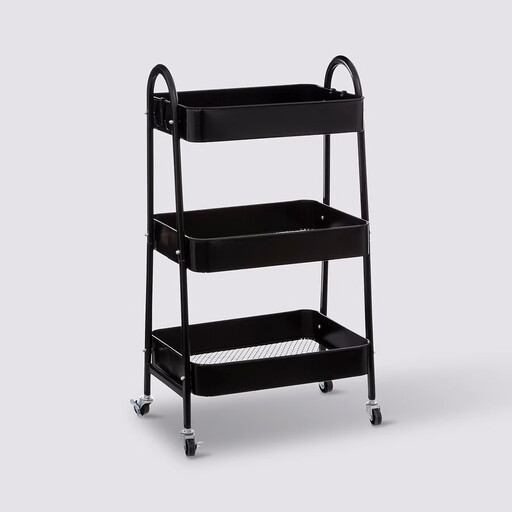
Why this product suits this profile: With three levels, this compact trolley is designed for kitchen, bathroom or bedroom accessories and takes up relatively little floor space at 44 x 32 x 78 cm.
The product description specifies three levels, four castors with brakes and a load capacity of 3 kg per level. This makes it easier to plan how it will be used than with an unspecified load capacity.
Three storage surfaces, a steel construction, four swivel castors with brakes and a stated assembly time of around 15 minutes.
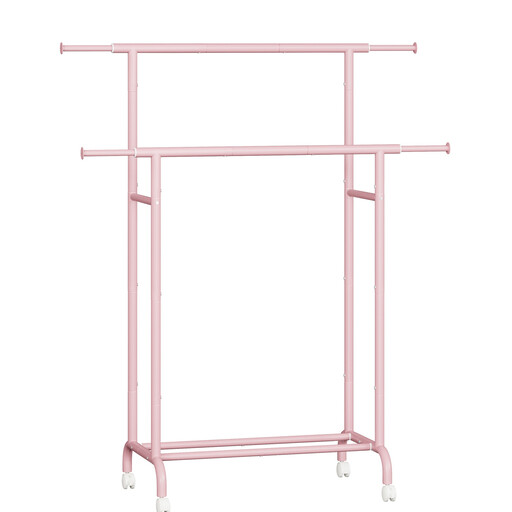
Why this product suits this profile: Two adjustable clothes rails and castors make it suitable for households with changing wardrobes, utility rooms or a temporary clothes area.
The width, height and load capacities are clearly specified: width of 83–120 cm, height of 156 cm, static total load of 80 kg and 35 kg per clothes rail. The castors can be locked.
Adjustable width, two hanging levels, a steel frame, lockable swivel castors and assembly tools supplied.
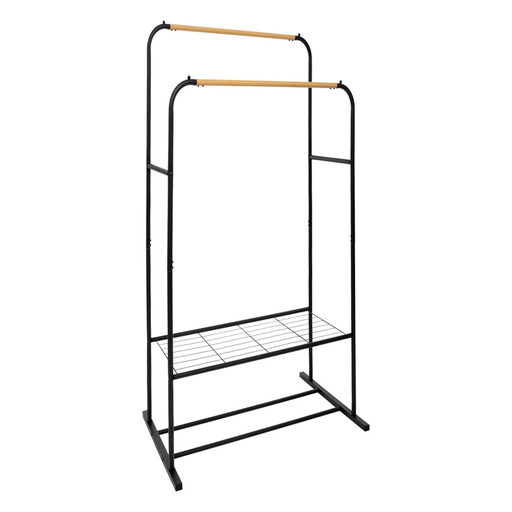
Why this product suits this profile: The double design is intended for users who want to sort clothing separately or need additional space for seasonal garments.
The available information distinguishes between the individual rail and the complete structure: 8 kg per rail and 22 kg for the entire clothes rail, including the base plate.
Two metal rails, a base plate and clearly stated load capacities for both the rail and the complete product.
Not every storage need is related to clothing. A kitchen trolley, serving trolley or 3-tier trolley can hold cleaning products, provisions, towels or toiletries in smaller homes. When comparing products, pay particular attention to the distance between levels, individual load capacity and castor brakes.
The 5five Blackwood Trolley with three levels measures 43.5 x 28.5 x 75 cm, weighs 6 kg and has a stated maximum total load of 15 kg. It is intended for indoor use and is supplied for self-assembly. The product details state an assembly time of around 20 minutes.
We have put together a complete, regularly updated list of products that fully meet these strict selection criteria and the safety regulations applicable in the EU.
That depends on the wardrobe. A lower load capacity is sufficient for lightweight clothing. Coats, shoes and bags require more reserve capacity. The key question is whether the manufacturer states the total load and individual load capacity per rail or level separately.
Castors generally move more easily on firm, level floors. On deep-pile carpet, moving the rail may require more effort and stability may be reduced. Apply the brakes as soon as the rail is in its intended position.
Check the screw fittings regularly, keep the castors free from hair and dust, and clean the surface with a soft cloth. A clothes rail intended for indoor use should be kept dry and not exposed to moisture or direct heat for prolonged periods.