
Lieferung heute & morgen

Qualitätsgarantie

Willkommens-Angebote freischalten: KOSTENLOSE Lieferung | Bis zu 80 % RABATT | Kostenlose 30-Tage-JoyPlus-Testphase
App herunterladen
A clothes rail can provide extra storage in your bedroom, hallway or dressing room. But not every model will suit every ceiling height, type of clothing or wall. Buyers often end up with the wrong product because the pictures suggest it will take up less space or be more stable than the technical details actually indicate.
A telescopic clothes rail can be adjusted, but it still needs enough height and width. For models with floor-to-ceiling supports, you also need to allow for skirting boards, sloping ceilings and furniture. The minimum and maximum dimensions are what matter, not just the product image.
The stated maximum load usually applies to the whole structure, not automatically to each individual rail. Heavy winter coats, wooden hangers or bags can put extra strain on particular points. So distribute clothes evenly. For a clothes rail that requires no drilling, it’s also important for the floor and ceiling to be sturdy, clean and as level as possible.
A wall-mounted coat rack or towel rail will generally need drilled holes and suitable fixings. These aren’t always included. With freestanding systems, stability can depend on correct assembly and alignment. Before you buy, check whether tools, hooks and assembly instructions are included.
A space-saving clothes rail with a small footprint is a good choice for a small flat. An adjustable model should fit your room without blocking walkways. A system 75 to 126 cm wide may suit a narrow wall or alcove. Larger options, 124 to 226 cm wide, provide more hanging space but need more room.
Height matters too. Some telescopic systems can be adjusted between 200 and 295 cm. Before assembly, measure the actual ceiling height in several places, as ceilings aren’t always completely level.
Metal tubes, steel and powder-coated finishes are commonly used for clothes rails and shelving systems. However, the material alone doesn’t tell you how stable the whole structure will be. Look out for:
A metal storage rack is handy for accessories or folded textiles, while a clothes rail for hanging garments distributes weight differently.
A clothes rail that requires no drilling can be a flexible option for rented homes. For tension-mounted or telescopic models, the floor and ceiling need to be sturdy enough. Don’t position the pressure points against delicate wallpaper, loose panels or damaged surfaces.
For a wall-mounted coat rack, the wall material, wall plugs and screws are all important. Pre-drilled holes make positioning easier, but you’ll still need to choose suitable fixings.
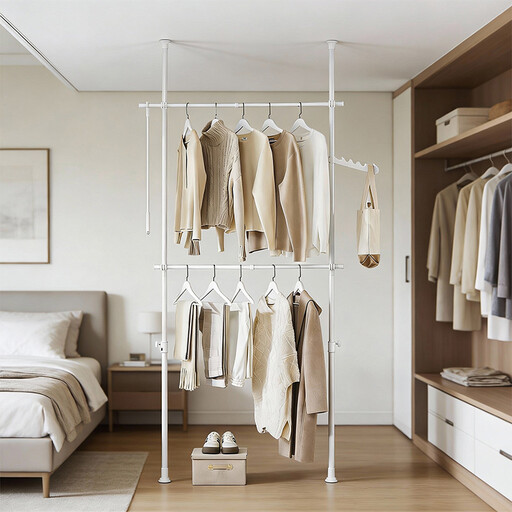
Why this product suits this profile: This slimline system is ideal for bedrooms, small dressing areas and rented homes. Its width adjusts from 75 to 126 cm, and its height from 200 to 295 cm.
The specific adjustment ranges and maximum load capacity of up to 25 kg make it easier to understand what the rail can handle. According to the product description, it doesn’t need to be fixed to a wall.
Two adjustable rails, a side hook, a net weight of 3.5 kg and compact packaging dimensions.
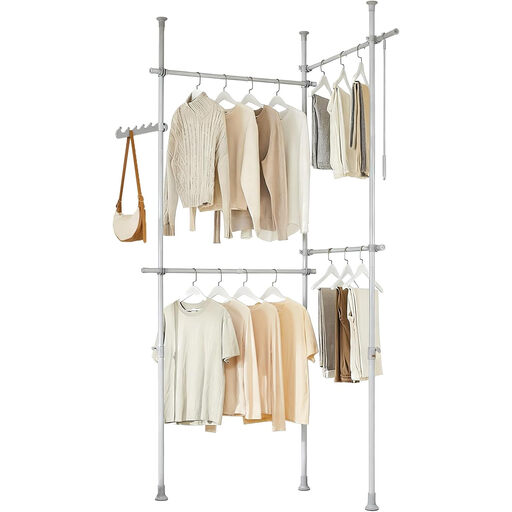
Why this product suits this profile: This larger version offers several levels for hanging clothes and accessories. It can be used in a bedroom or walk-in wardrobe without the need for traditional wardrobe carcasses.
The adjustable width of 124 to 226 cm and stated load capacity of up to 65 kg make planning easier. Even so, the weight should be distributed evenly.
Three adjustable rails, four clothes rails, ten extra hooks and metal tubes with plastic connectors.
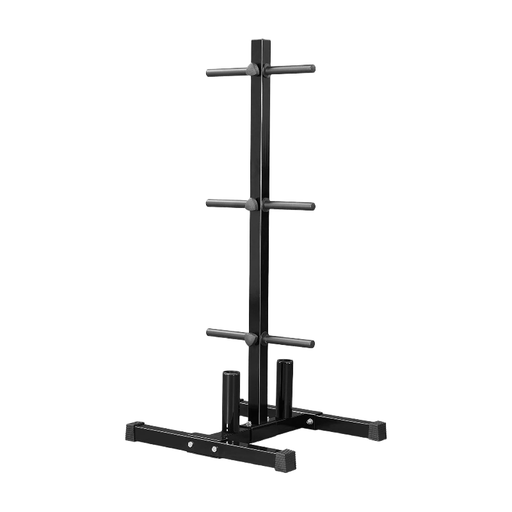
Why this product suits this profile: For fitness enthusiasts, this vertical system provides dedicated storage for weight plates and barbell bars in a home gym.
The product details specify six plate holders, two barbell holders and a maximum load capacity of 400 kg. Heavier plates should be placed on the lower holders.
Powder-coated metal, six 28-mm-diameter holders, two 60-mm holders and protective feet.
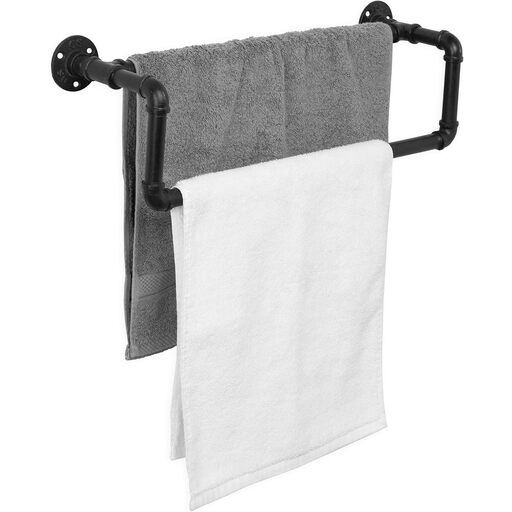
Why this product suits this profile: This wall-mounted towel rail is ideal for a bathroom, utility room or small hallway when you want to make use of vertical wall space rather than floor space.
The design has two bars and clear overall dimensions of 55,1 × 13,5 × 14,7 cm. Plan for the required wall mounting and the fact that fixings aren’t included before you buy.
Metal construction, two tiers and a matt black finish, with cleaning information provided.
We’ve put together a complete, regularly updated list of products that meet these strict selection criteria and fully comply with the safety regulations in force in the EU.
Stability depends on the design, the surface it stands on, the clamping force and the load. A telescopic model should stand on a level surface or be secured between sturdy surfaces. Don’t exceed the stated load capacity. Heavy garments should be spread out as evenly as possible.
First measure the available wall or alcove width, as well as the room height. For narrow spaces, models around 75 to 126 cm wide may be a good fit. You should also allow for the depth of the frame and enough room to move in front of the clothes.
You can’t determine its lifespan simply from the material it’s made from. It depends on the load, assembly, moisture and care. Regularly checking the screws, connectors, feet and surfaces helps you spot wear early. In damp rooms, keep metal surfaces dry and clean them according to the manufacturer’s instructions.