
Lieferung heute & morgen

Qualitätsgarantie

Willkommens-Angebote freischalten: KOSTENLOSE Lieferung | Bis zu 80 % RABATT | Kostenlose 30-Tage-JoyPlus-Testphase
App herunterladen
Choosing the right cat litter is a fundamental decision for a clean home and your cat's well-being. Clumping litter, in particular, promises easy cleaning and long-lasting freshness. However, the market is filled with products whose marketing promises often don't hold up in practice. Many cat owners are familiar with the problems: dust spreading throughout the home, unpleasant odours despite daily cleaning, and clumps that fall apart during removal.
As your Joybuy Product Recommendation Officer, I'll help you recognise these common pitfalls and make an informed decision. Instead of falling for exaggerated advertising claims, we'll focus on the crucial product features that truly make a difference.
Before you buy cat litter, you should be aware of the most common issues that lead to frustration and unnecessary expense.
To make a well-informed choice, you should examine three core parameters. These determine the performance, handling, and suitability for your household.
The raw material is the most important characteristic of a cat litter and defines its fundamental functions.
High absorbency ensures that liquid is quickly locked in before it can seep to the bottom of the litter box. This is the foundation for stable clump formation and odour control. Look for objective features that support the odour-binding effect:
The size of the granules affects both cleanliness and comfort for your cat.
Here are some recommendations tailored to different needs and households.
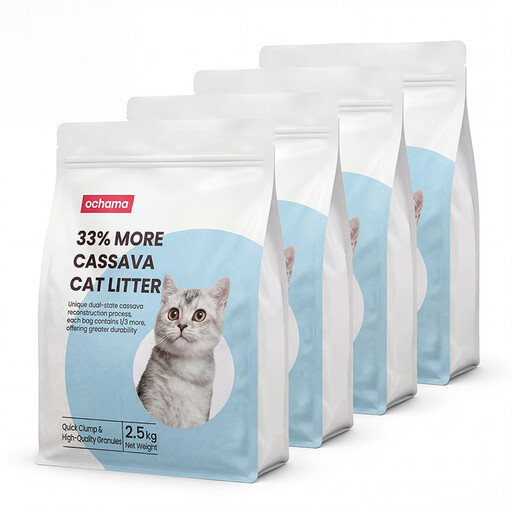
Why This Fits Their Persona: Ideal for owners seeking a natural, plant-based solution without artificial additives. The tapioca and corn starch base is a sustainable choice.
The description highlights a high-quality, powder-free composition, which bypasses the "low-dust" trap. The phrasing "strong clumping" and "easy scooping without sticking" addresses the problem of unstable clumps.
Made from natural, plant-based materials (tapioca starch, corn starch, herbal fibre). Free from perfume, dyes, and formaldehyde according to the manufacturer.
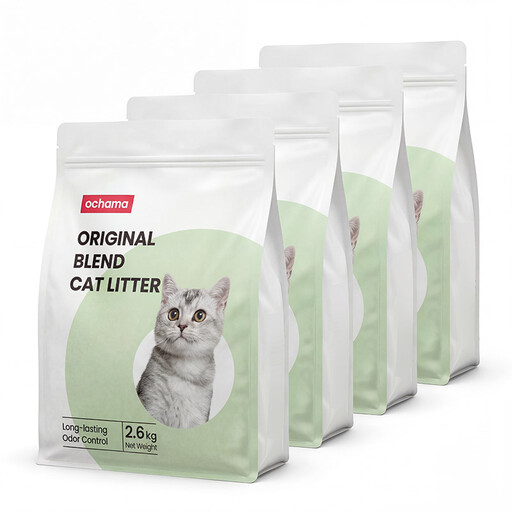
Why This Fits Their Persona: This hybrid litter is engineered for maximum performance. It's ideal for multi-cat households that demand both strong clumping and highly effective odour control.
Addresses the "weak odour control" and "unstable clumps" traps with a scientifically balanced blend: bentonite for firm clumps and tofu for odour absorption through its porous structure.
Combines the benefits of bentonite (clumping performance) and tofu litter (odour control, low weight). The bulk pack is economical for multi-cat households.
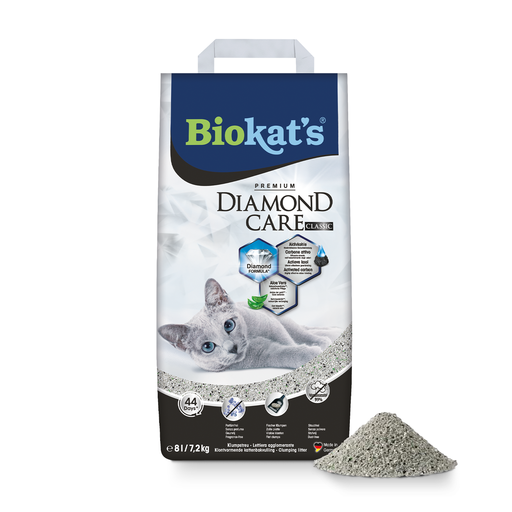
Why This Fits Their Persona: Perfect for owners who place the highest demands on hygiene and their cat's health. The focus is on being dust-free and providing effective odour neutralisation through proven technologies.
Tackles the "dust trap" head-on by stating it is "99% dust-free." The "odour trap" is bypassed by using activated carbon (Diamond Formula) for demonstrably effective odour binding, rather than relying solely on perfume.
Contains activated charcoal for highly effective odour control and aloe vera for gentle care. The product is made in Germany, which is a mark of quality for many buyers.
We have compiled a complete, up-to-date list of products that meet these strict selection criteria and comply with current regulations.
1. How often should you completely change clumping litter? Even with daily removal of clumps and solid waste, it is recommended to completely replace all the litter every 2 to 4 weeks. This depends on the number of cats, the size of the litter box, and the quality of the litter. A regular complete change ensures maximum hygiene and prevents the build-up of bacteria and stubborn odours.
2. Can you flush plant-based clumping litter down the toilet? Caution is advised here. Some manufacturers of tofu litter state that small quantities can be flushed. However, this is highly dependent on local wastewater regulations and the condition of your home's plumbing. To avoid blockages, disposal in the household waste or—if permitted regionally—the organic waste bin is the safer method. Large quantities should never be flushed down the toilet.
3. What is the difference between clumping and non-clumping litter?Clumping litter forms solid clumps on contact with liquid, which can be specifically removed. This keeps the rest of the litter cleaner for longer. Non-clumping litter, such as silica crystals or classic wood pellets, absorbs liquid without forming solid clumps. With these, the entire contents of the litter box must typically be completely replaced at shorter intervals.