
Lieferung heute & morgen

Qualitätsgarantie

Willkommens-Angebote freischalten: KOSTENLOSE Lieferung | Bis zu 80 % RABATT | Kostenlose 30-Tage-JoyPlus-Testphase
App herunterladen
Mandatory smoke detector regulations in Germany underscore the need for fundamental fire safety in every home. But while the danger of fire is well-known, the risk from colourless and odourless carbon monoxide (CO) is often underestimated. A comprehensive safety strategy addresses both sources of danger. This guide will help you understand how different detectors work and make an informed choice for your living situation, whether for a home, a rented flat, or a motorhome.
Choosing the right device depends on your specific requirements for connectivity, maintenance, and certification. Here are three key aspects to simplify your decision.
The type of connectivity determines how you are alerted in an emergency.
The power supply is a critical factor for reliability. Models with a sealed smoke detector 10-year battery offer a significant convenience advantage. They eliminate the need for annual battery changes and reduce maintenance to a minimum. After the ten years have passed, the entire unit is replaced, ensuring compliance with its recommended lifespan.
Certifications are not marketing tools but objective proof of compliance with safety standards. Look for the following norms:
Based on objective product features and use cases, we have compiled a few models that cater to different needs.
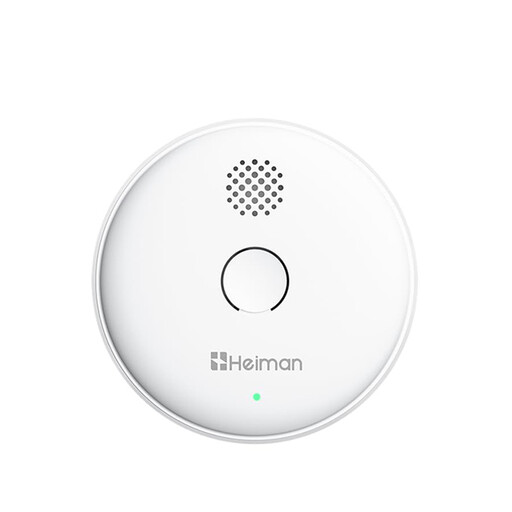
Why It Stands Out: This model focuses on providing building-wide alerts. The ability to link up to 40 devices via radio frequency creates a closed safety network throughout the entire building. If one detector goes off, they all sound the alarm.
Advantages:
Who is it for? Ideal for owners and landlords of multi-storey houses or larger flats who want to ensure seamless alerts in all areas.
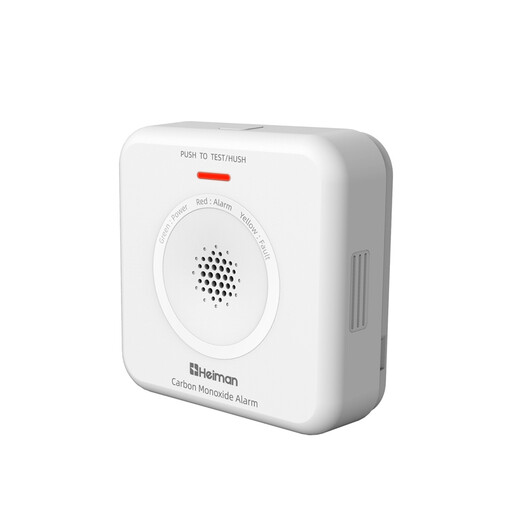
Why It Stands Out: This Wi-Fi CO detector integrates into your smart home. By connecting to the Tuya or SmartLife app, you receive real-time warnings on your smartphone, no matter where you are.
Advantages:
Who is it for? A suitable choice for tech-savvy users, families who want to stay informed remotely, and individuals who need a flexible safety solution for travel.
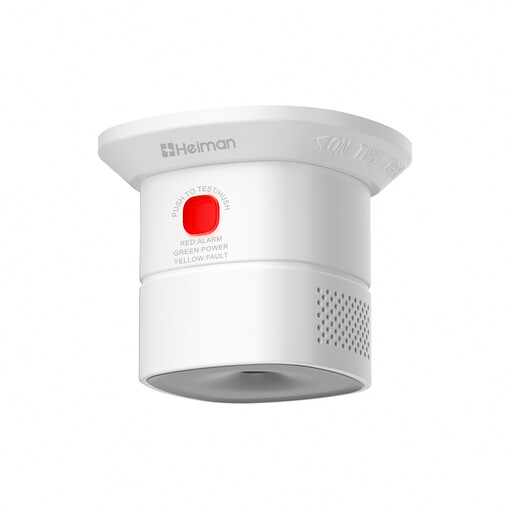
Why It Stands Out: This model proves that safety doesn't have to come at the expense of aesthetics. Awarded the Red Dot Design Award, its minimalist design blends unobtrusively into modern living spaces.
Advantages:
Who is it for? Perfect for design-conscious users looking for a reliable and certified CO detector that integrates discreetly into the interior of flats, offices, or hotel rooms.
The products presented here cover common use cases. However, if you are looking for more specific solutions or other models, you can find a wider selection in our Safety Sensors & Detectors category.
1. What is the difference between a smoke detector and a CO detector? A smoke detector (or smoke alarm) detects smoke particles in the air produced during a fire and triggers a loud alarm. A CO detector, on the other hand, measures the concentration of carbon monoxide, a toxic gas produced during the incomplete combustion of materials like gas, oil, wood, or coal. Both devices are necessary for comprehensive protection as they react to different dangers.
2. Where should smoke and carbon monoxide detectors be installed? Installation locations are regulated by regional building codes and may vary slightly. As a general rule for smoke detectors: in all bedrooms, children's rooms, and hallways that serve as escape routes. CO detectors should be placed near potential sources of danger such as gas boilers, fireplaces, or in garages. An additional installation in bedrooms provides increased safety. Always follow the manufacturer's installation instructions.
3. How often should I test the detectors? Most manufacturers recommend a monthly function test. To do this, press the test button on the device until the alarm sounds. This ensures that the electronics, the alarm, and the battery (on battery-powered devices) are functional. You should also regularly clean the outside of the devices with a dry cloth to prevent dust accumulation, which could impair their function.