If you want to listen repeatedly without worrying about your headphones running out of battery, a comfortable, passively isolating wired in-ear monitor is a natural starting point, provided its connector is compatible with your device. If your main aim is to reduce steady road noise or switch between noise cancelling and ambient mode, a wireless ANC in-ear may suit your routine better; just bear battery life and fit in mind. Manufacturers’ claims about isolation and sound are no substitute for testing your own recording.
Who are the different types of in-ear headphones for?
Groove analysts
If you listen to the kick, snare and quieter beats over and over, what matters is whether the in-ear headphones’ sound profile helps you distinguish the elements in your recording. Manufacturers describe the sound profiles of their models in different ways, so try them with your own groove.
Noise-sensitive coach passengers
If road noise distracts you, a good-fitting eartip or switchable ANC is worth looking for. A good fit can help you avoid turning the volume up unnecessarily; the WHO recommends well-fitting or noise-reducing headphones in noisy environments.
Long-haul listeners
For longer stretches of your journey, comfort and a choice of eartip sizes matter. With wireless models, you should also check the stated battery life for the way you plan to listen.
What should you look for when buying?
Wired, passively isolating monitor
A good fit if: you often replay short passages and have a compatible cable connection.
Bear in mind: cables and strong isolation can be awkward on a coach or make announcements harder to hear.
Monitor with cable and Bluetooth
A good fit if: you want to listen wirelessly on the go but have the option of switching to a wired connection.
Bear in mind: Bluetooth requires a charged battery and does not automatically mean the headphones have ANC.
Wireless ANC in-ear
A good fit if: you want to reduce steady road noise and use an ambient mode when needed.
Bear in mind: ANC does not block every sound; changing voices may still be audible, and battery life depends on the mode.
| Priority | What to check when buying | Who is it important to? |
|---|
| Distinguishing beats in a groove |
Listen to the same short extract at a similar, moderate volume and compare the sound profile with your recording. |
If I want to assess the kick, snare and quieter beats repeatedly, what matters to me is how they sound with my own groove. Around 33% of consumers put groove analysis first. |
| Reducing road noise |
Check how the eartips fit and whether you can still hear important announcements. Manufacturers’ isolation claims are not a personal measurement. |
I want to avoid drowning out road noise by turning the volume up too high, while still being aware of my surroundings. Around 27% of consumers prioritise reducing road noise. |
| Fit on longer journeys |
Compare the sizes and materials of the eartips supplied, and see how they feel over your usual listening time. |
If I want to listen for a longer stretch of my journey, I need eartips that feel comfortable and secure to me. Around 20% of consumers prioritise long-term comfort. |
| Connection and controls |
Check your device’s connector and whether you need an adapter. If a model comes in several versions, make sure you distinguish between the wired and Bluetooth options. |
I want to connect my in-ears to my device without any fuss and choose whether to use a cable or Bluetooth. Around 20% of consumers prioritise flexibility in connection and controls. |
Which buying misconceptions should you avoid?
-
Assuming an advertised dB isolation rating guarantees the same result in your ears
Shure and Etymotic publish manufacturer figures for specific models. These do not measure how the headphones fit you or the noise on a coach; strong isolation can also make announcements harder to hear.
Try suitable eartips at a moderate volume and make a conscious effort to listen out for announcements during your journey.
-
Assuming Bluetooth, ANC and a monitor’s wireless version are the same thing
Bluetooth describes a type of connection; ANC is a noise-cancelling feature. Sennheiser’s information about the Bluetooth module and what’s included applies to the IE 100 PRO Wireless, not automatically to every IE 100 PRO version.
Check the full model name, what’s included and the connection type against your playback device.
-
Turning the volume up high instead of getting the right fit
The WHO points out that sound level, duration and frequency of exposure all matter for your hearing.
Check the fit first, keep the volume moderate and take breaks if you listen for a long time.
-
Checking cancellation and warranty terms only after opening the packaging
For certain sealed goods that are unsuitable for return for health protection or hygiene reasons, a statutory exception to the right of cancellation may apply once the seal has been removed. A voluntary guarantee is not the same as your statutory rights if a product is faulty.
Before opening the packaging, check the terms for the specific product and distinguish guarantee information from your statutory rights relating to faulty goods.
Which brands are worth considering?
Shure
The wired SE215 and SE425 are passively isolating monitors with detachable cables and a choice of eartips.
- Shure states that both models can reduce noise by up to 37 dB when used with suitable eartips. The manufacturer describes the SE215 as having deep bass, while the SE425 offers precise, natural sound from two drivers.
- The isolation figure is a manufacturer’s rating, not a measurement of how the headphones fit you on a coach. The different descriptions of their sound do not tell you which monitor will suit your recording. The German product pages list both models as “Professional Use Only”; this does not imply any legal ban on private listening.
Etymotic
The ER2SE is described by the manufacturer as having a flat sound profile; the ER2XR is an alternative with a different tuning and boosted bass.
- Etymotic states that the wired ER2SE offers passive noise reduction of 35–42 dB and has a detachable cable.
- The fit and comfort of the eartips will vary from person to person. The ER2XR does not have the same sound profile as the ER2SE.
Sennheiser
The IE 100 PRO is a wired monitor. The version specifically labelled Wireless adds a Bluetooth module and also includes a cable.
- Sennheiser describes the fit as ergonomic and supplies a choice of eartips. The manufacturer states that the IE 100 PRO Wireless offers up to 10 hours of playback.
- The battery-life figure and Bluetooth module apply to the Wireless version, not automatically to every IE 100 PRO. Bluetooth does not indicate that ANC is included.
Audio-Technica
The ATH-E40 is a wired monitor with a detachable A2DC cable.
- Audio-Technica describes it as having powerful bass and balanced mids and highs. The box includes silicone eartips in four sizes.
- The 1.6 m cable ends in a 3.5 mm plug. The manufacturer’s sound description is not an independent assessment of a drum groove; check that the plug is compatible with your playback device.
Sony
The WF-1000XM6 is a wireless ANC alternative with an ambient mode, not a wired stage IEM.
- Sony states that it offers up to 8 hours of music playback with ANC switched on, and includes an ambient sound mode.
- According to Sony, ANC is most effective against steady, low-frequency noise; changing voices may still be audible. These claims do not guarantee that a particular coach journey or recording will sound free from disturbance.
Joybuy products for wired and wireless listening
The products below include both wired and wireless in-ears. For wired versions, check that the connector suits your device; for wireless models, remember that they need charging.
 No image available
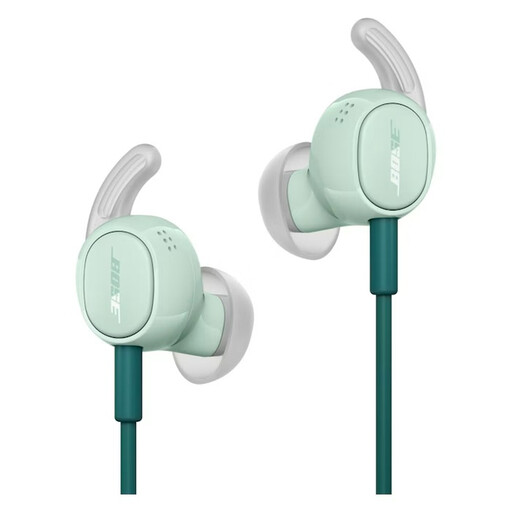
Bose Noise Cancelling Wired Earbuds, Dewdrop Mint
The wired version may suit you if you want to listen without pairing over Bluetooth.
The product description lists USB-C audio, noise cancelling and an Aware mode. The connector is designed for compatible USB-C devices.
Joybuy
 No image available
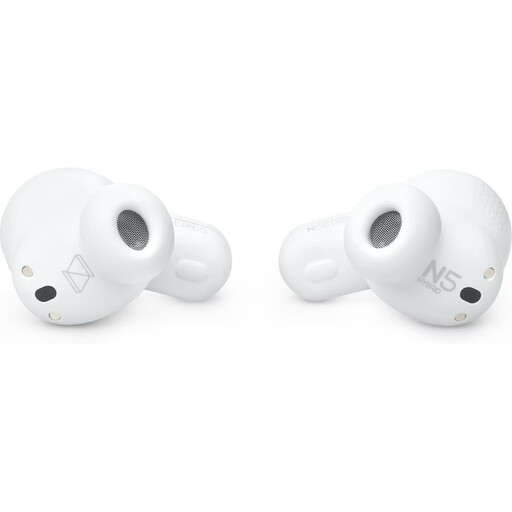
AKG N5 Hybrid True Wireless Earbuds, White
If you want to listen wirelessly, the product description says this model offers Bluetooth and a 2.4 GHz USB-C receiver.
The description lists True Adaptive Noise Cancelling. Check which connection works with your playback device.
Joybuy
 No image available
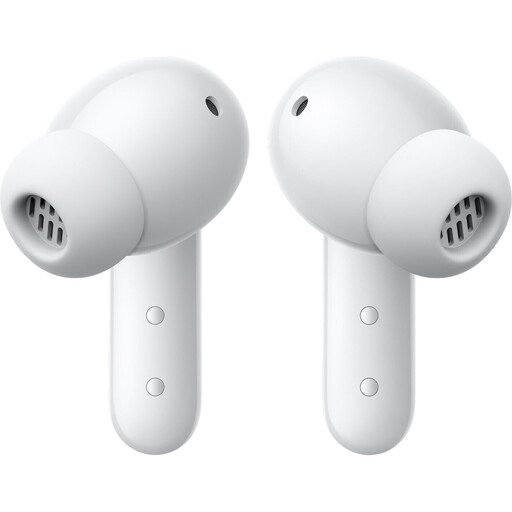
CMF Buds 2 Plus Light Grey
ANC and Transparency Mode may be a useful combination if you want to reduce road noise while still being able to hear your surroundings when needed.
The description lists LDAC and Bluetooth 5.4, with up to 33 hours with noise cancelling and up to 61.5 hours in total with the charging case.
Joybuy
 No image available
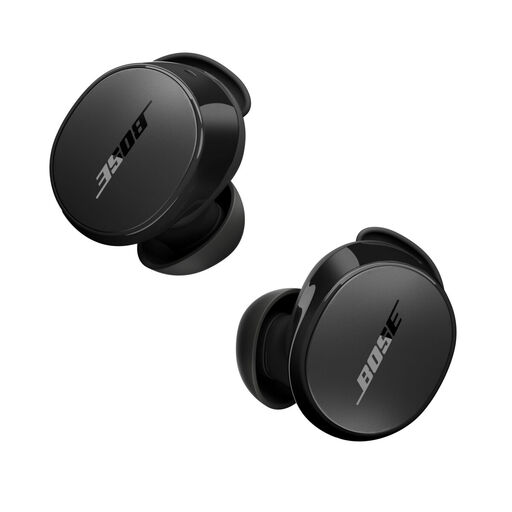
Bose QuietComfort Wireless Noise Cancelling Earbuds, Black
If you want to listen wirelessly and switch between ANC and awareness of your surroundings, the product description lists these features.
Features include Bluetooth 5.3, three sizes of silicone eartips and up to 8.5 hours of battery life per charge.
Joybuy
 No image available
Sony MDR-EX110AP Deep Bass Earphones, Metallic Black
These wired in-ears may suit you if you want to listen without worrying about a headphone battery.
The product description lists a 3.5 mm connection, in-line controls and a microphone. Passive noise isolation depends on how the earpieces fit.
Joybuy
Frequently asked questions about in-ears on coaches
Do I need an adapter for wired in-ear headphones?
Only if the plug does not fit your playback device directly. Shure lists a 3.5 mm plug for the SE215, as does Audio-Technica for the ATH-E40. Check your device’s socket and, if necessary, whether an adapter is compatible.
How should I look after the eartips during and after a journey?
Keep your in-ears clean and dry in their case, and check the eartips regularly for dirt. Etymotic recommends cleaning detached rubber eartips with a damp cloth; for other models, follow their specific care instructions.
How can I protect my hearing as much as possible on a noisy coach journey?
The WHO recommends well-fitting or noise-reducing headphones so you do not turn the volume up unnecessarily in a noisy environment, and advises taking listening breaks. The WHO’s example of 80 dB for up to 40 hours per week describes sound exposure; it is not a smartphone volume setting that is the same for every pair of in-ears.
What are my rights regarding cancellation and faulty goods in Germany?
According to the consumer advice centre, online purchases generally come with a right to cancel, usually within 14 days; you must notify the retailer that you wish to cancel. Under § 312g BGB, an exception may apply to sealed goods that are unsuitable for return for health protection or hygiene reasons if the seal has been removed after delivery. Whether this applies to a particular product cannot be determined from the term “in-ear” alone. Statutory rights relating to faulty goods and a voluntary guarantee are separate.


