Spontaneous coastal macro photographers
If you want to capture small details on a walk without changing lenses, an in-built macro function and a rugged body may be important. Factor rain, splashes and sand into your choice.


For spontaneous close-ups in damp weather, a rugged compact camera with a macro function is a natural choice. Check the focusing distance and protection rating for the specific model. If you want to compose detailed shots of seedheads, a mirrorless camera with a macro lens offers 1:1 magnification, but means carrying extra kit. With a travel camera, check the minimum focusing distance at the zoom setting you’ll actually use. Wind-blown subjects remain a challenge, even with image stabilisation.
If you want to capture small details on a walk without changing lenses, an in-built macro function and a rugged body may be important. Factor rain, splashes and sand into your choice.
If you plan your close-ups and prioritise magnification and focus control, a mirrorless camera with a suitable macro lens could be a good fit. Remember to allow for the extra lens you’ll need to carry.
If you want to capture the walk as well as the seedheads, choose a compact travel camera based on focal length, minimum focusing distance and how much you want to carry. With zoom cameras, the distance you need from your subject depends on the zoom setting.
A good fit if: You want to capture accessible seedheads spontaneously, without changing lenses. OM SYSTEM and PENTAX list macro modes for their respective models.
The trade-off: A short focusing distance alone doesn’t guarantee a particular magnification or sharp images in windy conditions.
A good fit if: You want to compose your close-ups carefully and don’t mind carrying an extra lens. OM SYSTEM lists a maximum magnification of 1:1 for the M.Zuiko Digital ED 60mm F2.8 Macro.
The trade-off: The camera and lens take up more room together. Check the protection ratings for the camera and the attached lens separately.
A good fit if: You’ll mainly be photographing your walk, with close-ups only occasionally. Compare the minimum focusing distance at the focal length you plan to use.
The trade-off: On the Canon PowerShot G7 X Mark III and Sony DSC-RX100M7A, the stated minimum focusing distance is much greater at the telephoto end than at the wide-angle end.
| What you’re looking for | What to check before buying | Who it matters most to |
|---|---|---|
| Getting close to small subjects | Compare the macro mode and minimum focusing distance at your preferred zoom setting. For a macro lens, check the magnification too. | If I want seedheads to fill the frame, I look beyond the shortest focusing distance. Around 36 % of consumers prioritise close-up photography. |
| Protection on the coastal path | Check the protection rating for the exact camera model. With a mirrorless camera, check the rating for the attached lens as well. | If I’m taking photos in damp, sandy weather, I want to know what conditions my kit can handle. Around 29 % of consumers prioritise protection from coastal conditions. |
| What you’ll carry on your walk | Compare the weight of the complete set-up. With zoom cameras, check the minimum focusing distance at both ends of the zoom range. | If I want to carry my camera for the whole walk and only photograph seedheads occasionally, the total weight matters to me. Around 21 % of consumers prioritise travelling light. |
| Sharpness in windy conditions and macro | Check the macro function and focusing aids. In windy conditions, wait for a calmer moment or choose a shutter speed suited to the movement of your subject. | If I want to take carefully composed detail shots, I also need to account for subject movement. Around 14 % of consumers prioritise magnification and focus control. |
For the Canon PowerShot G7 X Mark III, the manufacturer lists around 5 cm at the wide-angle end and around 40 cm at the telephoto end. For the Sony DSC-RX100M7A, the figures are around 8 cm at the wide-angle end and around 100 cm at the telephoto end.
Check the minimum focusing distance at the focal length you actually want to use to photograph the seedhead.
The protection ratings for the OM-5 Mark II and the separately available M.Zuiko macro lens apply to the individual components.
Check that the lens is compatible, and check the protection ratings for both the camera body and the attached lens.
The OM SYSTEM Tough TG-7 manual notes that sand and other foreign matter can affect seals and contact surfaces.
Before exposing the camera to challenging conditions, check the covers and sealing surfaces in line with the instructions for your specific model.
The Wadden Sea National Park Authority allows photography only where visitors are permitted to go.
Stick to authorised, signposted paths and areas, and choose a composition you can reach from there.
For a coastal walk, the rugged Tough TG-7 and the OM-5 Mark II with a separately available macro lens offer two different kit options.
The WG-8 is a rugged compact option for photographing accessible small subjects in rough weather.
The PowerShot G7 X Mark III is a compact camera for walks, with features for carefully composed close-ups.
The RX100 VII is a compact travel-zoom alternative if close-ups are only one of the subjects you’ll be photographing.
The Joybuy camera options below are suited to a walk where keeping your kit light may be important. If seedheads are your main subject, check before buying that the macro function and minimum focusing distance will give you the composition you want.
 No image available
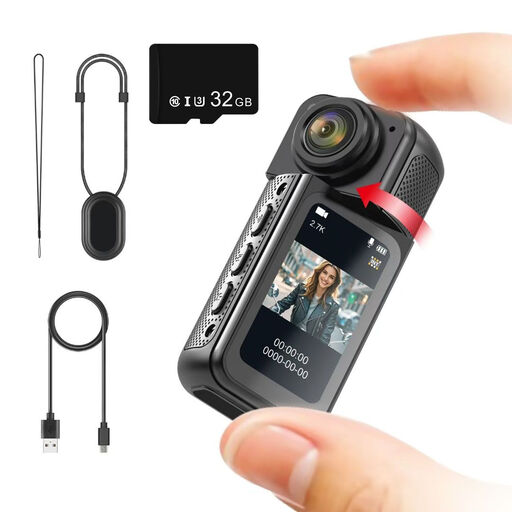
At a stated weight of 35 g, it could suit a walk where keeping your kit to a minimum matters. Check that its close-up function will work for seedheads.
The product title lists a 180° rotating lens, magnetic attachment, 1.47-inch IPS screen and an included 32-GB memory card.
 No image available
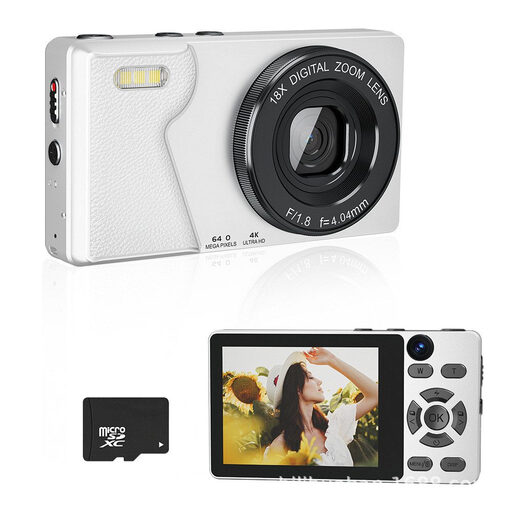
Its compact travel-friendly design could suit a walk with a variety of subjects. For seedheads, check that its close-focusing capability and framing meet your needs.
The product description lists 64-MP photos, 4K video, autofocus and image stabilisation. It also specifies a 2.8-inch display and a 2000-mAh battery.
 No image available
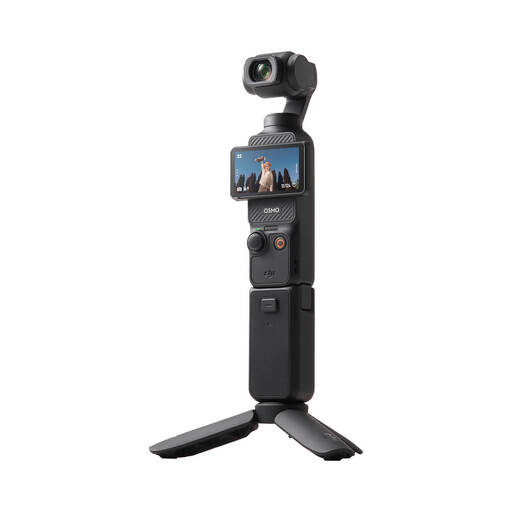
At a stated weight of 179 g, this camera is an option if you want to travel light on your walk. For close-ups, check that it’s suitable for the subject you have in mind.
The product details list 4K/120fps video, a 1-inch sensor, a rotating 2-inch touchscreen and 3-axis stabilisation.
 No image available
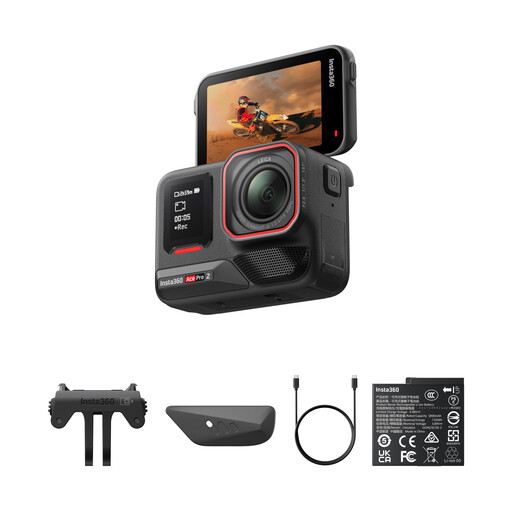
This action camera is an option for capturing moments on the go. If seedheads are your main subject, check before buying that its close-up capability will give you the composition you want.
The product details list 8K30fps video, a 1/1,3-inch sensor and a flip touchscreen. The safety information says to rinse the camera with fresh water and dry it thoroughly after contact with salt water.
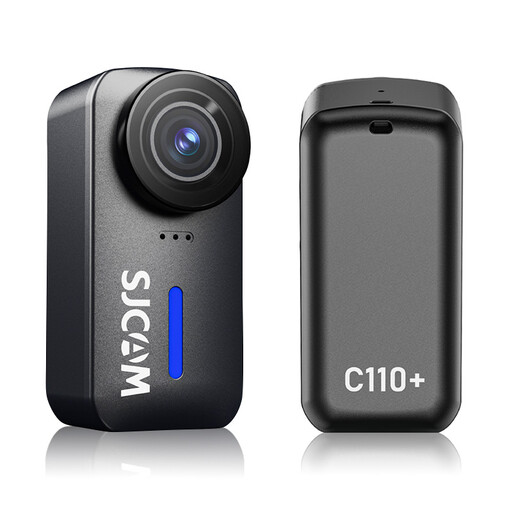 No image available
At a stated weight of 82 g, it may suit a walk where you want to keep your kit light. Check that its close-up function will work for seedheads.
The product title lists 20-MP photos and water protection to 30 m with the housing. The product description specifies 4K/30fps video and gyro stabilisation. Check the housing seal before use.
No. Check the zoom setting and magnification too. Canon lists around 5 cm at the wide-angle end and 40 cm at the telephoto end for the PowerShot G7 X Mark III. For the separately available M.Zuiko 60mm Macro, OM SYSTEM gives a maximum magnification of 1:1.
Image stabilisation can compensate for camera movement, but it won’t keep your subject still. In strong winds, wait for a calmer moment or adjust the shutter speed to suit the movement of the seedhead.
The OM Digital Solutions manual recommends checking the seals and contact surfaces on the battery/card and connector covers for dust, sand and other foreign matter. Even if a camera is marketed as waterproof, follow the instructions for your specific model.
The manufacturer doesn’t list an SD card or separate charger as included with the TG-7, so check the specific offer. If a product is faulty, you have statutory consumer rights against the seller. The Verbraucherzentrale distinguishes these from a voluntary manufacturer’s guarantee.
According to the Wadden Sea National Park Authority, you can take photographs where visitors are permitted to go. Use only authorised, signposted paths and areas, and follow local rules and signs. This does not amount to general permission to access all coastal areas.