
Lieferung heute & morgen

Qualitätsgarantie

Willkommens-Angebote freischalten: KOSTENLOSE Lieferung | Bis zu 80 % RABATT | Kostenlose 30-Tage-JoyPlus-Testphase
App herunterladen
Jackets draped over a chair, bags on the floor, and no place to hang a towel in the bathroom—scenarios like these quickly lead to clutter. The right coat hook or a well-designed hook rack can solve this problem, making smart use of unused space on walls and doors.
This guide is here to help. It introduces different types of hooks, explains key selection criteria, and presents a curated selection of models to make it easier for you to choose a functional and stylish storage solution.
The right hook depends on several factors: its intended use, the condition of your walls, and your personal interior design style.
The mounting method is a crucial criterion. It determines not only the installation effort but also the flexibility and load-bearing capacity.
The material shapes not only the look but also the durability of the hook.
Consider what you plan to hang. A single coat hook might be sufficient for a handbag or a light jacket. For a family hallway where multiple coats, scarves, and bags need a home, a hook rack with several hooks is the more practical choice. Always pay attention to the manufacturer's specified maximum load capacity to avoid overloading.
Here is a selection of different models, each suited for various applications due to their specific features.
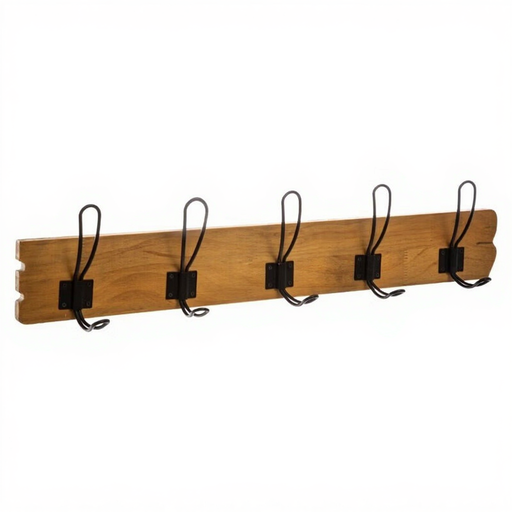
Why this model stands out: The "Raoul" hook rack combines a sturdy pine wood board with stable double hooks made of cast iron. This design offers plenty of space and a high load capacity, ideal for an entryway.
Advantages:
Who it's for: For households looking for a durable and spacious hook rack in a classic style for their hallway or entryway.
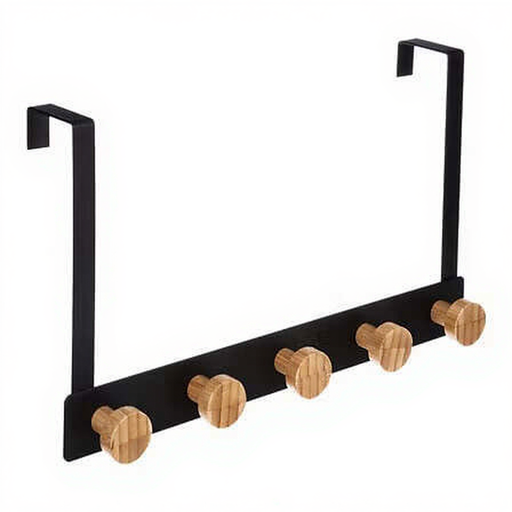
Why this model stands out: These over-the-door hooks make optimal use of existing space without any drilling. Simply hang it over the door to instantly add extra storage with five hooks.
Advantages:
Who it's for: For renters and anyone needing a quick, flexible, and damage-free storage solution for the bedroom, bathroom, or office.
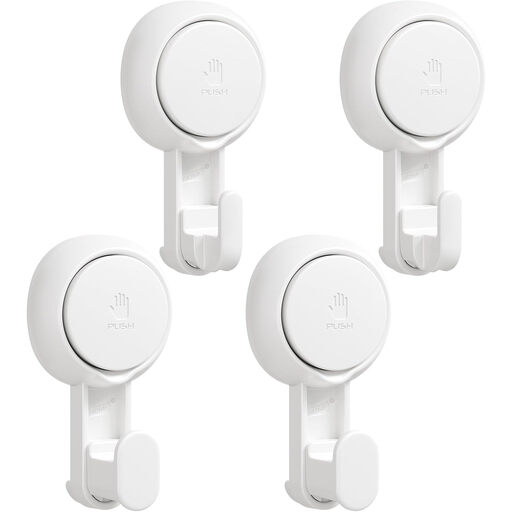
Why this model stands out: These suction cup hooks use vacuum technology to ensure a firm grip on smooth surfaces without drilling or adhesives. According to the manufacturer, installation takes just one second.
Advantages:
Who it's for: For organising bathrooms and kitchens, especially for hanging towels, bathrobes, or kitchen utensils on tiled walls.
If these suggestions don't include the perfect solution for your needs, there are countless other models to discover. From individual designer hooks to complete wardrobe systems, the selection is vast.
Browse our collection and find the ideal storage solution for your home. Discover our entire range of Shed Hanging Hooks
1. How do you install hooks without drilling? There are several methods. Suction cup hooks are suitable for smooth, airtight surfaces like tile or glass. Over-the-door hooks are simply hung over the top of a door. Another option is adhesive hooks, for which you must carefully follow the manufacturer's specified maximum load capacity and ensure they are suitable for the surface (e.g., wallpaper, plaster).
2. How much weight can a coat hook hold? The load capacity varies greatly depending on the hook type, material, and installation method. A wall hook securely anchored in a solid wall can easily hold over 10 kg, while the capacity of adhesive or suction cup hooks is usually limited to a few kilograms. Always refer to the manufacturer's specific guidelines. Stability also depends on the condition of the wall itself.
3. What is the best material for coat hooks? Stainless steel and powder-coated metal are very durable, rust-resistant, and easy to clean, making them ideal for hallways and bathrooms. A wooden hook rack creates a cosy atmosphere but should be properly treated for use in damp rooms to prevent swelling. Plastic is a lightweight and often colourful option that works well for children's rooms or bathrooms.