
Lieferung heute & morgen

Qualitätsgarantie

Willkommens-Angebote freischalten: KOSTENLOSE Lieferung | Bis zu 80 % RABATT | Kostenlose 30-Tage-JoyPlus-Testphase
App herunterladen
A well-chosen wall-mounted coat rack brings order to your entryway while adding a stylish accent. But the market is flooded with options, and not every model lives up to its promises. Many products turn out to be a bad buy, revealing poor construction, inferior materials, or impractical designs once you get them home.
This guide will help you identify the features that truly matter. We'll show you what to look for to find a durable and functional solution for your hallway, bedroom, or bathroom, and how to avoid common purchasing traps.
Before you make a decision, you should be aware of the most common flaws that often only become apparent after purchase:
To avoid a bad purchase, you should check three core technical parameters. These are the key factors that determine the functionality and durability of your new wall-mounted coat rack.
The material is the foundation of stability and longevity. A wooden hook rack can be made from solid wood (e.g., pine, rubberwood) or engineered woods like MDF. Solid wood is generally more robust and durable. For metal coat hooks, steel and aluminium alloys are excellent choices as they are rust-resistant and retain their shape.
Always pay close attention to the manufacturer's stated maximum load capacity. This is usually specified in kilograms (kg) per hook or for the entire hook rail. A realistic assessment of your needs—considering heavy winter coats and packed bags—will prevent overloading.
The hooks are the functional heart of any coat rack. Consider how many jackets and accessories you need to hang on a regular basis.
The shape of the hooks is also important. Rounded ends or hooks with a ceramic or wooden ball tip are gentle on your clothes and prevent straps from slipping off.
Do you need more than just hooks? A wall-mounted coat rack with a shelf offers extra space for hats, gloves, decorative items, or keys. A complete coat rack panel or an entryway set might also include a clothes rail or integrated shoe storage, making it an ideal all-in-one solution for your entryway.
Before buying, measure the available wall space precisely. Consider not only the width and height of the coat rack itself but also the clearance needed for hanging jackets, ensuring that doors can still open without obstruction.
Here are some models that are well-suited for different needs and living situations based on their objective features.
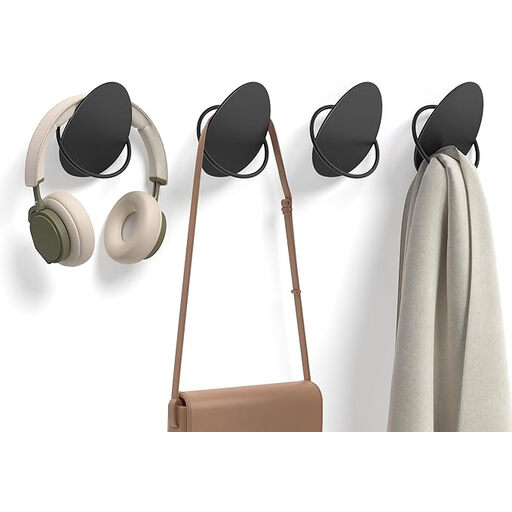
Why This Fits Their Persona: Ideal for anyone looking for a flexible and cost-effective solution. The four individual hooks can be placed freely on the wall—perfect for small hallways, a bathroom, or the back of a door.
The powder-coated steel material is robust and rust-resistant, sidestepping the trap of cheap, bendable metals. The rounded edges protect clothing from damage.
Flexible arrangement of four hooks; steel construction with a stated load capacity of 5 kg per hook; modern, egg-shaped design.
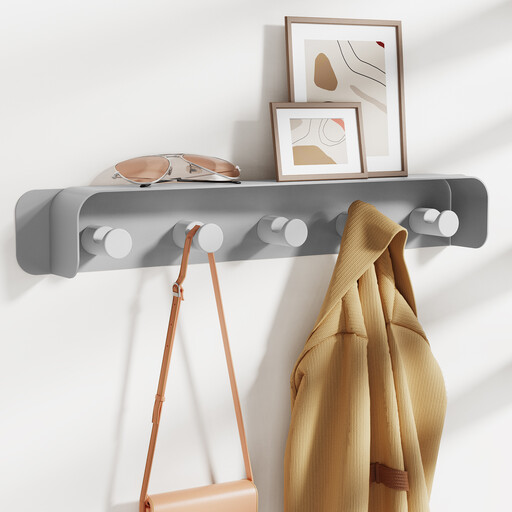
Why This Fits Their Persona: For users who value high-quality materials and an excellent design aesthetic. The combination of aluminium and a practical shelf is both functional and visually appealing.
The heavy-duty aluminium construction and high stated load capacity of 25 kg counteract the pitfall of unstable designs. According to the manufacturer, the design won the German Design Award 2022.
High load capacity (up to 25 kg); made of waterproof and rust-resistant aluminium; integrated shelf for extra storage; grooved hook design prevents items from slipping.
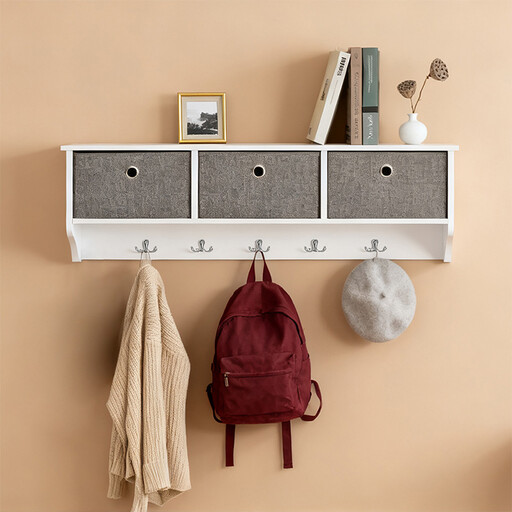
Why This Fits Their Persona: A complete entryway solution that offers ample storage for families or shared living spaces. The combination of hooks, a shelf, and baskets helps keep jackets, scarves, shoes, and small items organised.
With a stated total load capacity of up to 50 kg, this model is built for heavy demands and avoids the problem of instability. Its multifunctional design is well-thought-out and practical for daily use.
Very high load capacity (up to 50 kg); multifunctional with 5 hooks, 3 foldable boxes, and a top shelf; made from FSC-certified MDF (E1).
We have compiled a complete, up-to-date list of products that fully meet these strict selection criteria and comply with current safety regulations.
The most secure method is to mount it directly into wall studs (for drywall) or solid masonry. Always use wall plugs and screws appropriate for your wall type. Many products include a standard mounting kit, but for plasterboard walls, special hollow-wall anchors are often a better choice to ensure high load capacity. Carefully review the manufacturer's installation instructions.
A common mounting height for hooks is between 1.60 m and 1.70 m from the floor. This allows most adults to reach them comfortably while ensuring long coats don't touch the ground. In households with children, a second, lower-mounted wall hook rail (around 1.10 m to 1.20 m high) can be a great idea, allowing little ones to hang up their own jackets.
The load capacity varies greatly depending on the material, construction, and, most importantly, the wall mounting. Simple hooks can often hold 2-5 kg, while sturdy hook rails or panels securely anchored to the wall at multiple points can support a total load of 20 kg, 30 kg, or more. Always adhere to the manufacturer's specific rating and do not exceed it.