Water-based cocoa when space is limited
If you mix cocoa with hot water in your mug, look for a compact kettle and check how much space it takes up with its base.


If you mix cocoa with hot water in your mug, a compact kettle could be a good choice – provided its minimum fill level suits your portion. If you want to heat milk and cocoa together in the appliance, choose one whose manufacturer explicitly says it is suitable for this use. Remember to factor in cleaning the parts that come into contact with milk, as well as the space it will take up.
If you mix cocoa with hot water in your mug, look for a compact kettle and check how much space it takes up with its base.
If you want to heat milk and cocoa together, you’ll need an appliance whose manufacturer explicitly says it is suitable for this preparation method.
If you usually make one serving at a time, look for easy-to-read fill markings, suitable fill limits and parts that are easy to clean.
The first thing to consider when choosing between a kettle and a milk frother is whether you want to heat water or milk directly in the appliance.
| What matters to you | What to check when buying | Who it matters most to |
|---|---|---|
| Space and capacity | Check the combined dimensions of the kettle and base. Severin lists a capacity of 0,5 l for the WK 3472; the space it takes up also depends on the base. | If I have limited worktop space, I want to fit the kettle and its base together. Around 36 % of consumers put available space at the top of their list. |
| Water-based or milk-based cocoa | For milk-based cocoa, check whether the manufacturer explicitly says you can heat milk and cocoa in the appliance. | If I want to heat milk and cocoa together, I need an appliance designed for exactly that purpose. Around 29 % of consumers prioritise making hot chocolate directly in the appliance. |
| Fill level for one cup | Compare the amount you need for your cup with the minimum and maximum fill levels for the specific model; Severin advises users to observe both limits. | When I’m making one cup, I don’t want to have to heat more water than the appliance requires. Around 21 % of consumers prioritise a fill level that works for a single cup. |
| Ease of use and cleaning | Check the automatic shut-off, opening, removable parts and the manufacturer’s cleaning instructions. For milk-based drinks, also consider the parts that come into contact with milk. | If I use the appliance regularly to make one serving, I want it to be straightforward to use and clean afterwards. Around 14 % of consumers prioritise ease of use and care. |
The stated capacity doesn’t automatically tell you how little water you can add. When making a single serving, the minimum fill mark for the specific model is what matters.
Compare the minimum fill level with the amount you need for your cup before choosing a model.
If the minimum fill level is higher than the amount you need, you may have to heat more water than you need for your cup.
Severin’s instructions for the WK 3410 kettle specify fresh, clear water only. This doesn’t mean that using other models in the same way is approved.
First decide whether you’ll mix cocoa into water in your mug or heat milk and cocoa in the appliance. Then check the instructions for the specific model.
The base needs space too. A compact kettle on its own won’t tell you whether the whole appliance will fit in the space you have in mind.
Check the space needed for both the kettle and its base.
The WK 3472 and WK 3458 are mini kettles, each with a capacity of 0,5 l.
The Mini BI8125 is a kettle with a capacity of 0,8 l.
According to WMF, the WMF KÜCHENminis kettle has a capacity of 0,8 l and an internal water-level indicator.
CASO describes the Crema & Choco Inox as an appliance for heating milk and cocoa directly in the appliance.
The Reiseblitzkocher Edelstahl 18575 is a kettle with a capacity of 0,5 l.
The models below cover two ways to make cocoa: heat milk for hot chocolate directly in the appliance, or heat water to mix with cocoa in your cup. Mains-powered appliances covered by the EU Low Voltage Directive (50 to 1.000 V AC) must meet the relevant safety and conformity requirements, including CE marking; EUR-Lex describes this voltage range. Check the marking on the specific product listing. Your Europe points out that no central EU body issues CE approval or a certificate.
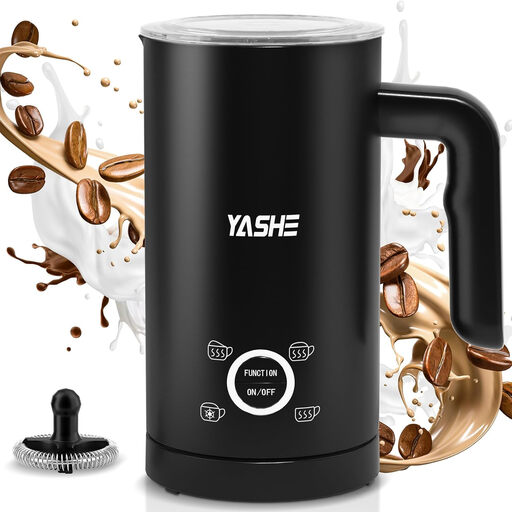 No image available
For hot chocolate made with milk directly in the appliance; the product name mentions hot chocolate and 300 ml.
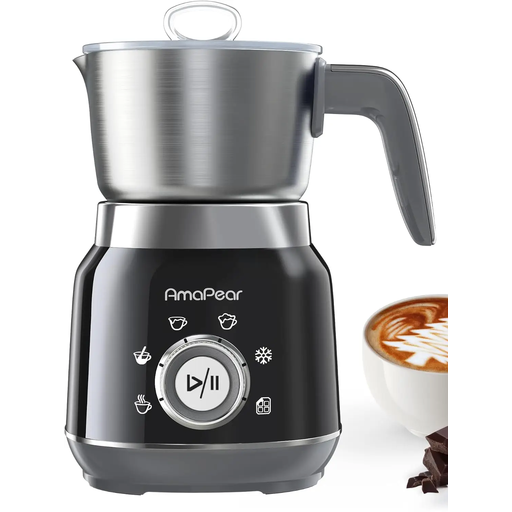 No image available
The product name lists a dedicated programme for hot chocolate made with milk.
The product details list a 1 l capacity, 6 programmes and 630 W. A minimum fill volume of 100 ml is specified for mixing.
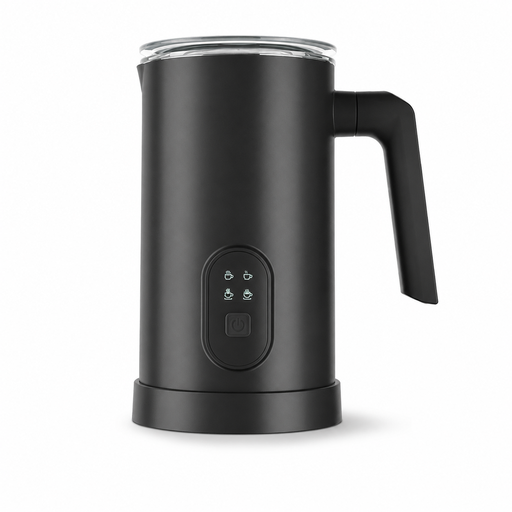 No image available
The product description lists hot chocolate as one way to use it with milk.
The product details state that it can heat up to 350 ml; the product name lists 4-in-1 and 400 W.
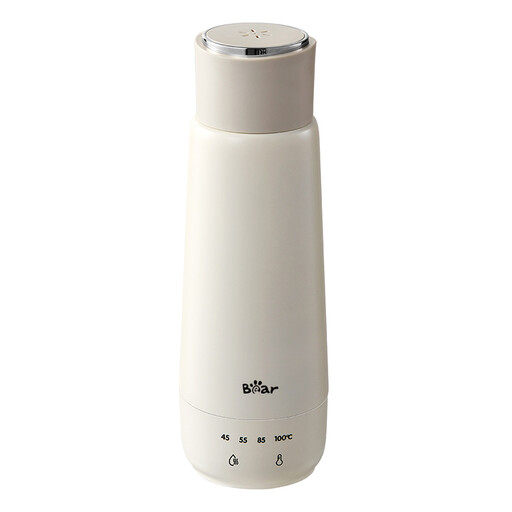 No image available
For cocoa made with hot water, which you can then mix in your cup.
The product details list a capacity of 300 ml and four temperature settings from 45 to 100 °C.
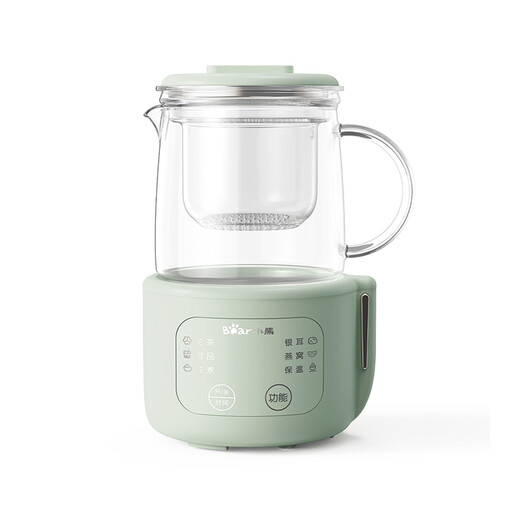 No image available
For cocoa made with hot water in your cup; this model is described as a mini kettle for one cup.
The product details list a capacity of 0,4 l, touch controls, a glass filter and a keep-warm mode.
Only if the manufacturer explicitly approves this use for that specific model. Severin’s instructions for the WK 3410 specify fresh, clear water; CASO explicitly lists hot milk and cocoa as suitable uses for the Crema & Choco Inox.
Compare the amount you need for your cup with the minimum and maximum fill levels for the specific appliance. A capacity of 0,5 or 0,8 l doesn’t tell you how little water you can add; Severin advises users to observe the fill limits.
Allow space for both the kettle and its base, and follow the manufacturer’s filling and operating instructions. For hot chocolate made with milk, clean any parts that come into contact with milk in line with the relevant instructions.
Electrical equipment covered by the EU Low Voltage Directive, including appliances with a rated voltage of 50 to 1.000 V AC, must meet the relevant requirements, including CE marking. EUR-Lex describes the scope of the directive; Your Europe explains that no central EU body issues CE approval or a certificate. Check the marking on the specific product listing.
No. The Verbraucherzentrale distinguishes between statutory rights, which you can exercise against the seller if a product is faulty, and a voluntary guarantee with its own terms and conditions (as at 28 September 2026).