
Lieferung heute & morgen

Qualitätsgarantie

Willkommens-Angebote freischalten: KOSTENLOSE Lieferung | Bis zu 80 % RABATT | Kostenlose 30-Tage-JoyPlus-Testphase
App herunterladen
Cocoa powder is not all the same. When you're shopping online for a product for the family, for baking, or for a quick cup of drinking chocolate, you shouldn't just look at the brand name and packaging design. What really matters includes cocoa content, sugar level, preparation method, allergens and pack size.
With cocoa mixes for drinks, sugar is often the first ingredient on the list. A product can taste chocolatey even though the proportion of fat-reduced cocoa is relatively low. Checking the ingredients list and the percentage of cocoa stated helps you assess marketing claims objectively.
Baking cocoa usually consists mostly or entirely of cocoa powder and contains little sugar. It is suitable for cakes, desserts and homemade drinks. Instant cocoa or drinking cocoa, on the other hand, often contains sugar, glucose or other ingredients and is designed for quick preparation with milk.
A small single-portion carton is handy for occasional cups or on the go. For a household with several cocoa drinkers, a 350 g or 400 g refill bag can be more economical. With large packs, make sure you close the seal carefully after each use so the powder stays dry and doesn't clump.
For a cocoa powder for drinking, it is worth checking the cocoa content. Examples from the selection:
The percentages are not the only factor determining taste, but they make it easier to compare a sweet cocoa mix with pure baking cocoa.
For cold preparation, the powder should dissolve well in milk or a plant-based alternative. A handy trick works for many products: first stir the powder with a little liquid into a smooth paste, then add the rest.
For hot cocoa, use the liquid according to the instructions on the pack. With portion sachets like Nestlé Chococino, for example, hot (not boiling) water is recommended. Products such as Kaba, Suchard Express and Nesquik can be prepared with cold or warm milk according to their instructions.
The mandatory ingredients and allergen labelling according to EU Food Information Regulation (EU) No. 1169/2011 should be checked before purchase. Relevant examples include:
For children too, the sugar content per portion should be considered. A sweet chocolate drink is not a substitute for a balanced meal. The information on the packaging supplied is what counts.
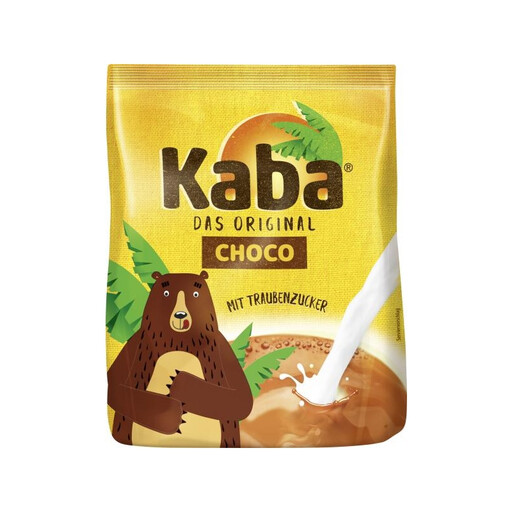
Why this product fits the profile: The 400 g refill bag is designed for regular drinking cocoa portions in the household. According to the product information, the powder can be mixed with cold or hot milk.
The cocoa content of 18 % and the portion information of 20 g make comparison with other cocoa mixes clearer.
400 g pack, can be used with warm or cold milk, also suitable for baking and desserts according to the description.
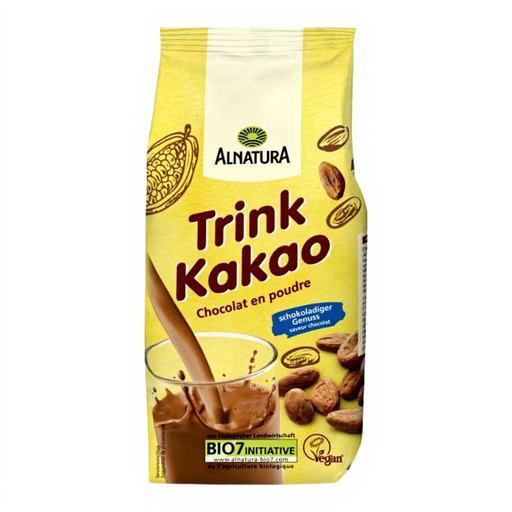
Why this product fits the profile: The product information states an organic certification according to DE-ÖKO-001 and a cocoa content of at least 38 %. This appeals to shoppers who pay attention to origin and certification details.
The certification information and the separate listing of raw cane sugar and cocoa make it easier to verify compared to vague organic marketing claims.
Organic certified, suitable for cold and warm liquids, also vegan and lactose-free according to the product information.
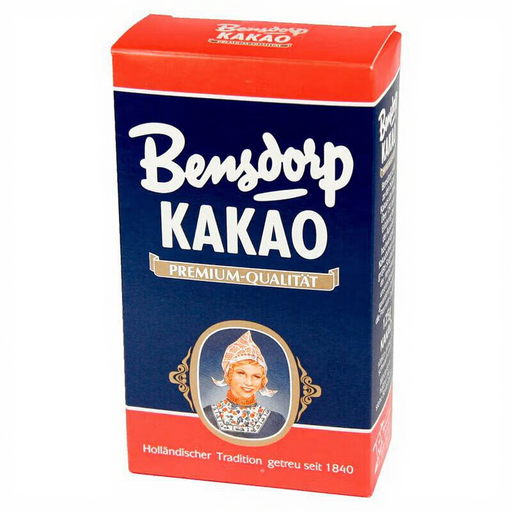
Why this product fits the profile: For baking enthusiasts and users who want to sweeten their own drinking cocoa, the product consists of 100 % cocoa powder according to the ingredients list.
This is not a pre-sweetened cocoa mix. This means you can control the sweetness yourself when baking or drinking.
100 % cocoa powder according to the ingredients list, suitable for baking, cooking and homemade drinking chocolate.
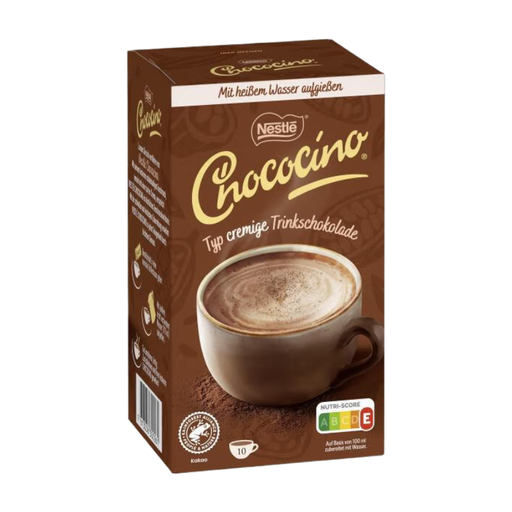
Why this product fits the profile: Ten individually portioned sachets of 22 g each are suitable for offices, travel or households where a large pack isn't opened every day.
The portion size is clearly defined. This reduces estimation errors during preparation and avoids a refill bag being left open for a long time.
220 g total weight, ten portions, preparation according to the instructions with 110 ml of hot, not boiling, water.
We have put together a complete, regularly updated list of products that fully meet these strict selection criteria and the safety regulations in force in the EU.
That depends on the product. Drinking cocoa and many instant cocoa mixes are intended for warm and cold milk. Baking cocoa usually dissolves less well in cold liquid and should first be stirred into a smooth paste with a small amount of milk or water.
The specific best-before date is on the packaging. Opened bags should be stored in a dry, cool place away from heat. An airtight container can help with refill bags to reduce moisture and clumping.
Baking cocoa usually contains no or very little sugar and is used for cakes, creams and desserts. Drinking cocoa is already sweetened and, depending on the product, contains other ingredients such as glucose, milk powder, flavourings or emulsifiers. For the right choice, you should consider the ingredients list, cocoa content and preparation instructions together.