
Lieferung heute & morgen

Qualitätsgarantie

Willkommens-Angebote freischalten: KOSTENLOSE Lieferung | Bis zu 80 % RABATT | Kostenlose 30-Tage-JoyPlus-Testphase
App herunterladen
The selection of coconut milk on the supermarket shelf can be overwhelming. From full-fat to low-fat, with or without additives—making the right decision is key to perfecting your dish. Whether you're preparing an authentic Thai curry, cooking a creamy vegan soup, or looking for a lactose-free alternative for your coffee, the right coconut milk makes all the difference.
This guide will help you understand the different types of coconut milk and make an informed choice that's perfectly tailored to your recipe. We'll introduce you to various products and explain what to look for when buying coconut milk.
To find the right coconut milk for your kitchen, two criteria are particularly important: the fat content and the ingredients list.
The fat content is the main factor determining the creaminess and flavour of the coconut milk. A different type is suitable depending on the intended use:
The ingredients list reveals the purity of the product. Fundamentally, coconut milk consists of only coconut extract and water. However, many products contain additives that serve specific functions:
The classic can of coconut milk is the most common form of packaging and reliably preserves the flavour.
Here is a selection of coconut milk products suitable for a variety of culinary projects.
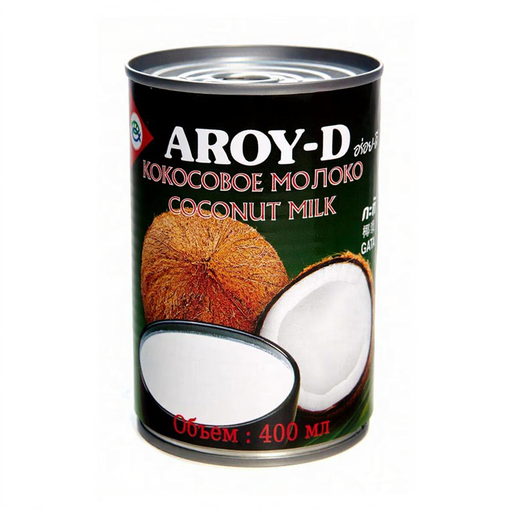
Why It Stands Out: This coconut milk from Aroy-D stands out for its pure composition. With a high coconut extract content of 70% and no added thickeners, it offers an authentic taste that is prized in Thai cuisine.
View Product: Aroy-D Coconut Milk 19% Fat
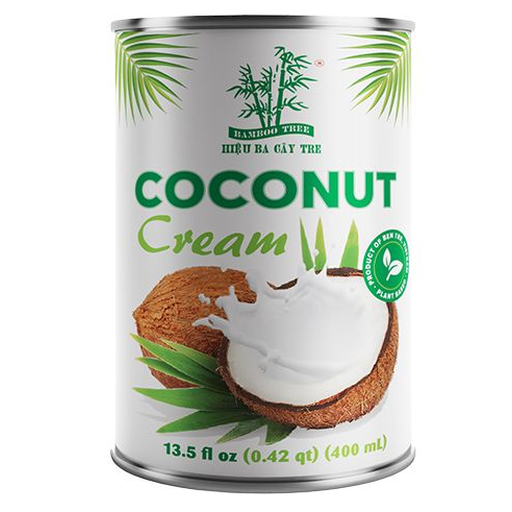
Why It Stands Out: With a fat content of 20–22%, this product is a true coconut cream. The high coconut extract content (88%) from the Vietnamese region of Ben Tre provides an exceptionally velvety and dense texture.
View Product: Bamboo Tree Coconut Cream 20-22% Fat
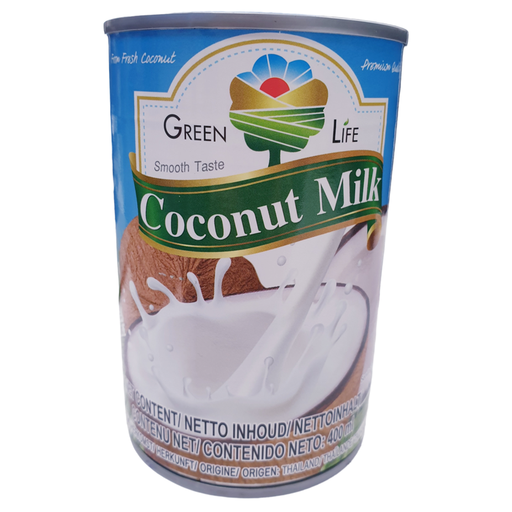
Why It Stands Out: This low-fat coconut milk from GreenLife is the lighter alternative for everyday use. With only 5–7% fat, it offers a subtle coconut flavour without weighing the dish down.
View Product: GreenLife Canned Coconut Milk (5-7%)
Our range includes a wide variety of coconut milk products to suit every need. If you'd like to compare more options, you can find a larger selection here.
? Discover more 400ml coconut milk options in our range
1. Can you use coconut milk as a cream substitute? Yes, coconut milk is an excellent vegan cream alternative. Full-fat coconut milk (approx. 15–19% fat) works well for cooking and in sauces, as it offers a creaminess similar to dairy cream. Low-fat versions are a lighter option for coffee or muesli. For whipping, the solid, chilled part of a full-fat can of coconut milk works best.
2. What is the difference between coconut milk and coconut cream? The main difference lies in the fat content and consistency. Coconut cream has a higher fat content (typically over 20%) and a lower water content, making it thicker and richer. Coconut milk has a lower fat content (usually between 5% and 19%) and is more liquid.
3. Why has the coconut milk in my can turned solid? This is a natural process and a sign that the product contains few or no stabilisers. Coconut fat solidifies at cool temperatures (below approx. 20°C / 68°F). To make the coconut milk liquid and smooth again, you can place the sealed can in a warm water bath for 5–10 minutes and then shake it well, or gently heat and stir the contents in a pot over low heat.